




The Powerhouse: Understanding Protein
Think of protein as the structural engineer of your body. It's essential for building and repairing tissues, from your muscles after a workout to your skin and hair. But its benefits extend far beyond that. When it comes to managing your diet, protein is a superstar
of satiety. It’s the most filling of the three macronutrients (the others being fats and carbs), meaning a protein-rich meal helps you feel full and satisfied for longer. This effect can be a game-changer for anyone trying to curb mindless snacking or manage their weight. Protein also has a higher thermic effect of food (TEF), which means your body uses more energy to digest it compared to fats and carbohydrates. This subtle metabolic boost, combined with its ability to preserve lean muscle mass during weight loss, makes protein a foundational element of any sustainable eating plan.
The Regulator: Embracing Fibre
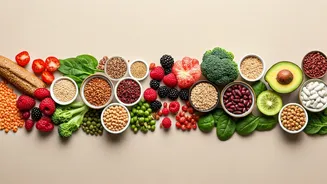
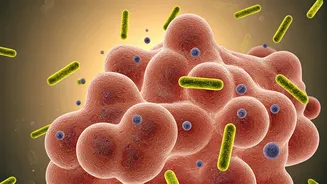
If protein is the engineer, fiber is the master regulator. This indigestible carbohydrate, found in plants like fruits, vegetables, whole grains, and legumes, plays a crucial role in digestive health and beyond. There are two main types: soluble and insoluble. Insoluble fiber adds bulk to your stool, promoting regularity and preventing constipation. Soluble fiber, on the other hand, dissolves in water to form a gel-like substance in your gut. This gel slows down digestion, which has a powerful stabilizing effect on your blood sugar. By preventing the sharp spikes and subsequent crashes in glucose that can leave you feeling tired and craving sugar, soluble fiber provides steady, reliable energy. It’s also the preferred food for the beneficial bacteria in your gut, supporting a healthy microbiome that is linked to everything from immunity to mood.
Better Together: The Synergy Effect
This is where the magic happens. While protein and fiber are impressive on their own, they are exponentially more effective when consumed together. Their complementary mechanisms create a powerful synergy that targets fullness and energy from multiple angles. The protein provides immediate and lasting satiety, while the soluble fiber slows the entire digestive process down. This means the stomach empties more slowly, keeping you feeling physically full. At the same time, this slow-down process ensures the energy from your meal is released gradually into your bloodstream. The result? You avoid the dreaded post-meal energy slump and the powerful cravings that often follow. This dynamic duo works in concert to keep you feeling satisfied, energized, and in control, making it far easier to make healthier choices throughout the day without feeling deprived or hungry.
Putting the Duo into Practice
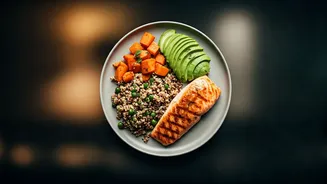
Incorporating this power couple into your diet doesn't require a special meal plan or exotic ingredients. It’s about smart and simple pairings. Think in terms of a protein source plus a plant-based fiber source at every meal and snack. For breakfast, try Greek yogurt (protein) topped with berries and a sprinkle of chia seeds (fiber). For lunch, a salad with grilled chicken (protein) and loaded with chickpeas, leafy greens, and other veggies (fiber) is a perfect choice. A hearty lentil soup (protein and fiber in one) is another fantastic option. For dinner, consider a piece of salmon (protein) served with a side of quinoa and roasted broccoli (fiber). Even snacks can be optimized: an apple (fiber) with a side of peanut butter (protein), or a handful of almonds (protein) with some baby carrots (fiber). By consciously pairing these two nutrients, you build meals that work harder for you.