
Moving Beyond the Buffet Line
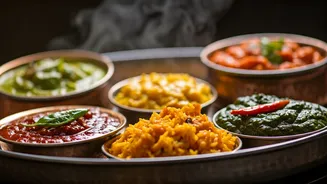
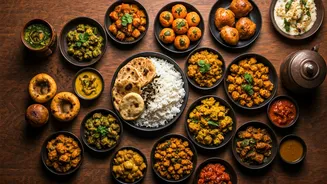
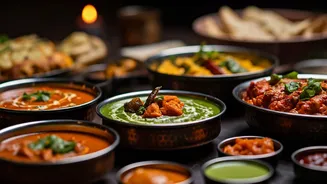
Let’s be honest: for many Americans, the term “Indian food” has long conjured a very specific, and limited, image. It was the all-you-can-eat lunch buffet, heavy with chicken tikka masala, saag paneer, and mountains of basmati rice. While delicious, this
representation was a flattening of one of the world’s most diverse and complex culinary traditions. It was a version of Indian food designed for mass appeal, often sacrificing regional specificity and nuance for creamy, mild familiarity. This wasn’t malicious; it was the classic immigrant playbook. Early restaurateurs did what they had to do to survive, adapting their native cuisine to unfamiliar American palates. They created a safe, predictable experience. But in doing so, the vibrant, explosive, and hyper-regional character of Indian food—a tapestry woven from thousands of distinct culinary dialects—was largely left behind. The story was missing.
The Trojan Horse of Chaat
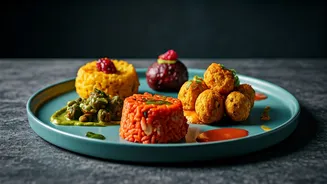
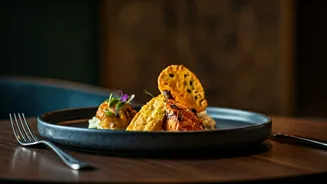
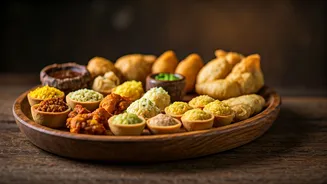
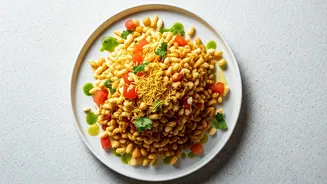
Enter the snack. Chaat, samosas, vada pav, pakoras—these aren't just appetizers; they are the pulsating heart of daily life across India. They’re the after-school treat, the roadside gossip fuel, the quick bite that punctuates the day with a riot of flavor: sweet, sour, spicy, crunchy, and savory all at once. And now, they are the Trojan horse for a more authentic kind of Indian food in America. Unlike a complex, multi-dish curry dinner, a snack is a low-commitment entry point. It’s a single, perfect bite that can convey a world of history and technique without overwhelming the uninitiated. For chefs and food entrepreneurs, particularly second-generation Indian Americans, snacks have become the perfect vehicle for storytelling. Each one is a portable piece of personal history, a direct link to a grandmother’s kitchen, a favorite street vendor in Mumbai, or a festive celebration.
Storytelling as the Main Ingredient
This new movement isn’t just about introducing new dishes; it’s about wrapping them in narrative. Take the work of restaurateurs like Roni Mazumdar and chef Chintan Pandya of Unapologetic Foods in New York. At their restaurants like Dhamaka and Semma, the menu isn't just a list of foods; it's a culinary map of India. They serve dishes that were previously unknown in the U.S., each with a specific origin story tied to a remote village or a particular home cook. They proudly declare their food “unapologetically” Indian, refusing to tone down spices or change recipes for a perceived American palate. Similarly, food writers like Priya Krishna, in her bestselling book *Indian-ish*, use family recipes as a framework to explore identity, assimilation, and the creation of a unique Indian-American culture. The story of her mom making dahi toast isn't just a recipe; it's a testament to immigrant ingenuity and the blending of two worlds. The food becomes a vessel for a much larger, more personal story.
A New Generation Finds Its Roots
This trend is deeply connected to the coming-of-age of second-generation Indian Americans. For many, growing up involved a delicate dance—loving the food at home but feeling embarrassed by the smell of spices clinging to their clothes at school. They navigated the space between their family’s heritage and the pressure to assimilate into mainstream American culture. Now, that generation is grown, confident, and eager to claim ownership of their narrative. They are no longer asking for a seat at the table; they are building their own table and setting it with the foods of their childhood, served with a side of pride. By sharing the stories behind the snacks, they are not just educating diners; they are validating their own experiences and creating a sense of rootedness. They are saying, “This is us. This is our story. And it’s delicious.”