

The Economics of Less
Let’s start with the obvious: city living is expensive, and it’s not getting any cheaper. For many Millennials and Gen Zers, the math on a traditional single-family home in a desirable urban area simply doesn’t work. Decades of stagnant wage growth combined
with skyrocketing property values and recent interest rate hikes have pushed the old model of homeownership out of reach for millions. But rather than abandoning cities, a generation is adapting by redefining what a home needs to be. This isn't just about settling for less; it's about spending smarter. A smaller mortgage or lower rent frees up significant income. That money is being redirected from property maintenance and property taxes toward experiences: travel, dining out, hobbies, and cultural events. The space-saving home isn't a sign of defeat; it’s a strategic trade-off. It’s a financial calculation that prioritizes a rich life over a large living room, funding a lifestyle that a 30-year mortgage on a sprawling property would otherwise prohibit.
Small Footprints, Genius Design
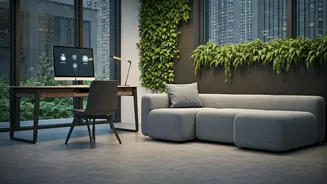
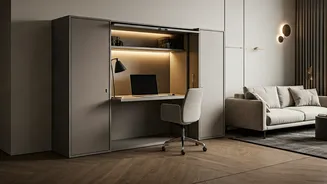
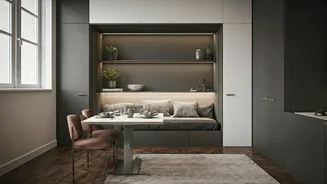
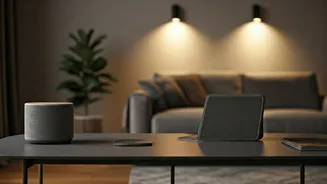
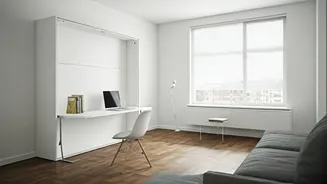
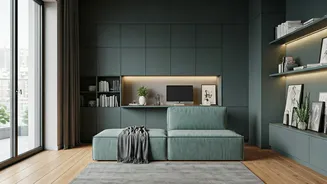
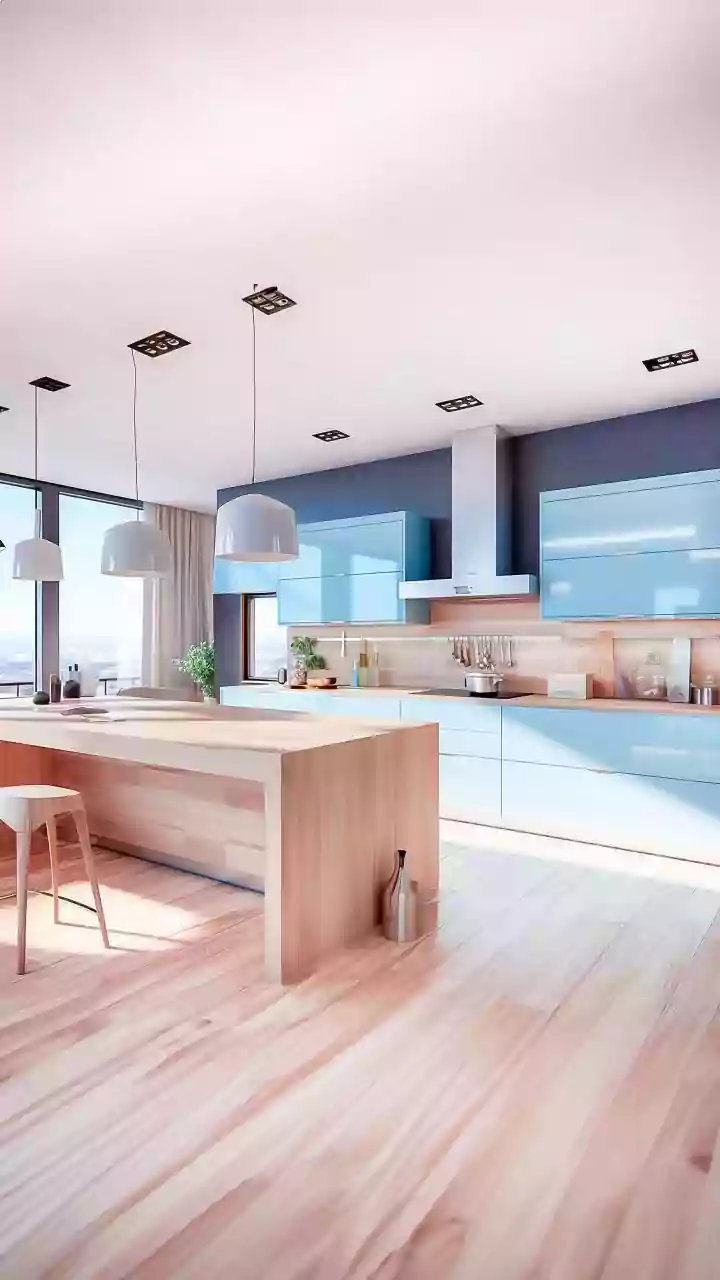
A small space no longer means a cramped or compromised one. A wave of innovation in architecture and interior design has transformed micro-living from a novelty into an art form. We’re not talking about sad studio apartments with a hot plate in the corner. We’re talking about intelligently designed micro-units, Accessory Dwelling Units (ADUs), and modular homes that feel spacious, functional, and even luxurious. Think Murphy beds that seamlessly transform a bedroom into a living room, staircases with built-in storage drawers, and modular furniture that can be reconfigured for working, dining, or hosting. Vertical space is maximized with floor-to-ceiling shelving, and large windows or glass partitions create an illusion of openness. Technology also plays a huge role, with smart home features allowing residents to control lighting, climate, and security from their phones, adding a layer of convenience and modernity that makes the size of the space feel secondary.
More Life, Less House
Underpinning this entire movement is a profound cultural shift. The 'hustle culture' of the 2010s is giving way to a desire for a more balanced, intentional, and flexible life. The burden of maintaining a large home—the endless yard work, the weekend cleaning marathons, the constant repairs—is being viewed less as a symbol of success and more as a drain on time and energy. A smaller home is, quite simply, a freer life. This mindset is deeply connected to the rise of remote and hybrid work. When you aren't tied to a specific office five days a week, the entire world opens up. A smaller, more manageable home base makes it easier to lock up and leave for a month, work from a different city, or simply spend more time out in the world. The home is becoming a launchpad for life, not the container for it. This new 'urban mood' values mobility and experiences over stationary accumulation of stuff.
The City Becomes Your Living Room
The success of the space-saving home is entirely dependent on its environment. This trend thrives in vibrant, walkable neighborhoods where the city itself acts as an extension of one's private space. Your local coffee shop becomes your morning office. The nearby park is your backyard. The neighborhood library is your study, and the restaurant down the street is your dining room. This model fosters a stronger sense of community. When people aren't isolated in large, private compounds, they are more likely to engage with their neighbors and local businesses. This reliance on 'third places'—communal spaces outside of home and work—is what makes dense urban living so dynamic. The trade-off for a smaller private dwelling is a richer, more expansive public life. It’s a shift from investing in private square footage to investing in a shared, vibrant community.