





The End of Grind Culture
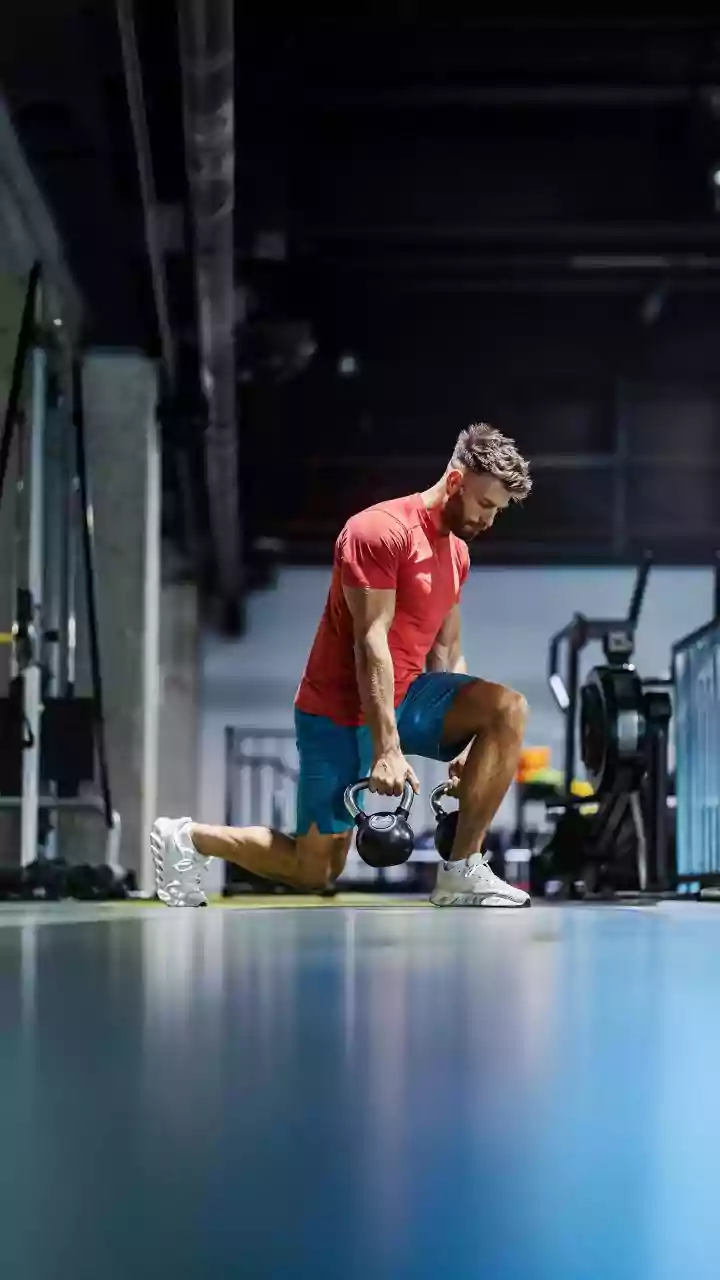
Remember the fitness landscape of the 2010s? It was dominated by high-intensity interval training (HIIT), punishing CrossFit WODs (Workout of the Day), and the pervasive idea that if you weren't breathless and drenched in sweat, you weren't trying hard
enough. The goal was to crush your body into submission. While intensity has its place, a collective burnout has set in. People are realizing that a constant state of exhaustion isn't a badge of honor; it's a fast track to injury, hormonal imbalance, and mental fatigue. The new fitness philosophy understands a simple truth: you don't get stronger in the gym. You get stronger when you recover from the work you did in the gym. This shift reframes recovery not as a passive activity, but as an active, strategic component of a well-rounded fitness plan. It’s about longevity, not just short-term results.
How Rest Makes You Stronger
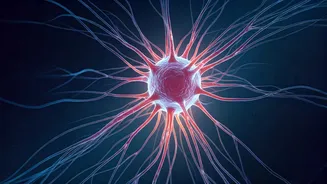
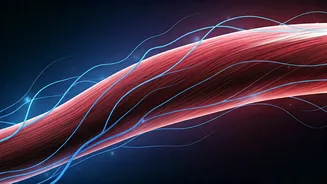
So what's actually happening when you're resting on the couch after a tough workout? It's not just about letting your sore muscles feel better. On a microscopic level, exercise creates tiny tears in your muscle fibers. The recovery process is when your body gets to work repairing these tears, building them back slightly stronger and more resilient than before. This is called muscle protein synthesis. But it goes deeper than that. Intense exercise also taxes your central nervous system. Proper recovery, especially quality sleep, allows your nervous system to downregulate and reset, preventing the feeling of being constantly 'wired' or 'fried.' It also helps balance key hormones like cortisol (the stress hormone) and testosterone, which are crucial for both building muscle and managing your overall health. Without adequate recovery, you're just breaking your body down without ever giving it the chance to build back up.
The Tech-Fueled Recovery Toolkit
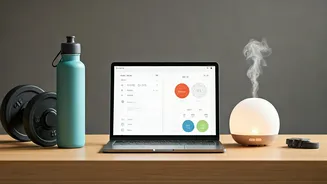
A huge driver of this trend is the explosion of consumer-facing recovery technology. We've moved far beyond the simple foam roller. Today, fitness enthusiasts are armed with an entire arsenal of gadgets designed to optimize rest. Wearables like the Whoop strap and Oura Ring have gamified recovery, providing daily 'readiness' scores based on sleep quality, heart rate variability, and respiratory rate. These devices tell you when to push hard and, more importantly, when to pull back. Then there are the physical tools. Percussive therapy devices, like the Theragun and Hypervolt, deliver deep-tissue massage on demand, helping to release muscle tightness and increase blood flow. Pneumatic compression boots, once reserved for elite athletes, are now common sights in gyms and homes, using compressed air to massage limbs and flush out metabolic waste. This tech has made pro-level recovery accessible, turning a once-abstract concept into a tangible, data-driven practice.
Don't Forget the Low-Tech Basics
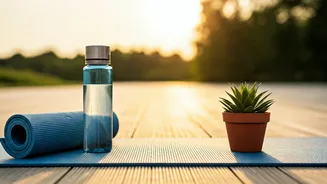
While the gadgets are flashy and effective, the foundation of good recovery remains decidedly low-tech—and often free. The single most powerful recovery tool you have is sleep. Aiming for 7-9 hours of quality, uninterrupted sleep per night is non-negotiable for anyone serious about their health. Proper nutrition and hydration are just as critical. Your muscles need protein to rebuild, carbohydrates to replenish energy stores, and water to facilitate virtually every cellular process. Finally, there's the concept of 'active recovery.' This doesn't mean another grueling workout. It means gentle movement on your rest days—like a long walk, a light swim, or a restorative yoga class. These activities increase blood circulation, helping to deliver nutrients to your muscles and clear out waste products without adding more stress to your system. Before investing in expensive tech, make sure you have these fundamental pillars locked down.