





Why Your Hibiscus Craves Potassium
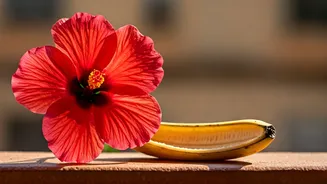
Hibiscus plants are known as “heavy feeders,” meaning they require a significant amount of nutrients to produce their famously large, vibrant flowers. One of the most critical nutrients for this process is potassium. Think of potassium as the engine for flowering.
It helps the plant move water and nutrients between cells, strengthens stems, and, most importantly, plays a vital role in developing buds and blooms. A potassium deficiency often results in weak growth, yellowing leaves, and a disappointing lack of flowers. This is where banana peels come in. They are a fantastic organic source of potassium. As the peel decomposes, it releases this essential element into the soil, making it available for your plant’s roots to absorb. While they also contain smaller amounts of other beneficial nutrients like phosphorus (for root health), magnesium, and calcium, it’s the powerful potassium punch that makes banana peels a go-to secret weapon for hibiscus lovers.
The Easiest Method: 'Banana Tea' Fertilizer
The simplest and cleanest way to deliver these nutrients to your container-grown hibiscus is by brewing a fertilizer “tea.” This method avoids attracting pests that might come sniffing around if you simply toss a peel on top of the soil, which is a major concern for balconies and patios. It’s a quick process that turns kitchen scraps into liquid gold for your flowers. All you’ll need is: - 1-2 fresh banana peels - A large glass jar with a lid (a 32-ounce Mason jar is perfect) - Water (preferably filtered or rainwater, but tap water left out overnight to dechlorinate works too) This method concentrates the water-soluble nutrients from the peel into an easy-to-use liquid, allowing for quick absorption by your plant’s root system without the mess or risk of mold associated with burying peel chunks in a small pot.
How to Brew and Use Your Fertilizer
Making your fertilizer is incredibly straightforward. First, chop the banana peels into small, one-inch pieces. This increases the surface area, allowing more nutrients to leach into the water. Place the chopped peels into your glass jar. Next, fill the jar with water, leaving about an inch of space at the top. Screw the lid on tightly and give the jar a good shake. Place it in a cool spot away from direct sunlight—a kitchen counter or pantry shelf is ideal. Let the mixture steep for 2 to 3 days. You’ll notice the water turning a pale, cloudy brown as the nutrients are released. After a few days, your banana tea is ready. To use it, strain the liquid into another container and discard the solid peels in your compost or trash. It's best to dilute this concentrate before feeding your plant. A good ratio is one part banana tea to four parts water. Before you fertilize, water your hibiscus with plain water first. This prevents the fertilizer from shocking the roots. Then, pour the diluted banana tea around the base of the plant until it runs out of the drainage holes.
Best Practices for a Blooming Balcony
While banana peel fertilizer is a fantastic boost, it’s not a complete meal. It’s high in potassium but lacks significant amounts of nitrogen, which is essential for healthy leaf and stem growth. Think of it as a supplemental bloom booster, not a replacement for a balanced fertilizer. For best results, continue to use a balanced, all-purpose liquid fertilizer every 4-6 weeks during the growing season (spring and summer), and use your DIY banana tea in between, about every 2-3 weeks. Always monitor your plant for pests. While the tea method is safer, be sure to clean up any spills and don’t leave the steeping jar open. Only fertilize your hibiscus when it is actively growing. During the dormant fall and winter months, the plant doesn't need the extra nutrients. Over-fertilizing can harm your plant by causing salt buildup in the soil, so stick to a consistent schedule rather than feeding it at every watering.