





The Maze of Monsoon Diets
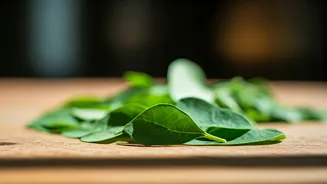
For many in South Asia, the monsoon season is a cherished time of relief from scorching heat. But in the modern wellness world, it’s also become a period governed by a complex set of dietary rules. You’ll see lists circulating online: avoid leafy greens
(they might carry more germs in the damp), steer clear of dairy (it could upset digestion), and be wary of certain fruits. The advice often stems from traditional Ayurvedic principles, which recognize that the damp, humid weather can weaken our digestive fire, or 'agni.' The goal is to eat light, warm, and easily digestible foods. However, when filtered through the lens of internet wellness culture, this ancient wisdom can become a source of anxiety. What started as gentle guidance has morphed into a rigid, often confusing list of 'good' and 'bad' foods, leaving many wondering if they’re doing the season wrong.
Enter Khichdi: The Simple Solution
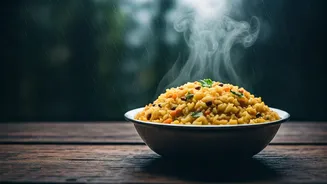
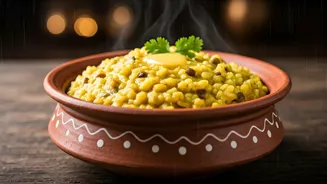
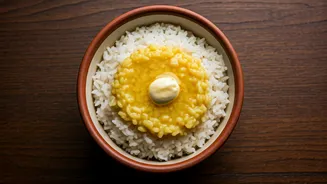
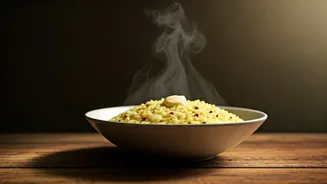
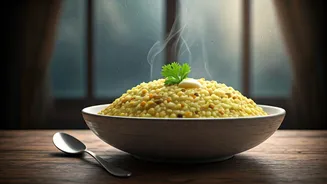
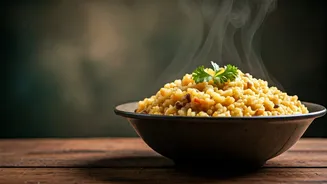
Amid this complexity, there is a dish that embodies the very essence of comfort, nourishment, and digestive ease: khichdi. For those unfamiliar, khichdi (pronounced KITCH-ree) is a humble, savory porridge made from rice and lentils, gently spiced and often finished with a dollop of ghee. In Indian households, it’s the culinary equivalent of a warm hug. It’s the first solid food for babies, the restorative meal for those recovering from illness, and the go-to dinner on a night when you crave simplicity. It’s the Indian answer to chicken noodle soup—a universally understood symbol of care and comfort. Its texture is soft, its warmth is immediate, and its flavor is profoundly satisfying without being overwhelming.
Ayurvedic Wisdom, Perfected
The reason khichdi is the perfect antidote to monsoon-related dietary stress is that it perfectly aligns with the core principles of Ayurvedic eating for the season, without any of the complicated rules. The combination of rice and lentils forms a complete protein, making it deeply nourishing. Both ingredients are famously easy to break down, giving your digestive system a much-needed break when it's naturally more sluggish. Spices traditionally used in khichdi, like turmeric, cumin, and ginger, aren't just for flavor; they are known in Ayurveda to aid digestion and reduce inflammation. Turmeric is a powerful antiseptic, while ginger is a classic remedy for digestive upset. It’s a meal that works with your body, not against it. Instead of memorizing a long list of foods to avoid, you can simply turn to this one perfect dish that ticks all the boxes.
More Than Just a Meal
The beauty of khichdi lies in its simplicity and versatility. It’s a true one-pot wonder, minimizing both cooking and cleaning time—a welcome reprieve on a lazy, rainy day. It's also endlessly customizable. You can add seasonal vegetables like carrots, peas, or squash to boost its nutritional content. You can adjust the spices to your liking, making it as mild or as flavorful as you wish. It’s also incredibly economical, relying on pantry staples that are accessible and affordable. This isn’t a diet that requires expensive, hard-to-find superfoods or a radical overhaul of your kitchen. It's a return to basics, proving that wholesome, satisfying food doesn't need to be complicated or costly.