



Understanding the Monsoon's Magic
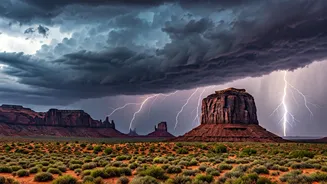
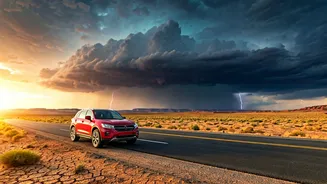
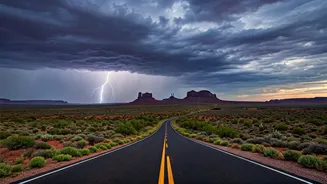
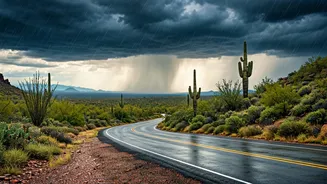
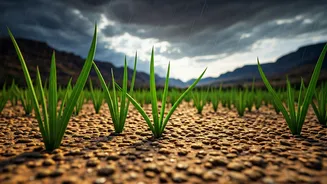
From roughly mid-June through September, the North American Monsoon flips a switch on the arid landscapes of Arizona, New Mexico, Utah, and Colorado. The prevailing winds shift, pulling moisture up from the Pacific Ocean and the Gulf of Mexico. This results
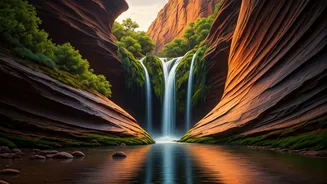
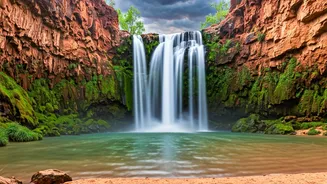
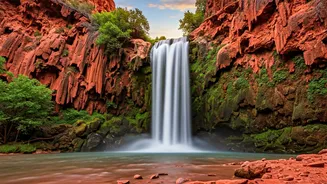
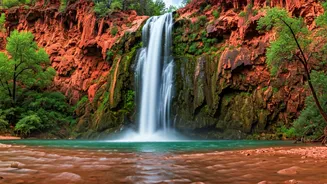
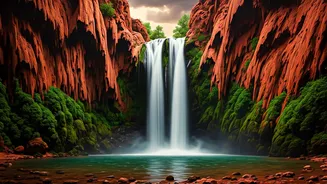
in dramatic, often localized afternoon thunderstorms that can dump inches of rain in minutes. For a region defined by its dryness, this seasonal deluge is a life-giving spectacle. Canyons that were bone-dry an hour before can suddenly roar to life with ephemeral waterfalls, transforming the scorched red rock and dusty earth into a temporary oasis of sound and motion. It's a fleeting, powerful display that reminds us of nature's capacity for sudden, breathtaking transformation.
Arizona's Transformed Canyons
Arizona is the heart of monsoon country, and its canyons provide the perfect stage for the show. While famous spots like Havasu Falls require highly competitive permits, many other areas offer a glimpse of the magic. Areas around Sedona, with its iconic red rock formations, see countless small cascades appear after a storm. The drive up Mount Lemmon outside of Tucson offers a chance to see waterfalls like Seven Falls flow with renewed vigor. The key is timing and caution. These shows are often short-lived, appearing in the hours after a heavy downpour. Local hiking groups and park ranger stations are your best source for real-time conditions, as a storm miles upstream can create a flash flood where you are, even under sunny skies.
New Mexico’s Mountain Cascades
In New Mexico, the “Land of Enchantment,” the monsoon’s effects are most profoundly felt in the state’s mountain ranges. The Jemez Mountains, west of Los Alamos, are a prime destination. After a good rain, Battleship Rock picnic area can feature a newly energized Jemez River, and the trails leading to destinations like Jemez Falls become lush and vibrant. Similarly, the streams and falls in the Sangre de Cristo Mountains near Santa Fe and Taos swell with the afternoon rains. These higher-elevation areas offer a cooler respite from the summer heat, and the combination of pine-scented air and the sound of rushing water is a sensory delight unique to this time of year.
Utah’s Red Rock Spectacle
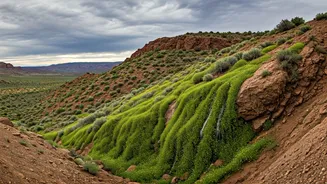
Southern Utah's geology is built for drama, and the monsoon season delivers. In Zion National Park, even a moderate shower can send dozens of temporary waterfalls cascading down the sheer sandstone cliffs of the main canyon—a phenomenon often called “the weeping rocks.” While The Narrows and other slot canyons are exceptionally dangerous and should be avoided during this season due to flash flood risk, many roadside pullouts and accessible trails provide safe vantage points to watch the spectacle unfold. The contrast of dark, slick rock, vibrant green vegetation, and silvery ribbons of water is a photographer’s dream and a powerful reminder of water’s sculpting force.
The Golden Rule: Safety First
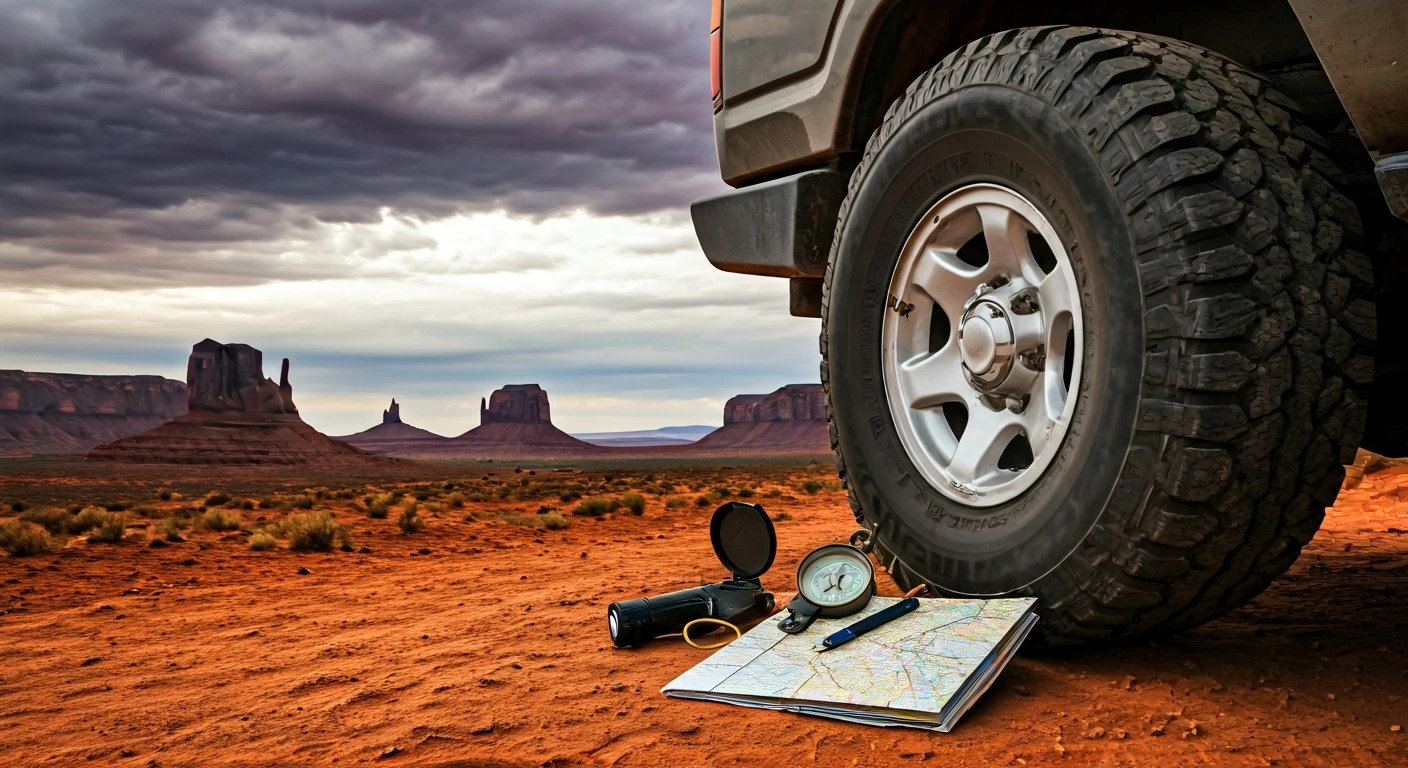
The same storms that create this beauty are also incredibly dangerous. Flash floods are the number one weather-related killer in the desert Southwest. Never enter a slot canyon or dry wash if there is any threat of rain in the forecast for the entire watershed, which can be dozens of miles upstream. Always check the latest forecast from the National Weather Service before you go. If you are hiking and the water begins to rise, turn muddy, or you hear a roaring sound upstream, abandon your gear and immediately climb to the highest possible ground. Have an escape route planned. Respect road closures and park alerts. The waterfalls will be there another day; the most important thing is ensuring you will be, too.