






The Parched Wait
For months, the Sahyadri mountain range—a fortress of volcanic rock known globally as the Western Ghats—endures the punishing heat of the Indian summer. In the state of Maharashtra, which stretches from the coast of Mumbai inland, these hillsides are
a study in ochre and gray. The earth cracks. Rivers shrink to trickles. The air is thick with a dry, waiting stillness. It’s a rugged, almost harsh beauty, a landscape stripped to its bones, holding its breath for a change it knows is coming. This is the canvas before the masterpiece, a time of dormancy when the region’s explosive potential lies hidden just beneath the sun-scorched surface.
An Answer from the Sky
Then, usually in June, the atmosphere shifts. The first sign is not the rain itself, but the wind—a cool, moisture-laden messenger arriving from the Arabian Sea. Dark, heavy clouds gather with a speed that feels both dramatic and deliberate. When the first drops finally fall, they hit the hot soil with a sizzle, releasing a scent known as petrichor: the iconic, earthy perfume of rain on dry ground. It’s a smell of relief, of promise. This isn’t a gentle shower; it’s the arrival of the Indian monsoon, a weather system so powerful it dictates the rhythm of life for millions. The first downpour is an overture, washing the dust from the leaves and rocks, and signaling the start of a profound transformation.
A World Washed in Green
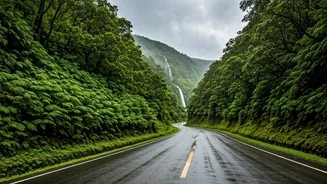
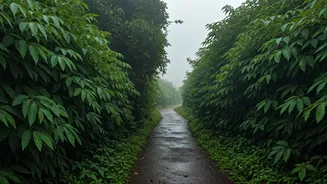
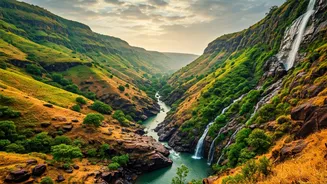
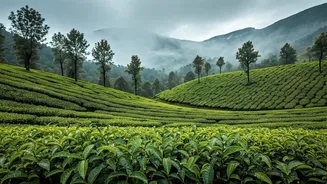
Within days, the magic begins. The brown hillsides erupt in an astonishing display of life. What was once barren rock and soil is suddenly blanketed in a carpet of vivid green. Mosses, ferns, and grasses, their seeds and spores lying in wait, spring to life with an almost violent urgency. The color is not a single, uniform shade but a complex palette of emerald, lime, and jade. Entire valleys, like those in popular getaway spots like Malshej Ghat or Lonavala, are cloaked in a soft, velvety texture. This is not just a visual change; the air itself feels different—cooler, cleaner, and humming with the buzz of insects and the calls of birds that have returned to feast and nest in this sudden Eden.
Rivers from the Cliffs
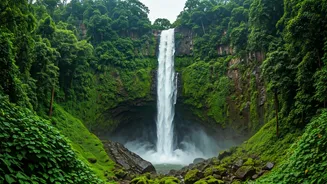
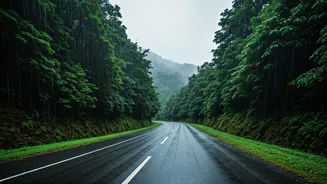
As the rains intensify, the second act of the transformation unfolds: the birth of countless waterfalls. The plateaus of the Western Ghats become saturated, and soon, water begins to pour over their edges, creating thousands of temporary cascades that didn’t exist a week earlier. Some are thin, silvery ribbons tracing paths down the rockface. Others are thunderous torrents, plunging hundreds of feet into the valleys below, their roar echoing for miles. The mist from these falls shrouds the roads and hillsides, creating a mystical, ethereal atmosphere. Driving through the ghats during monsoon season is an exercise in wonder, as every turn in the road reveals another spectacular waterfall, a river appearing from the sky only to vanish again when the season ends.
The Fleeting Spectacle
This breathtaking green haven is a fleeting wonder. The monsoon season lasts from roughly June to September. By October, the rains recede, and the landscape begins its slow retreat back to the dry dormancy of winter and spring. The waterfalls shrink and then disappear. The vibrant green fades to gold, and then to brown. This ephemerality is part of what makes the season so special. For local residents and city dwellers from nearby Mumbai and Pune, it’s a time for celebration and pilgrimage—a chance to witness nature’s power of renewal firsthand. It’s a reminder that even the most rugged and unyielding landscapes hold the capacity for spectacular rebirth, waiting only for the gift of water to reveal their hidden beauty.