




The Comfort of the Cookie-Cutter Hotel
There's an undeniable logic to booking a four-star hotel when the forecast calls for daily downpours. You get room service, a reliable Wi-Fi signal, and a lobby bar where you can watch the storm through a pane of glass, cocktail in hand. It’s a comfortable,
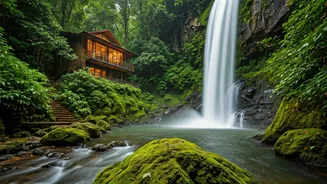
predictable, and sterile bubble. But in insulating you from the weather, it also insulates you from the place itself. The monsoon isn’t just an inconvenience to be avoided; it’s a core part of the destination’s rhythm and character. It’s when the dust settles, the landscape turns a vibrant, impossible green, and life slows to a more contemplative pace. Watching it from a standardized hotel room, you might as well be watching a travel show. You’re a spectator, not a participant.
An Immersion in Sights and Sounds
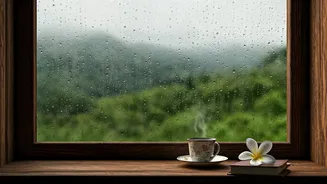
Now, picture this: you’re in a homestay. It could be a family’s ancestral home in Kerala, a wooden bungalow in Chiang Mai, or a rustic adobe casita near Santa Fe during the summer rains. The downpour starts, and you hear it not as a distant hum but as a living symphony on the tin roof above you. The air, thick with the smell of wet earth and blooming jasmine, drifts through an open window. Instead of the anonymous chill of air conditioning, you feel the cool, rain-washed breeze. Your host brings you a steaming cup of masala chai or a local herbal tea, brewed not from a teabag but from spices ground in their own kitchen. This isn't just shelter from the storm; it’s an invitation to experience it with all your senses. You are inside the scenery, feeling the pulse of the season.
Connection Replaces Isolation
When the rain confines you, a hotel can feel like a gilded cage. You’re surrounded by strangers, all quietly waiting for the sun to reappear. A homestay, by contrast, fosters connection. The 'inconvenience' of the weather becomes an opportunity. You might spend an afternoon learning a family recipe from your host, listening to stories about the village, or getting genuinely local tips on the best market to visit once the rain subsides. Your hosts aren’t concierges; they are residents who can tell you which waterfall is most spectacular after a heavy rain or where to find the best street food that only appears during this time of year. Instead of feeling trapped, you feel welcomed into a home, sharing a moment in time with people who live there. This human element transforms a rained-out day from a disappointment into a cherished memory.
The Taste of a Home-Cooked Meal
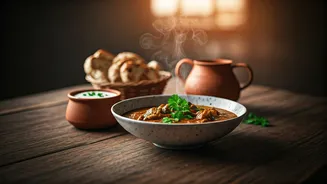
Let’s be honest: food is a huge part of travel, and nowhere is the gap between hotel and homestay wider than in the kitchen. Hotel food, even at its best, is often a performance—a standardized version of local cuisine designed for an international palate. A meal at a homestay is a story. It’s food cooked with local, seasonal ingredients, often from recipes passed down through generations. During the monsoon, when you may be less inclined to venture out for every meal, this becomes a central part of the experience. Imagine eating a fish curry made with the day’s catch from the river behind the house, or a simple, hearty stew of vegetables from the garden. It’s not just about sustenance; it’s a delicious, direct line into the heart of the culture.