

Understand the Risks of a Damp Dog
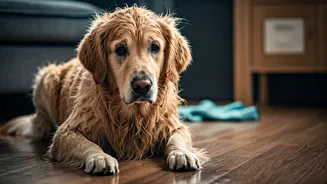
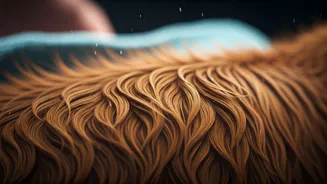
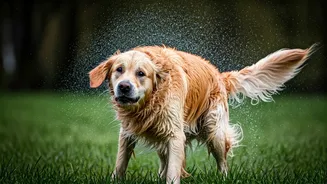
A wet dog isn’t just an inconvenience; it can be a health risk. Consistently damp fur, especially in dogs with thick double coats, creates a warm, moist environment that is a breeding ground for bacteria and yeast. This can lead to painful skin infections,
often called “hot spots” (acute moist dermatitis), or fungal issues that cause itchy, irritated, and foul-smelling skin. Furthermore, wet fur mats easily. As the fur clumps and dries, it can pull tightly against the skin, causing pain, restricting blood flow, and hiding parasites like fleas and ticks. Keeping your pet dry is as much about their comfort and health as it is about keeping your home clean.
Gear Up Before the First Downpour
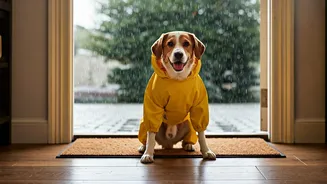
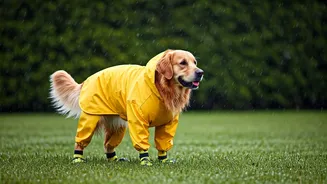
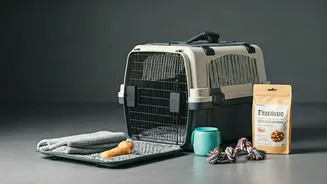
The best defense is a good offense. Investing in a few key items can make a world of difference. A waterproof dog jacket or raincoat is a game-changer, significantly reducing the amount of fur that gets soaked in the first place. Look for one that covers the chest and belly, which often get the brunt of splashes. For post-walk cleanup, super-absorbent microfiber towels designed for pets are far more effective than standard bath towels. And for the paws, a portable paw washer—a silicone-bristled cup you fill with a little water—can remove mud and grit before your dog even steps inside. Keeping these items by the door makes the routine seamless.
Establish a Designated Drying Zone
Don’t let a muddy dog have free rein of the house. Designate a single point of entry and turn it into a functional “drying zone.” This could be a mudroom, a laundry room, or just a small area inside your front or back door. Lay down an old, machine-washable rug or a specialized “mud mat” designed to trap dirt and water. Keep your towels, paw cleaner, and a container of treats in this spot. Training your dog to wait patiently in this zone for their post-walk wipe-down will become an invaluable habit for both of you, containing the mess to one manageable area.
Master the Art of the Towel-Dry
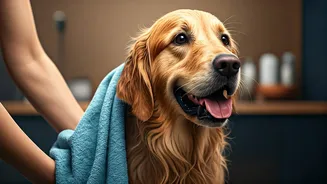
Frantically rubbing your dog with a towel can be counterproductive, creating more tangles and not effectively reaching the undercoat. Instead, use a blotting and squeezing motion. Start with the soggiest parts—usually the legs, belly, and tail. Lay the towel over a section of fur and press down firmly to soak up the moisture. For longer-haired dogs, gently squeeze sections of their coat within the towel. Work your way systematically from head to tail. Pay special attention to areas like the ears, armpits, and groin, where moisture can get trapped and cause irritation. For short-haired dogs, a vigorous but methodical rubdown might suffice, but for everyone else, patience and technique are key.
Consider a Pet-Safe Blow-Dryer
For dogs with very thick or long coats (like Golden Retrievers, Newfoundlands, or doodles), a towel-dry may not be enough to prevent skin issues. A blow-dryer can be your best friend, but only if used correctly. Human hair dryers are often too hot and can burn a dog's sensitive skin. Instead, use a dryer designed for pets or use your own on the lowest heat and speed setting. Keep the nozzle moving and several inches away from the skin. Make it a positive experience by introducing it slowly with plenty of treats and praise. A thorough blow-dry ensures the undercoat is completely dry, preventing matting and mildewy odors.
Brush Regularly to Prevent Matting
Once your dog is mostly dry, a good brushing is the final, crucial step. This helps separate the hairs, allowing air to circulate and complete the drying process. It also removes any loose dirt or debris the towel missed and, most importantly, prevents wet fur from tangling and forming mats. For long-haired breeds, a slicker brush or a metal comb (often called a 'greyhound comb') is essential for working through the coat and reaching the skin. Regular brushing during wet seasons maintains coat health and makes cleanup after the next rainy walk that much easier.