


Washington's Lavender Fields
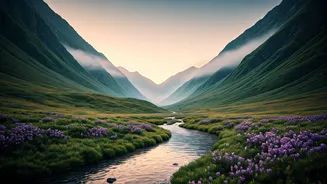
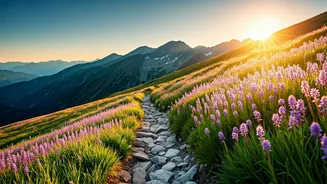
Imagine rolling hills of purple under a blue sky, with a gentle, cool breeze coming off the water. This isn't Provence—it's Washington State. The town of Sequim, nestled in the Olympic Peninsula's rain shadow, is the self-proclaimed “Lavender Capital
of North America.” Thanks to its unique microclimate, it gets a fraction of the rain Seattle is famous for, but it also escapes the brutal summer heat that plagues other parts of the country. The peak bloom and fragrance occur in July, culminating in a town-wide festival. You can wander through U-pick farms, sample lavender-infused treats, and enjoy daytime temperatures that often hover in the comfortable low 70s. It’s a sensory experience that feels a world away from humid, 95-degree afternoons elsewhere.
Colorado's Alpine Wildflowers
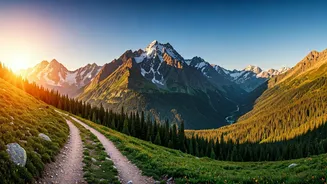
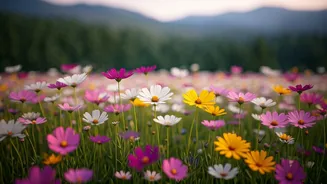
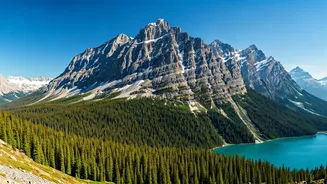
If you want to trade sweltering heat for breathtaking mountain vistas, head for the high country. Crested Butte, Colorado, proudly wears the title of “Wildflower Capital of Colorado,” and for good reason. Every July, its alpine meadows erupt in a riot of color, featuring everything from sunny sneezeweed to the iconic state flower, the Rocky Mountain Columbine. Because you’re at an elevation of nearly 9,000 feet, summer temperatures are mild and pleasant, perfect for hiking, biking, or simply sitting on a patio. The annual Wildflower Festival offers guided hikes and photography workshops, allowing you to fully immerse yourself in the landscape without breaking a sweat. It’s a perfect example of how gaining altitude can be the best strategy for beating the heat.
British Columbia's Grand Gardens
Just across the border, Vancouver Island offers a floral escape with an old-world feel. The main attraction is the world-renowned Butchart Gardens, a 55-acre wonderland of meticulously manicured landscapes. While it’s stunning year-round, the summer months bring the iconic Rose Garden into full, fragrant bloom, alongside dramatic displays in the Sunken Garden and Japanese Garden. The region's temperate coastal climate means that even in July and August, afternoons are typically breezy and comfortable. A short ferry ride from Vancouver or Seattle, Victoria, B.C., feels like a refreshing step into a different climate zone, where the top travel activity is strolling through flowers, not searching for air conditioning.
California's Cool Coast
While California's desert “superblooms” are famous, they often come with intense heat and unpredictable timing. For a more reliable and refreshing option, stick to the coast. The Mendocino Coast Botanical Gardens is a prime example, where fuchsias, dahlias, and heritage roses thrive in the cool, foggy summers. Further south, the San Francisco Botanical Garden in Golden Gate Park offers a similar respite, showcasing thousands of plant species that flourish in the city’s naturally air-conditioned climate. You can explore cloud forests and Mediterranean landscapes while the rest of the state bakes. These coastal havens prove you can enjoy California’s famous flora without enduring its infamous heat.
New England's Seaside Hydrangeas
There are few sights more quintessentially American summer than the charming towns of Cape Cod, Nantucket, and Martha's Vineyard blanketed in billows of blue, pink, and purple hydrangeas. Blooming from late June through August, these flowers perfectly complement the gray-shingled cottages and salty air. The key to this trip is the Atlantic Ocean, which acts as a natural thermostat, providing cool breezes that keep the islands significantly more pleasant than the inland mainland. You can spend your days cycling past stunning floral displays, exploring quaint harbor towns, and enjoying fresh seafood, all while basking in temperatures that rarely feel oppressive. It’s a classic summer vacation, just without the heatstroke risk.