


Welcome to the Middle Land
Tucked away in the far reaches of Himachal Pradesh in northern India, Spiti Valley is a world apart. Its name literally translates to “The Middle Land,” a fitting title for the stretch of earth sandwiched between Tibet and India. This is not the India of bustling
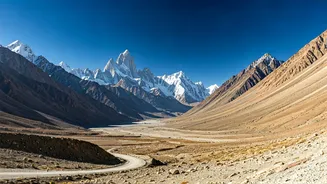
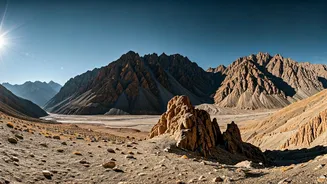
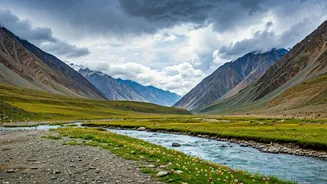
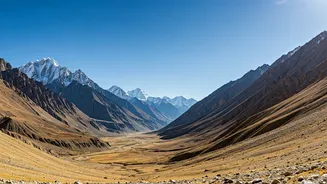
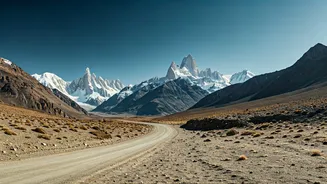
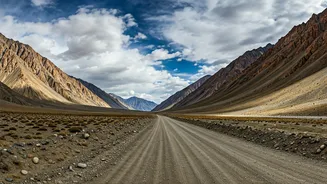
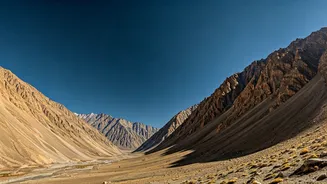
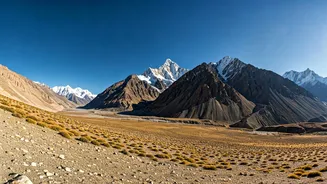
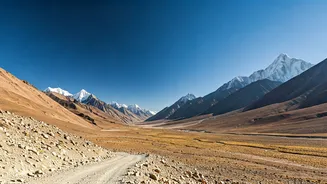
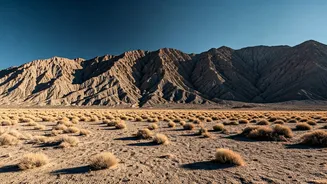
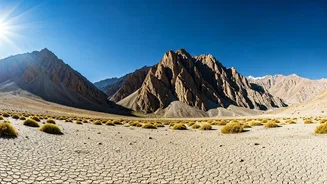
cities or verdant jungles. This is a cold desert, a geological marvel sculpted by wind and ice over millennia. Locked behind formidable mountain passes for much of the year, it exists in a rain shadow, meaning the colossal Himalayan peaks block the monsoon clouds, leaving the landscape stark, barren, and hauntingly beautiful. The color palette is a minimalist dream: muted browns of the mountains, a brilliant turquoise slash of the Spiti River, and a sky so deep and blue it feels close enough to touch. Traveling here feels less like a vacation and more like an expedition to another planet.
A Kingdom of Cliffs and Chants
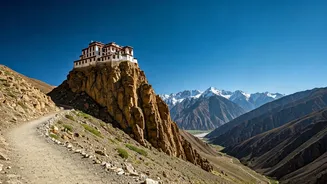
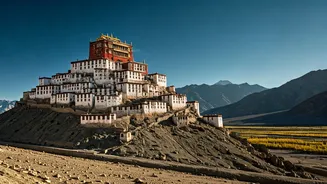
The raw, elemental nature of Spiti is matched by the deep spirituality that permeates its thin air. This is a bastion of Tibetan Buddhism, and its culture is visible everywhere, from the fluttering prayer flags on every pass and bridge to the ancient monasteries that seem to grow organically from the cliffsides. The most iconic of these is the Key Monastery, a breathtaking cluster of white-washed buildings perched precariously on a conical hill, looking like a fortress from a fantasy novel. Then there's Tabo Monastery, a humble, mud-brick complex founded over a thousand years ago, housing some of the most spectacular and well-preserved frescoes in the Himalayan world. Villagers here live a life of profound resilience, their gentle smiles and warm greetings a stark contrast to the harshness of the environment they call home. Life is slow, deliberate, and deeply connected to the cycles of the seasons and the rhythm of prayer.
The Journey Is Part of the Spectacle
Getting to Spiti is no small feat, and that is precisely part of its appeal. The journey weeds out the casual tourist, leaving the valley for those who truly seek it. There are two main routes. The first, from Manali, is a shorter but more dramatic and often treacherous path over the high-altitude Kunzum and Rohtang passes (now often bypassed via the Atal Tunnel). This route is a gut-wrenching, breathtaking adventure through hairpin bends, glacial melts flooding the road, and landscapes that shift from green to barren in a matter of hours. The second route, a longer, more gradual ascent from Shimla, follows the old Hindustan-Tibet highway. It’s considered the safer option, allowing travelers to acclimatize slowly to the dizzying altitudes, which regularly top 12,000 feet. Whichever path you choose, the drive itself is an integral part of the experience, a slow burn of anticipation and awe as you leave the modern world further and further behind.
Moments of Martian Magic
Beyond the grand landscapes, Spiti is a treasure trove of unique, almost surreal experiences. You can send a postcard from the world’s highest post office in the village of Hikkim. You can stand in Komic, one of the highest villages in the world connected by a motorable road, and feel like you're on the rooftop of the world. A short detour can take you to the shimmering, high-altitude Chandratal, or “Moon Lake,” a crescent of startlingly blue water surrounded by barren peaks. In the tiny, remote village of Giu, you can visit a small shrine that houses a 500-year-old mummified monk, his body naturally preserved by the cold, dry air. These aren't just photo-ops; they are moments that punctuate the vastness, small points of human and natural wonder that make the valley feel both immense and intimate at the same time.