





The Backlash Against Grind Culture
For decades, the ideal of fitness was forged in sweat and suffering. Think of the 1980s aerobics craze, the 2000s CrossFit boxes, or the high-intensity interval training (HIIT) classes that dominated the 2010s. The prevailing message was simple: push
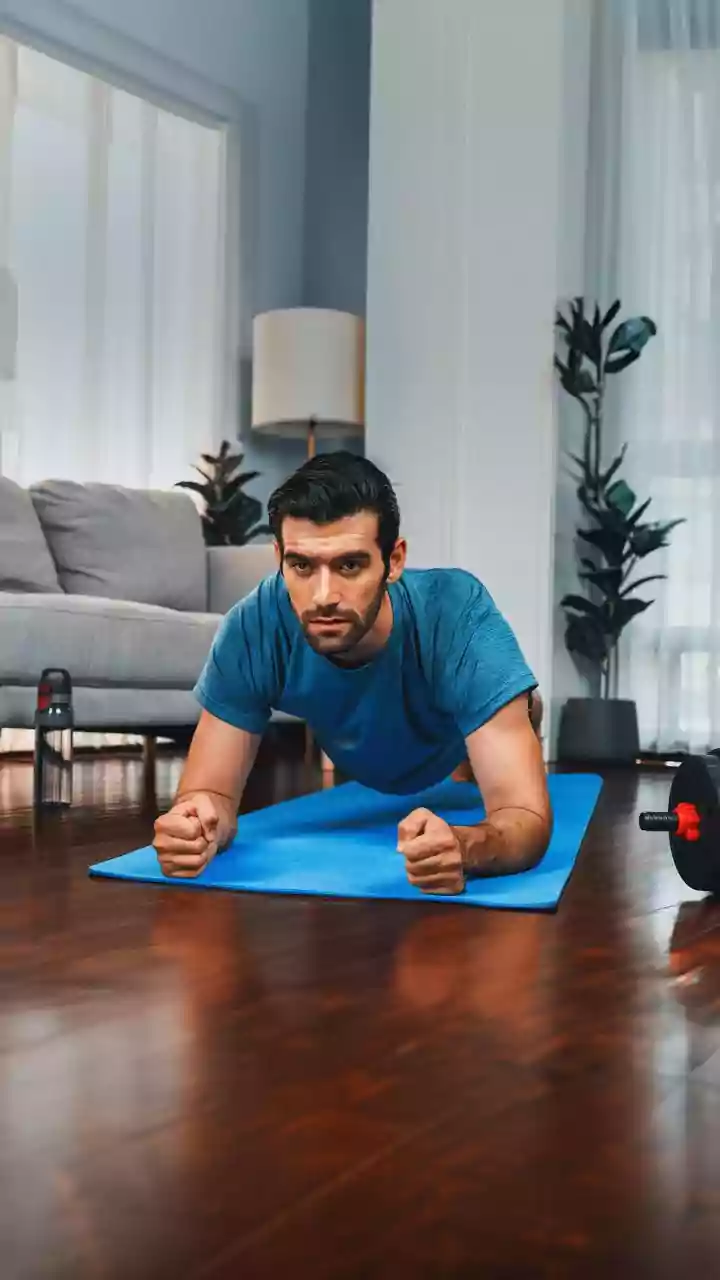
harder, lift heavier, and crush your goals, preferably while posting about it. This 'grind culture' aesthetic—defined by mirrored walls, punishing routines, and a focus on physical transformation—is losing its appeal for many in Gen Z. Raised in an era of digital burnout and heightened anxiety, this generation is increasingly wary of anything that feels like another source of pressure. The gym, once a sanctuary for self-improvement, can feel like a stage for performance anxiety and body comparison, two things Gen Z is actively trying to escape.
Enter 'Cozy Cardio'
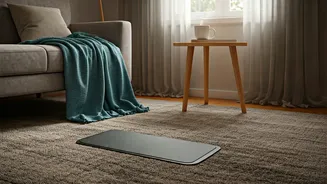
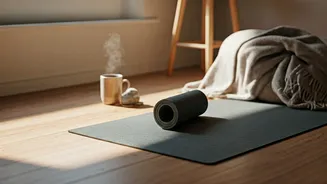
The antidote to fitness grind culture has a name: 'cozy cardio.' Popularized on TikTok, the term describes low-impact, low-stress movement done in the comfort of your own home. The quintessential cozy cardio setup involves a walking pad placed under a standing desk, allowing you to get your steps in while watching a movie, catching up on emails, or even video chatting with friends. It’s not about calorie burn or heart rate zones; it’s about gentle, consistent movement. The vibe is key: think comfy sweats, mood lighting, and your favorite comfort show. It reframes exercise from a chore to be endured into a pleasant, multitasking-friendly activity that fits seamlessly into your daily life. This isn't about a lack of discipline; it’s about a search for sustainability.
More Than Just Walking Pads
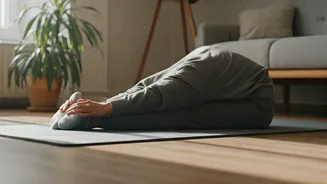
While the under-desk treadmill has become the poster child for this movement, the 'cozy fitness' ethos extends far beyond it. It encompasses any form of movement that prioritizes joy, community, and mental well-being over raw performance metrics. Pickleball, for example, has exploded in popularity precisely because it’s social, easy to learn, and less physically demanding than tennis. Similarly, there's a renewed interest in recreational hiking, 'hot girl walks' with friends, mindful yoga that emphasizes stretching over pretzel-like poses, and even fitness video games like Nintendo's Ring Fit Adventure. What these activities share is a lower barrier to entry and a focus on fun. They reject the idea that for a workout to 'count,' it has to be intense, structured, and painful.
A Workout for the Anxious Mind
Ultimately, the shift toward cozy fitness is a direct reflection of Gen Z's prioritization of mental health. This is a generation that speaks openly about anxiety and stress, and they are building their lives to mitigate it. In that context, a high-pressure gym environment can feel counterproductive. Why add the stress of competing with the person on the next treadmill when you can gently move your body at home while watching a comforting show? Cozy fitness is a form of self-care. It’s an acknowledgment that physical health and mental health are inextricably linked. The goal isn't to achieve a certain body type or hit a personal best; it's to calm the nervous system, reduce cortisol levels, and feel good in a holistic sense. It’s exercise as a tool for de-stressing, not a source of it.