







The Myth of Non-Stop Effort
In the American psyche, progress is synonymous with relentless effort. We apply this logic to our careers, our projects, and especially our workouts. The 'no days off' mantra echoes in gyms and on social media, creating a pervasive belief that if you’re
not sore, you’re not working hard enough. If you take a day off, you’re losing your edge. This mindset, however, is the biggest obstacle standing between you and your fitness goals. It frames rest as a sign of weakness or laziness, rather than what it truly is: a non-negotiable biological process. Pushing your body to its limits every single day doesn't lead to elite performance; it leads to burnout, injury, and diminishing returns. The real secret isn't about training harder, but recovering smarter.
Muscle Isn't Built in the Gym
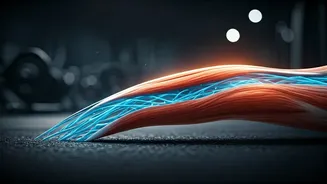
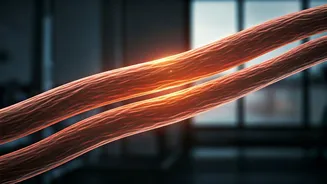
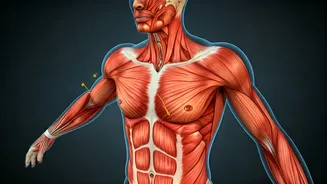
Here's a concept that can change your entire approach to fitness: you don't get stronger during your workout. In fact, you get weaker. When you lift weights, run sprints, or push your physical limits, you are creating microscopic tears in your muscle fibers. This damage is the entire point. It’s a signal to your body that it needs to adapt. The actual building process happens after you leave the gym. During periods of rest, your body initiates a process called muscle protein synthesis. It sends resources to repair those damaged fibers, but it doesn't just patch them up. It rebuilds them thicker and stronger than before to handle future stress. This is called 'supercompensation.' Without adequate rest—and the protein and nutrients that fuel it—your body never gets the chance to complete this crucial rebuilding phase. You’re just breaking down muscle without ever giving it a chance to grow.
Your Brain Needs a Break, Too
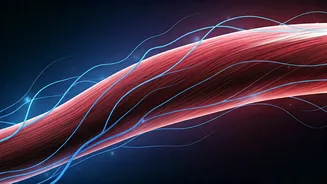
Fitness isn't just a muscular game; it's a neurological one. Every movement you make, from curling a dumbbell to holding a yoga pose, starts with a signal from your brain, sent through your central nervous system (CNS). Intense training places a massive demand on your CNS. When you don't get enough rest, you experience CNS fatigue. This isn't just about feeling sleepy. It manifests as a drop in strength, slower reaction times, poor coordination, and a lack of motivation. You might feel like you’re giving 100% effort on a lift, but your muscles just aren't firing with the same force. That’s your CNS telling you it’s overloaded and needs to reboot. Quality sleep is the single most effective way to restore your nervous system, allowing you to return to your workouts with the power and focus needed for real progress.
The Delicate Hormone Equation
Chronic overtraining without sufficient rest throws your hormones into chaos. It causes a spike in cortisol, the body's primary stress hormone. While cortisol is useful in short bursts, chronically elevated levels can be catastrophic for your fitness goals. It promotes fat storage (especially around the abdomen), breaks down muscle tissue, and interferes with sleep—creating a vicious cycle of stress and poor recovery. Simultaneously, overtraining can suppress the production of anabolic (muscle-building) hormones like testosterone and growth hormone. In essence, you create the perfect storm for losing muscle and gaining fat, all while feeling exhausted and irritable. Proper rest helps keep cortisol in check and allows your body to maintain a hormonal environment that’s primed for growth and recovery.
Active Recovery vs. Doing Nothing
Rest doesn't always mean being completely sedentary. There are two main types of recovery, and knowing when to use them is key. Passive recovery is exactly what it sounds like: complete rest. This includes getting 7-9 hours of quality sleep per night and taking full days off from any strenuous activity. Active recovery, on the other hand, involves low-intensity movement to promote blood flow, reduce soreness, and gently aid the repair process. This could be a light walk, a gentle swim, foam rolling, or stretching. A good rule of thumb is to schedule 1-2 passive recovery days per week and incorporate active recovery on the days after your most intense workouts. Listening to your body is the ultimate skill. If you’re feeling beat down, unmotivated, and your performance is stalling, that's not a cue to push harder. It's a signal that your body is begging for the most productive thing you can do for it: rest.