
Beyond the Lunch Buffet
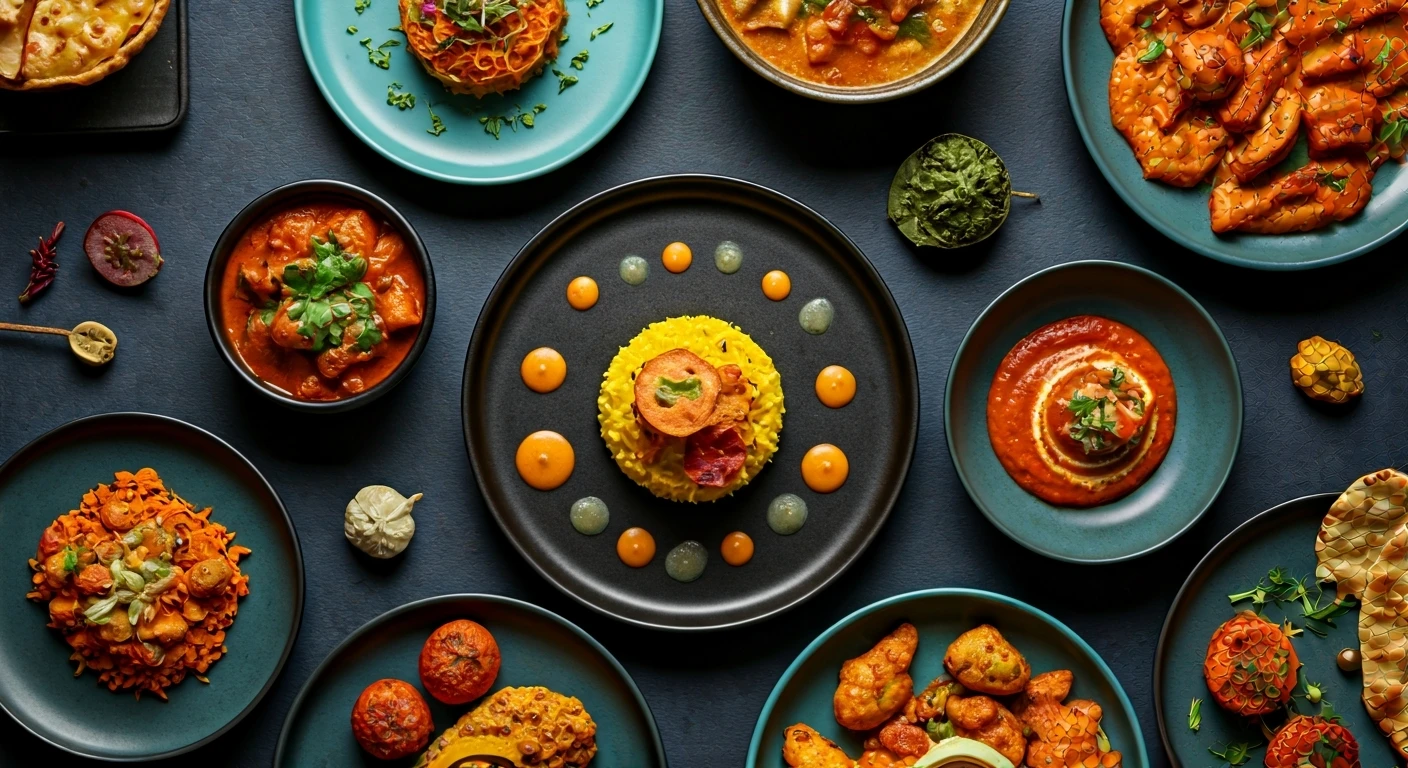
Let's be clear: there is nothing wrong with the comforting embrace of chicken tikka masala, saag paneer, and a garlic naan the size of a steering wheel. These dishes, often rooted in Punjabi cuisine, became the beloved ambassadors of Indian food across
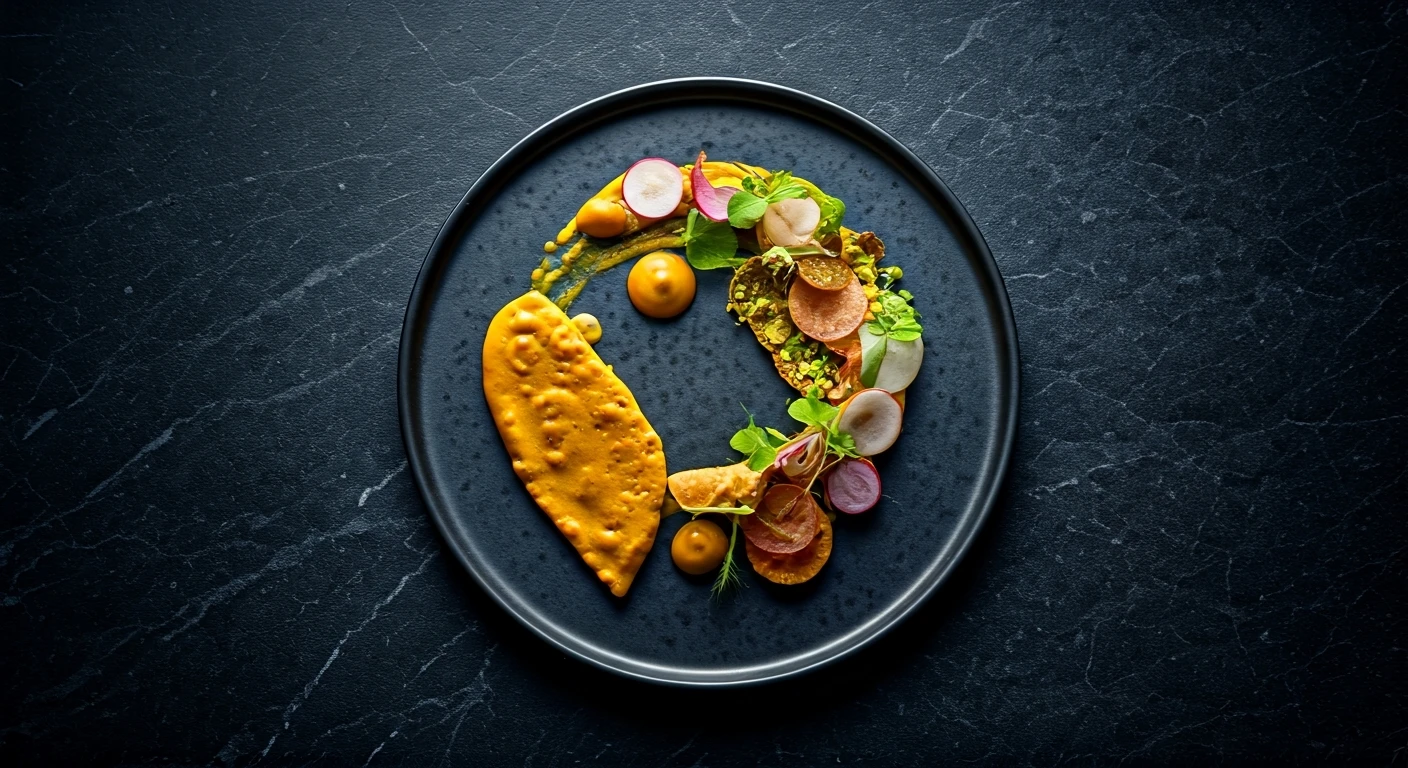
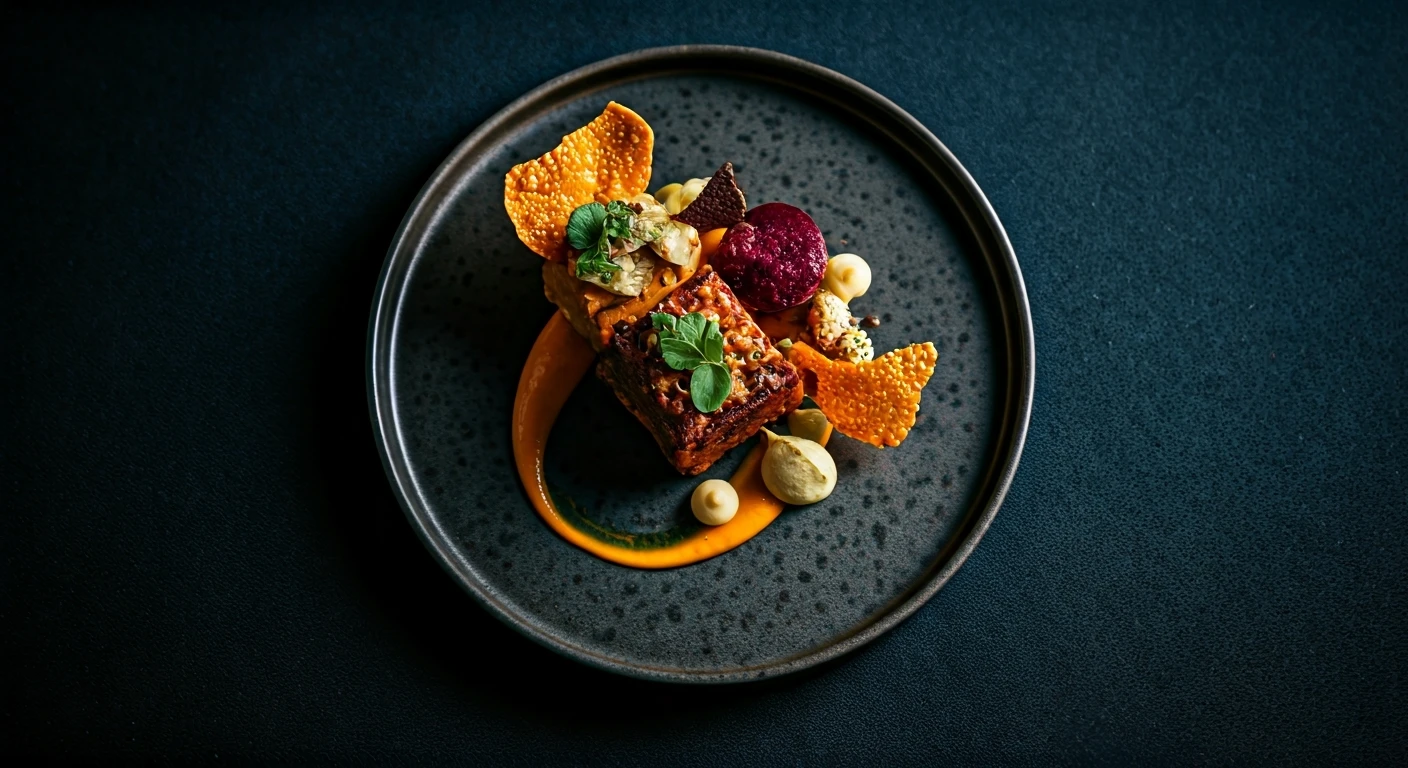
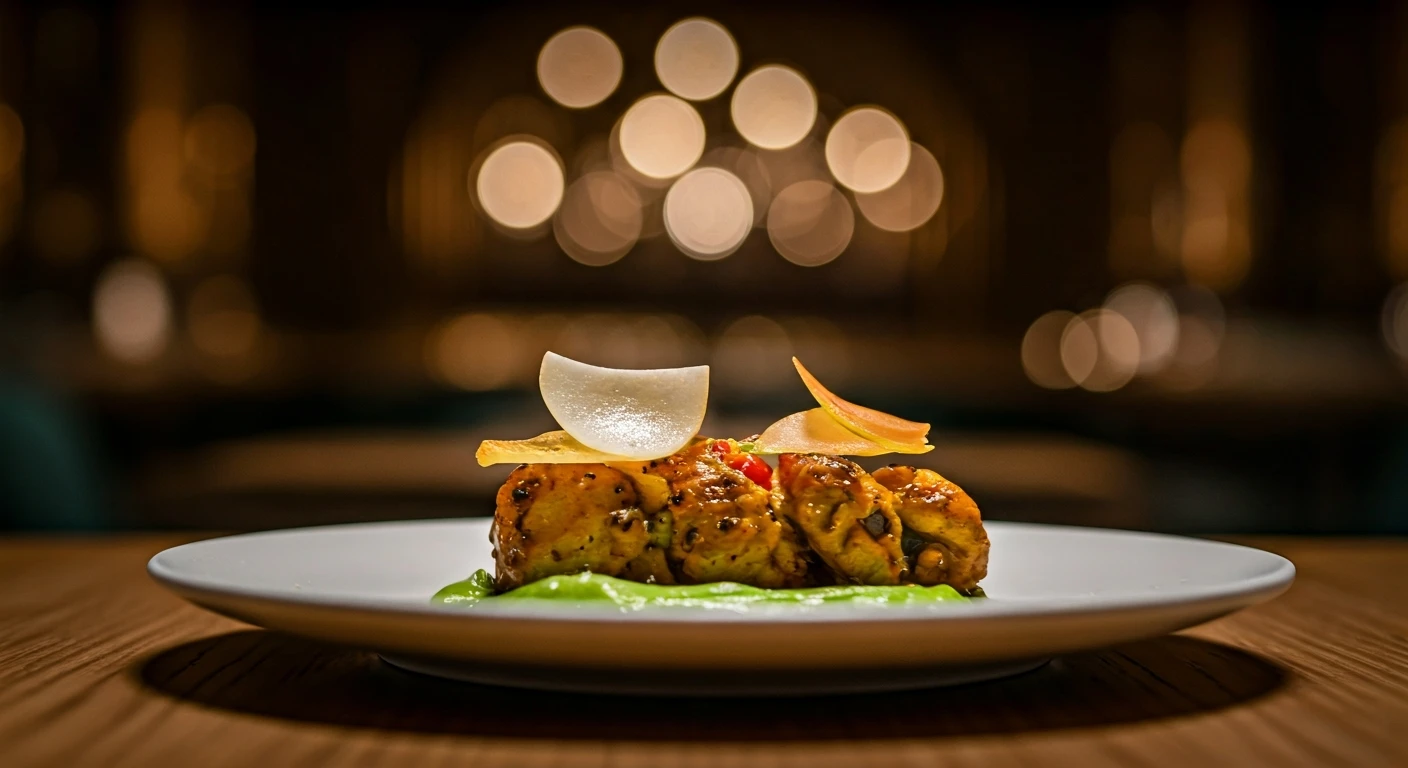
the United States. They are delicious, satisfying, and for many, the beginning and end of their Indian culinary knowledge. But to equate that with the entirety of Indian cuisine is like thinking American food is just burgers and fries. A new wave of chefs, both in India and abroad, is challenging this perception with a simple but powerful message: Indian food can be—and is—so much more. They are creating tasting menus that tell stories, using modern techniques to elevate ancient recipes, and forcing the world to reconsider everything it thought it knew about one of its great cuisines.
The New Guard and Their Philosophy
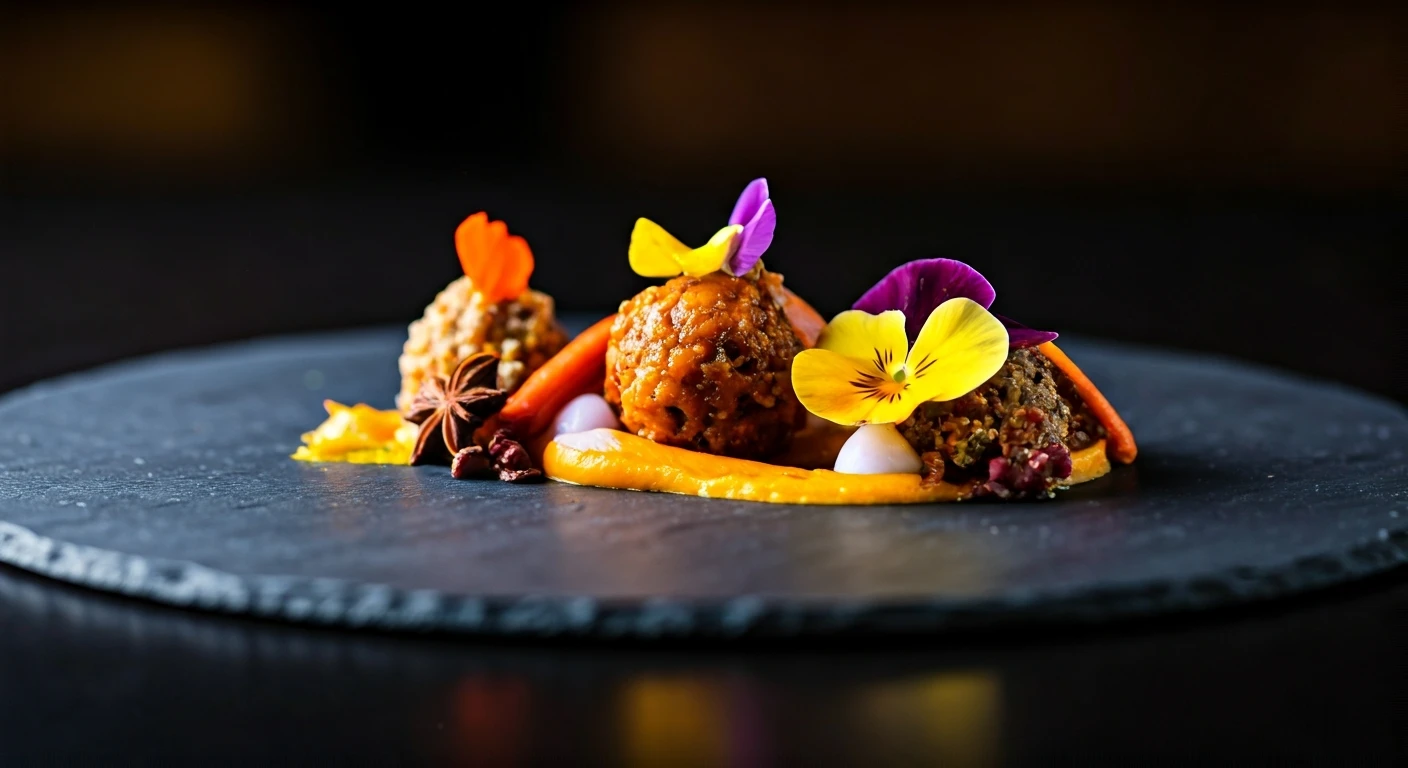
At the forefront of this movement are chefs like Manish Mehrotra of Indian Accent (in New Delhi, with past outposts in New York and London), Gaggan Anand of the eponymous Bangkok restaurant (now closed but legendary), and Garima Arora, the first Indian woman to earn a Michelin star for her restaurant Gaa, also in Bangkok. Their approach isn't about fusion in the dated, 1990s sense of slapping a curry powder on a piece of sea bass. Instead, it’s about deconstruction and reinterpretation. They dive deep into India’s vast and hyper-regional culinary lexicon, from the street foods of Kolkata to the coastal flavors of Goa, and ask, “What is the soul of this dish?” Then, they use global techniques—a sous-vide machine, a foam, a sphere—to present that soul in a new, surprising body. A humble lentil dish might be transformed into a delicate soup with a truffle oil drizzle; a classic street snack like pani puri might appear with flavored waters served in test tubes.
So, What's on the Plate?
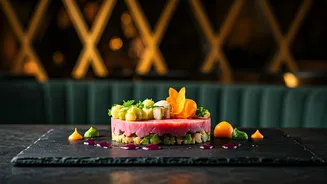
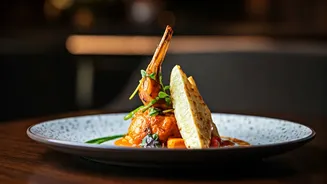
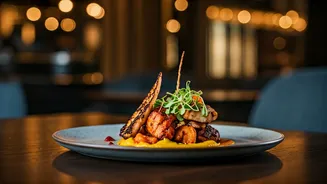
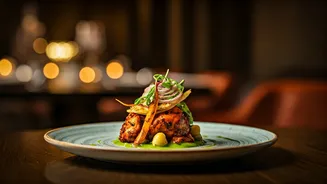
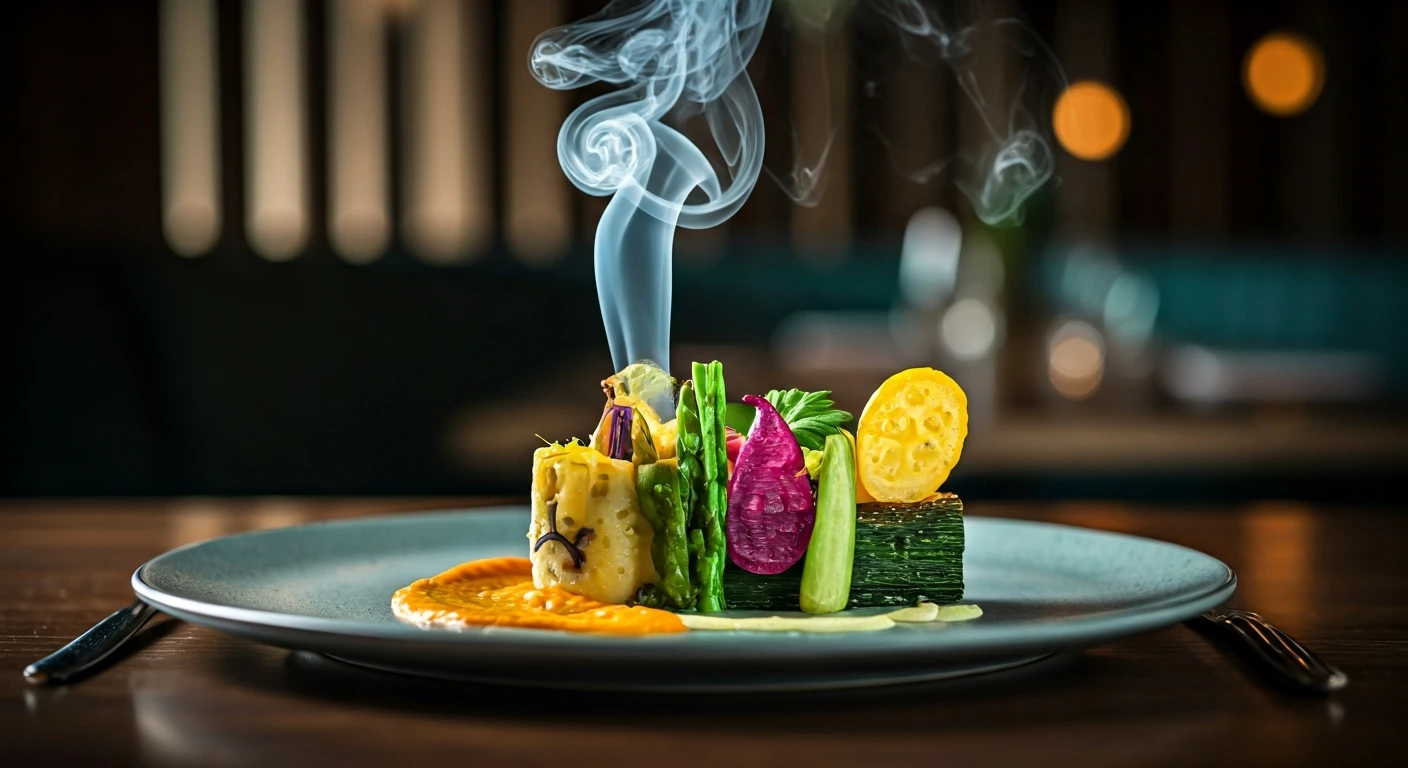
Imagine a menu that plays with texture, temperature, and expectation. At Indian Accent, a signature dish is the blue cheese naan—a playful, mind-bendingly delicious take on a classic bread that bridges the gap between Indian comfort and European indulgence. Another might be a duck confit-stuffed naan with a plum sauce, nodding to both French technique and Indian execution. At Gaa, Garima Arora might serve a single, perfect strawberry from a specific region, paired with savory elements that bring out its sweetness in an entirely new way. Or you might find 'liquid chicken tikka,' a flavorful broth sipped from a small cup that captures the essence of the tandoor without the heaviness. This isn't just about making things look fancy. It's about focusing the diner's attention on a specific flavor, a forgotten ingredient, or a brilliant pairing that was hiding in plain sight all along.
A Global Stamp of Approval
For years, the highest echelons of global gastronomy—Michelin stars, The World's 50 Best Restaurants list—were dominated by French, Japanese, and Spanish cuisines. Indian food, no matter how beloved, was rarely in the conversation. That has changed dramatically. Gaggan Anand's restaurant was named the best in Asia for four consecutive years. Garima Arora and other chefs have been collecting Michelin stars. In 2023, the Michelin Guide finally debuted in India, awarding stars to restaurants in Mumbai and Delhi, providing the ultimate external validation. This recognition is crucial. It’s not just an ego boost for chefs; it signals to the world that Indian cuisine belongs in the same category as other globally respected fine-dining traditions. It tells diners, critics, and investors that this is a serious, innovative, and world-class culinary scene.