
Grilled Cheese and Tomato Soup
This isn't just the king of comfort foods; it's a lesson in nutritional synergy. Tomatoes are famously rich in lycopene, a powerful antioxidant linked to reduced risk for certain cancers and improved heart health. The catch? Lycopene is fat-soluble, meaning
your body needs fat to absorb it effectively. Enter the grilled cheese sandwich. The fat from the butter and cheese acts as a vehicle, unlocking the full potential of the lycopene in the soup. So when you dunk that crispy, buttery corner into your bowl, you’re not just creating a perfect bite—you're turning a simple meal into a more bioavailable superfood.
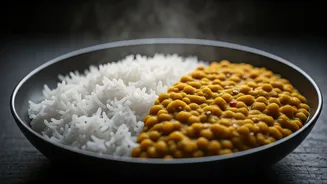
Beans and Rice
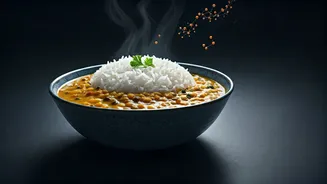
Grandma probably served you some version of this, and for good reason. It’s the foundation of cuisines across the globe, from Latin America to the Middle East, because it forms a “complete protein.” Proteins are made of amino acids, nine of which are “essential,” meaning our bodies can't produce them. Most plant-based foods are “incomplete,” lacking one or more of these essential building blocks. Grains like rice are low in the amino acid lysine, while legumes like beans are low in methionine. Eaten together, they complement each other perfectly, providing all nine essential amino acids in one affordable, satisfying meal. It’s a masterclass in frugal, effective nutrition.
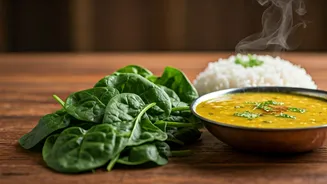
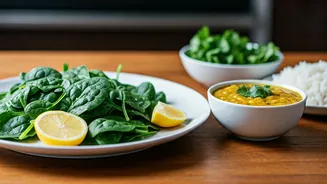
Spinach Salad with a Lemon Vinaigrette
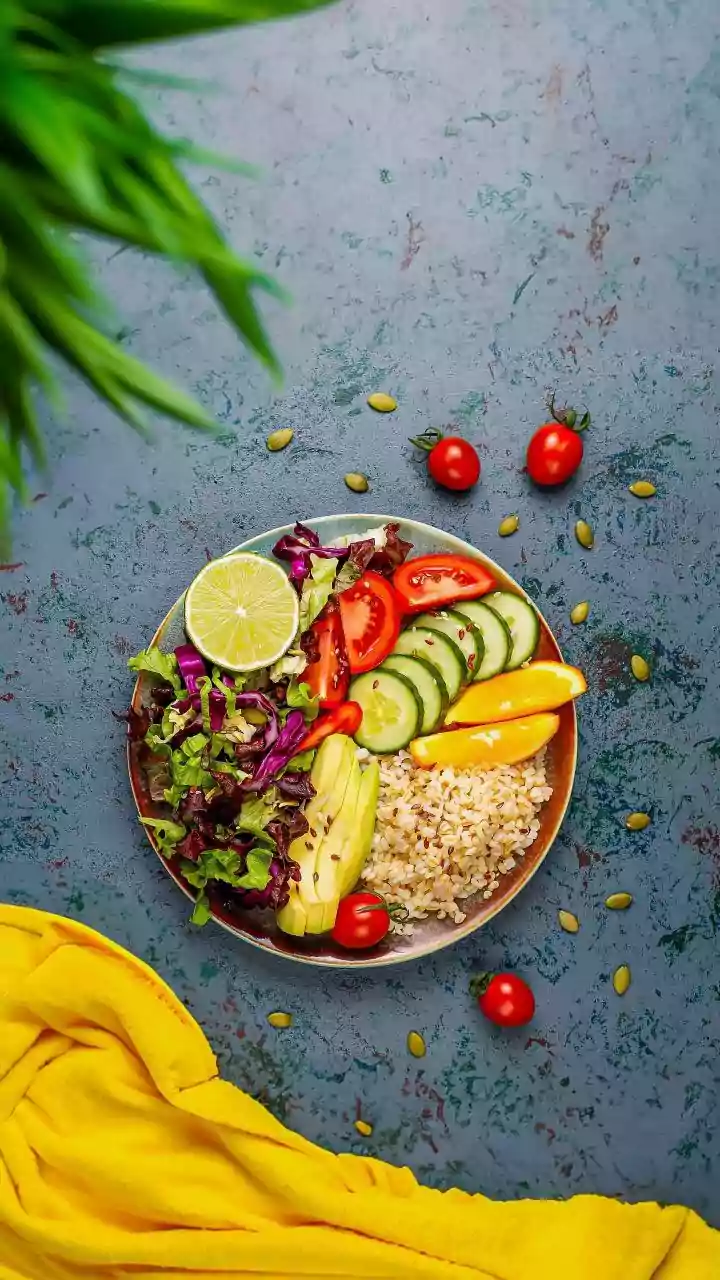
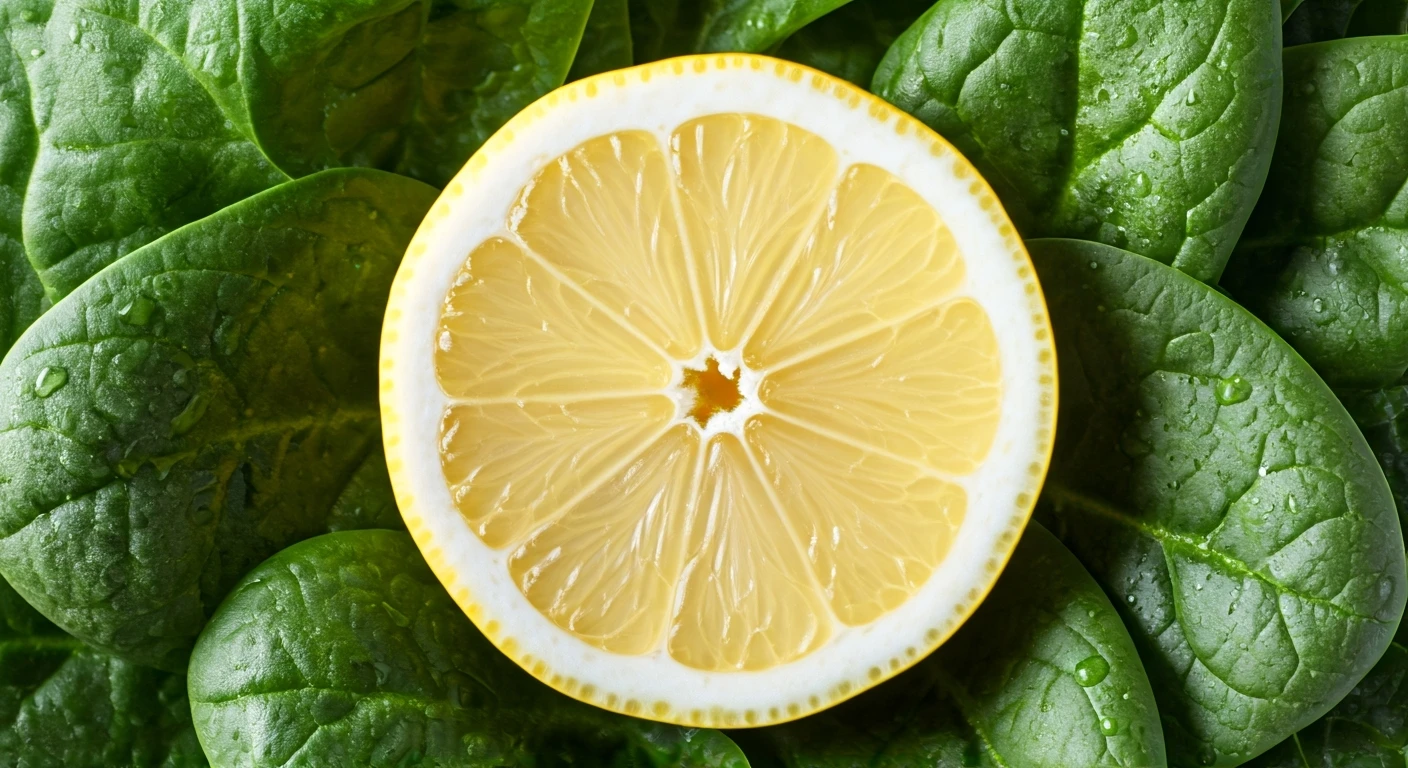
Ever wonder why a squeeze of citrus brightens up a plate of greens? It’s not just about flavor. Leafy greens like spinach are packed with iron, but it’s a type called “non-heme” iron, which is notoriously difficult for the body to absorb compared to the heme iron found in meat. This is where the lemon comes in. The Vitamin C in citrus fruits can increase the absorption of non-heme iron by severalfold. That simple lemon-based vinaigrette isn’t just dressing; it’s a key that unlocks the full nutritional value of the entire salad. This principle also applies to adding bell peppers (high in C) to a bean chili or strawberries to your oatmeal.
Oatmeal and Orange Juice
A classic breakfast duo that’s more than the sum of its parts. Just like with spinach, the iron in whole-grain oats is the less-absorbable non-heme type. A glass of orange juice on the side provides the Vitamin C needed to help your body make the most of that plant-based iron, ensuring you get the energy-boosting benefits. Beyond iron, some studies have also pointed to a synergistic effect between the phenols in oats and the Vitamin C in the juice, suggesting the combination provides even greater heart-health benefits by stabilizing cholesterol more effectively than either food alone. It’s the one-two punch your morning routine needs.
Roast Chicken with Rosemary
That sprig of rosemary tucked into the roast chicken wasn't just for a fancy, herbaceous aroma. When meat, poultry, and fish are cooked at high temperatures (like grilling, broiling, or roasting), compounds called heterocyclic amines (HCAs) can form, which have been linked to health concerns. Rosemary, however, is rich in antioxidants like carnosic acid and rosmarinic acid. Research suggests that marinating or cooking meat with rosemary can significantly inhibit the formation of these HCAs. Your grandmother was unknowingly employing a powerful protective herb that not only made the dish taste better but also potentially made it safer to eat.