





From Sun-Seeking to Sun-Fleeing
For generations, the logic of summer travel was simple: go somewhere warm. But as our 'somewhere warm' at home becomes 'somewhere dangerously hot,' that logic is being inverted. A new travel trend is emerging, driven not by wanderlust but by necessity.
Families in Phoenix, where sidewalks can reach 180 degrees, are booking trips to Seattle. New Yorkers, recalling skies turned orange by wildfire smoke, are eyeing the clear air of Vermont. Travel analysts and booking sites are noting a tangible shift. Instead of searching for 'beachfront,' users are searching for 'mild weather' or looking at destinations with average July temperatures below 80 degrees. This isn't just about comfort; it's a strategic retreat from conditions that are becoming physically and mentally taxing. The 'cool-cation' is the new luxury, and access to it is reshaping the U.S. travel map.
The Drivers: Heat Domes and Smoke Season
Two primary factors are pushing Americans to pack their bags: oppressive heat and hazardous air quality. The summer of 2023 was a stark preview, as a stubborn 'heat dome' parked itself over Texas, Arizona, and much of the South, shattering temperature records for weeks on end. For those living under it, daily life became an endurance test. Simple errands felt risky, and staying indoors running air conditioning 24/7 sent utility bills soaring. For many, a two-week trip to a cooler state became more than a vacation—it was a reprieve that felt essential for their well-being. Simultaneously, smoke from Canadian wildfires drifted across the Midwest and Northeast, grounding flights, canceling outdoor events, and pushing air quality into the 'hazardous' zone for millions. This 'smoke season' is a relatively new and alarming phenomenon for much of the country, and it’s directly influencing travel decisions. Why vacation at a local lake if you can't safely breathe the air?
The New 'It' Destinations
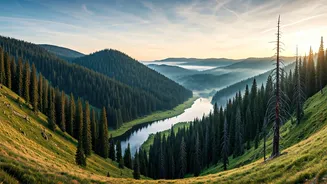
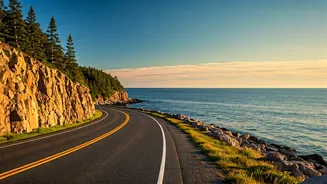
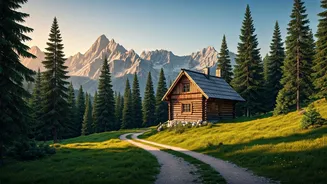
As vacationers flee the heat, a new set of destinations is experiencing an unexpected tourism boom. The traditional summer hotspots are being challenged by places once considered off-season or sleepy. The Upper Midwest—specifically states like Michigan, Wisconsin, and Minnesota—is gaining popularity for its vast freshwater lakes and reliably milder summers. Coastal New England, particularly Maine and Vermont, is attracting visitors seeking crisp mountain air and cool ocean breezes. Further west, the Pacific Northwest and mountain states like Colorado and Wyoming are also seeing increased interest. These 'climate havens' are finding their rental markets tightening and restaurants filling up. While a boon for local economies, it also presents challenges, including strain on infrastructure and rising housing costs for year-round residents. The trend is creating a new class of seasonal boomtowns, whose primary commodity is a temperate climate.
A Privilege, Not a Plan
While the idea of a 'climate survival getaway' makes for a compelling headline, it's crucial to recognize that it's an option available only to a privileged few. For the majority of Americans, fleeing a heatwave for weeks at a time is a financial impossibility. Low-income communities, the elderly, and outdoor workers are often the most exposed to extreme heat and have the fewest resources to escape it. They can’t afford a second home in Michigan or a month-long rental in Oregon. They rely on public cooling centers, neighborhood pools, and whatever relief they can find at home. This growing travel trend highlights a new dimension of climate inequality: as the environment becomes more hostile, the wealthy can buy their way to safety and comfort, while others are left to endure the consequences. It underscores that personal adaptation strategies are not a substitute for the large-scale policy solutions needed to address the root causes of climate change.