



More Than Just a Gut Feeling
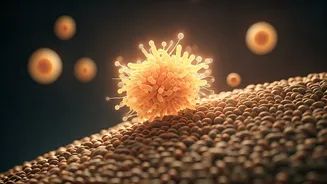
So, what's driving this tangy takeover? In a word: wellness. The conversation around health has shifted from counting calories to nurturing our bodies from the inside out, and the gut is ground zero. Our digestive tracts are home to trillions of microorganisms,
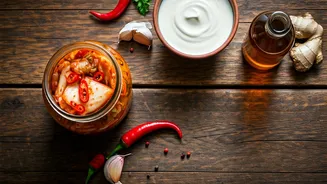
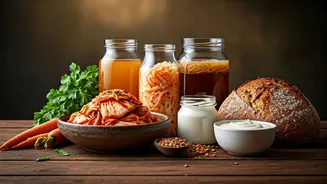
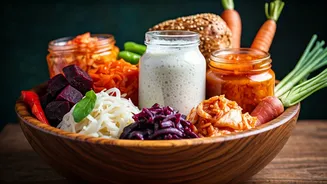
collectively known as the gut microbiome. A diverse and balanced microbiome is increasingly linked by researchers to everything from better digestion and stronger immunity to improved mood. This is where fermented foods shine. Fermentation is an ancient preservation process where microorganisms like bacteria and yeast break down sugars. This not only prevents spoilage but creates a wealth of beneficial bacteria, or probiotics. When you eat something like yogurt or sauerkraut, you're introducing these helpful microbes to your system, reinforcing your gut's natural ecosystem. It’s like sending in reinforcements for the good guys.
The New Flavor Frontier
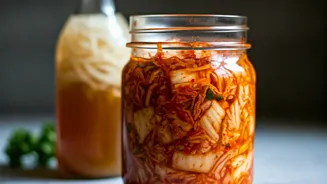
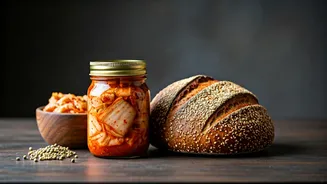
While the health benefits are a huge draw, let's be honest: food has to taste good to become a daily habit. The secret to the staying power of fermented foods is their incredible flavor. The fermentation process creates complex, deeply savory, and acidic notes that chefs call a 'flavor bomb.' Think about the salty, funky punch of miso that transforms a simple soup, or the bright, acidic crunch of kimchi that can liven up anything from tacos to fried rice. These foods add a layer of complexity that you can't get from salt and pepper alone. They bring 'umami'—that satisfying, savory fifth taste—to the table. Instead of being a health chore, incorporating fermented foods is a culinary upgrade, a simple way for home cooks to make their meals more dynamic and delicious with minimal effort.
From Niche to On Tap
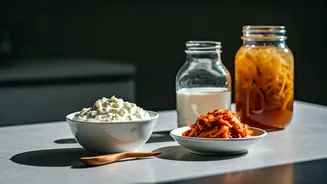
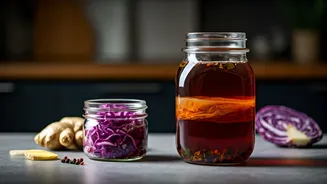
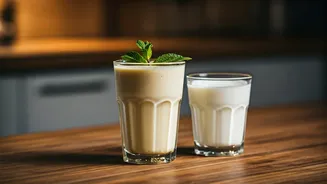
The journey from niche product to daily essential is paved with accessibility. For years, finding high-quality fermented foods meant a trip to a specialty store or a farmers' market. Now, the market has exploded. Grocery store refrigerated sections are lined with a dizzying array of kombucha flavors, from ginger-lemon to hibiscus-rose. The yogurt aisle has evolved far beyond sugary fruit-on-the-bottom cups to include tangy Greek yogurt, Icelandic skyr, and drinkable kefir. You can find artisanal sauerkraut, real pickles (fermented, not just soaked in vinegar), and tubs of gochujang and miso next to the ketchup. This mainstream availability signals a fundamental shift. When something is easy to find and buy, it’s easier to incorporate into your daily routine. Fermented foods are no longer a treasure hunt; they are a simple, convenient choice.
Easy Ways to Get Started
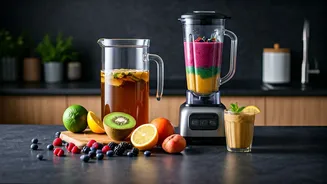
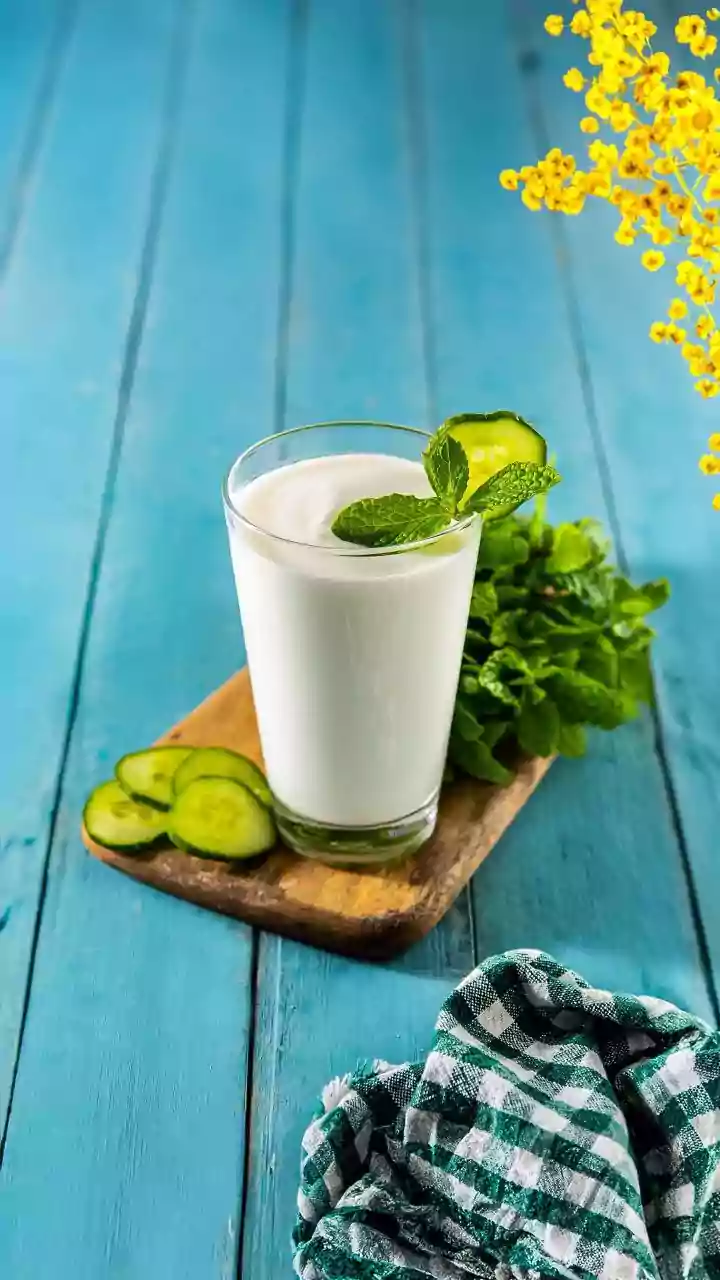
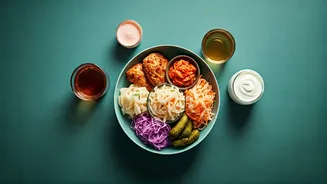
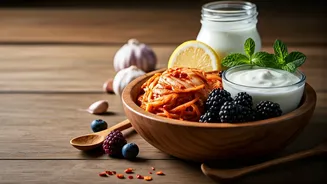
Diving into the world of fermentation doesn't require a complete dietary overhaul. It's about small, simple swaps and additions. Start your morning by swapping your usual cereal for a bowl of plain Greek yogurt or kefir topped with fruit and granola. At lunchtime, add a forkful of sauerkraut or kimchi to your sandwich or salad for a zesty kick. Instead of reaching for a sugary soda in the afternoon, try a bubbly kombucha. You can also upgrade your condiments: using miso to glaze vegetables or adding a dollop of sour cream (which is fermented!) to chili are easy wins. The key is to start with flavors you already enjoy. If you like yogurt, explore kefir. If you like pickles, try a naturally fermented version. It’s about adding, not restricting.