





The Illusion of the Idyllic Scene
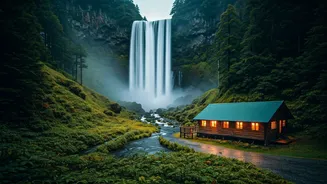
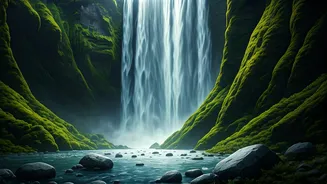
We see it on Instagram, in travel brochures, and in our own vacation photos: the perfect shot of a waterfall cascading into a serene pool. This imagery creates a powerful illusion of a tranquil, accessible paradise. It’s a sensory overload of beauty—the
cooling mist, the thunderous sound, the lush greenery. This captivating experience can create what experts call a “safety blind spot.” Visitors become so focused on the spectacle that they fail to recognize the inherent dangers of the environment. The smooth, moss-covered rocks look inviting for a seat, the calm-looking pool below seems perfect for a dip, and the cliffside trail promises an even better view. Unfortunately, this perception couldn't be further from the reality of the physics at play.
The Unseen Forces at Work
A waterfall is a dynamic, powerful, and constantly changing system. The most common and underestimated danger is not the fall itself, but the surrounding area. Rocks near waterfalls, even those dozens of feet from the water, are often coated in a perpetual, slick layer of algae and mist, making them as slippery as ice. A simple misstep can lead to a serious fall. The water at the base of a fall, no matter how calm it appears on the surface, is a turbulent vortex. The force of the falling water creates powerful, unpredictable currents and undertows—known as hydraulics—that can trap even a strong swimmer. Furthermore, the constant erosion caused by the water means that rocks, logs, and other debris can become dislodged from above without warning.
When Paradise Turns Perilous
Every year, U.S. national and state parks report serious injuries and fatalities at waterfalls. Incidents at popular spots like Kaaterskill Falls in New York, Cummins Falls in Tennessee, or within the Great Smoky Mountains National Park often share a common theme: a visitor strayed from the designated path for a better photo, attempted to climb the wet rocks, or swam in a prohibited area. Park rangers repeatedly stress that warning signs and barriers are not suggestions; they are placed in response to known hazards and previous accidents. The desire for a unique experience or a viral social media post can tragically override basic safety instincts. Rescues in these remote, rugged locations are incredibly difficult and dangerous for emergency crews, turning a preventable accident into a complex, life-threatening operation.
Responsibility vs. Regulation
The headline’s call for “serious safety checks” opens a conversation about responsibility. Park services do conduct safety checks. They install guardrails, post explicit warning signs, and sometimes close off entire areas deemed too hazardous. However, there is a limit to how much a natural environment can be regulated without destroying its character. The National Park Service and state agencies operate on a dual mission: to preserve nature and to provide for its enjoyment by the public. Building a fence around every scenic overlook is impractical and goes against the ethos of experiencing wild places. This is where personal responsibility becomes paramount. The most effective safety check is the one each visitor performs for themselves: by reading the signs, respecting the barriers, and recognizing that nature’s beauty does not negate its power.
How to Stay Safe at the Falls
Enjoying waterfalls doesn’t have to be a risk. It just requires mindfulness. First, wear appropriate footwear with excellent grip—not flip-flops or smooth-soled sneakers. Second, always stay on marked trails and viewing platforms. If a sign says “Danger” or “Keep Out,” obey it. Third, never climb on or around the waterfall itself. The rocks are treacherous. Fourth, resist the urge to swim unless it is in a clearly marked and designated swimming area. Even then, never swim alone. Finally, be realistic about your physical abilities and the conditions of the day. A beautiful day can still mean a hazardous trail. Teach children these rules from a young age, and never let them explore these areas unsupervised. The best photo is one you get to go home and share.