







The New Digital Co-Pilot
The humble weather app has undergone a massive evolution. It's no longer just a tool for deciding whether to grab an umbrella on your way out the door. For millions of Americans, it has become an indispensable and often anxiety-inducing part of travel
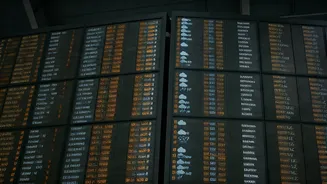
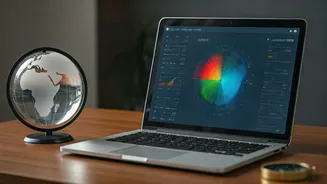
planning. Before booking flights or hotels, we’re not just checking prices; we’re scrutinizing historical climate data, analyzing long-range precipitation models, and trying to pinpoint the one perfect week where the weather will be an idyllic 75 degrees and sunny. This isn't just about a weekend getaway. People are now 'scoping the weather' for trips months in advance, creating a new layer of digital-first decision-making that didn't exist a decade ago. The smartphone, armed with a dozen different forecasting apps, has become the de facto co-pilot for our travel ambitions, for better or worse.
It's Not Just About Rain Anymore
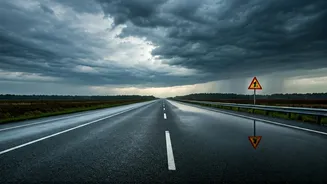
This obsession goes far beyond simply avoiding a rained-out beach day. In an era of increasing climate volatility, travelers are using forecasts to navigate a much more complex set of variables. We're trying to dodge atmospheric rivers in California, oppressive heat domes in the Southwest, and the ever-present threat of wildfire smoke that can blanket entire regions for weeks. 'Good weather' has been redefined. It’s no longer just about sunshine; it’s about air quality, humidity levels, wind speeds, and avoiding ecological extremes. This has given rise to a new kind of travel calculus. Instead of just picking a place and time, we're trying to outsmart Mother Nature, using terabytes of data to find a safe and pleasant pocket in an increasingly unpredictable climate.
How the Travel Industry Is Adapting
The travel industry, ever responsive to consumer behavior, is paying close attention. Airlines and hotels are already using sophisticated algorithms that factor in weather predictions to adjust pricing. But the more visible shift is in marketing. Destinations are no longer just selling their sights; they're selling their climate reliability. You'll see mountain resorts advertising their 'cool summer escapes' from urban heat, or coastal towns in the Pacific Northwest promoting their 'smoke-free seasons.' This trend is also fueling the boom in 'shoulder season' travel—the periods just before and after peak season. Travelers are increasingly willing to trade the guarantee of perfect summer weather for the higher probability of pleasant conditions in May or September, avoiding both the crowds and the extreme heat of July and August. Travel insurance policies are even evolving, with more options to cover trips canceled due to unforeseen weather events.
The Anxiety of Perfect Planning
But is this constant stream of meteorological data actually improving our vacations? For many, it's a source of significant stress. The paradox of choice kicks in: with infinite data, we feel pressure to make the 'perfect' decision, an impossible task when dealing with something as inherently chaotic as the weather. A 10% chance of rain two weeks from now can cast a pall over the excitement of booking. Furthermore, we often forget a crucial fact: long-range forecasts are educated guesses at best. Pinning our hopes and happiness on a prediction for a Tuesday afternoon three weeks away is a recipe for disappointment. This obsession can rob travel of its spontaneity and joy, replacing a sense of adventure with a need for absolute control. It turns a relaxing escape into another optimization problem to be solved, another metric to be managed.