



The Land of High Passes
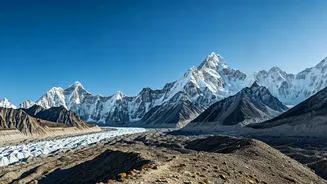
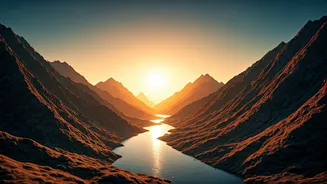
Tucked away in the northernmost part of India, Ladakh is a realm of stark, majestic beauty. Often called the “Roof of the World” or “Little Tibet,” it’s a cold desert region sandwiched between the colossal Karakoram and Himalayan mountain ranges. For
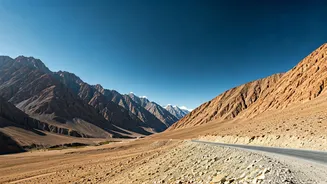
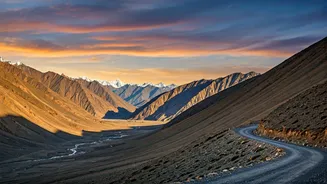
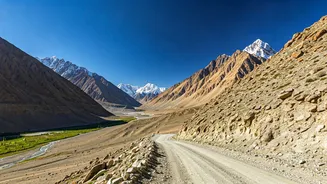
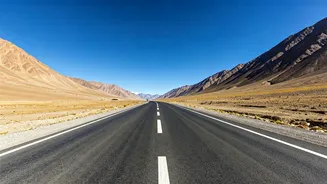
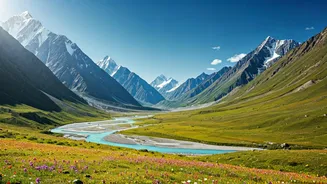
most of the year, heavy snowfall cuts it off from the rest of the world by road. But come late spring, Indian Army snow-clearing teams perform a near-miraculous feat: they blast and bulldoze through dozens of feet of snow to open the high-altitude highways. This annual opening kicks off a short but glorious season for adventurers seeking a road trip unlike any other, navigating winding roads that climb above 17,000 feet, past ancient monasteries perched on cliffs and through valleys painted in impossible shades of brown, ochre, and grey.
Choosing Your Epic Route
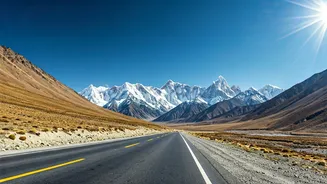
There are two main arteries into Ladakh’s heart, the capital city of Leh, each offering a distinct experience. The first is the 270-mile Srinagar-Leh Highway. This route is often recommended for first-timers as it involves a more gradual ascent, allowing your body to better adjust to the altitude. It winds through the lush valleys of Kashmir before crossing the formidable Zoji La pass and entering the arid moonscape of Ladakh. The journey itself is a stunning transition between two completely different worlds. The second, more famous option is the 297-mile Manali-Leh Highway. This is the stuff of road trip legends. A more challenging and rugged route, it crosses five major high passes, including the dizzying Taglang La at 17,480 feet. The landscape is relentlessly dramatic, a high-altitude spectacle of barren mountains, deep gorges, and vast plains. It’s a tougher drive, but for many, this raw, unfiltered adventure is the entire point.
Respect the Altitude
The single most important factor for any Ladakh trip is acclimatization. At these elevations, the air has significantly less oxygen, and rushing the ascent can lead to Acute Mountain Sickness (AMS), a serious condition with symptoms ranging from headaches and nausea to life-threatening complications. The golden rule is to take it slow. Most travelers fly into Leh (itself at 11,500 feet) and spend at least two full days resting, hydrating, and doing nothing more strenuous than a gentle walk around town. This allows your body to start producing more red blood cells to cope with the thin air. When driving in, the same rules apply: plan for overnight stops at progressively higher elevations. Stay hydrated (water is key), avoid alcohol and smoking, and listen to your body. A Ladakh road trip is a marathon, not a sprint.
The Unforgettable Payoffs
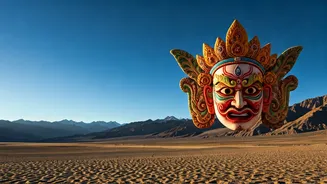
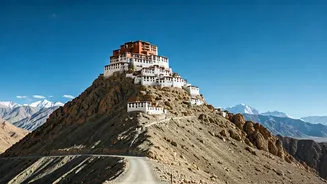
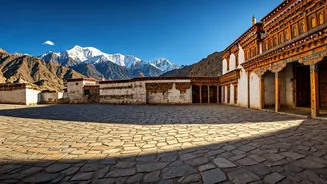
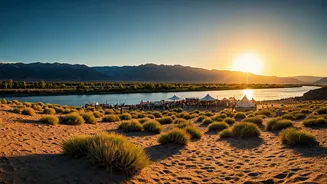
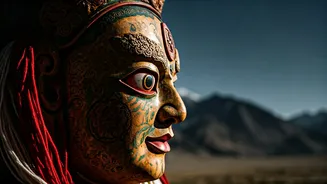
The challenging journey is rewarded with access to some of the most surreal landscapes on Earth. The highways are just the beginning. From Leh, you can drive over the Khardung La—once erroneously billed as the world's highest motorable pass—into the wide-open expanse of the Nubra Valley. Here, you’ll find sand dunes and double-humped Bactrian camels, a bizarre and beautiful echo of the ancient Silk Road. Another essential side trip is to Pangong Tso, a 100-mile-long saltwater lake that stretches across the border into Tibet. Its waters shift through every shade of blue imaginable, a stunning spectacle against the backdrop of barren, mineral-streaked mountains. Beyond the famous sights, the journey is dotted with serene Buddhist monasteries like Thiksey, Hemis, and Diskit, offering moments of profound peace and a connection to the region’s deep spiritual heritage.
Logistics for the Journey
Planning is crucial. The driving season is short, typically from June to September. You can rent a car, but hiring a local driver with a sturdy 4x4 (like a Toyota Innova or Mahindra Scorpio) is the most common and recommended approach. These drivers are masters of the treacherous roads and changing weather conditions. For certain areas near the border, like Nubra Valley and Pangong Lake, you’ll need an Inner Line Permit, which can be easily arranged by travel agents in Leh. Pack in layers, as the temperature can swing wildly from scorching sun during the day to freezing at night. A good first-aid kit, sunscreen, sunglasses, and any personal medications are non-negotiable. Finally, travel with a flexible mindset; landslides can cause road closures, and plans may need to change on a moment's notice.