




From Burnout to Blooms
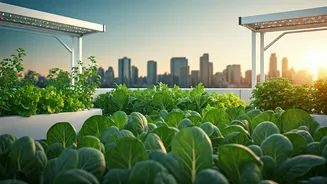
Across America’s densest cities, a quiet revolution is taking root. White-collar workers, armed with master's degrees and years of experience in finance, marketing, and tech, are trading their ergonomic chairs for trowels and trellises. This isn't a retreat
to the countryside; it's a pivot to the skyscraper’s edge. The driving force is often a profound sense of burnout and a yearning for tangible results. After years of navigating abstract projects, digital deliverables, and endless Zoom calls, the appeal of nurturing a seed into food that will be on a local’s plate that evening is powerfully concrete. They're seeking work that aligns with their values—sustainability, community, and health—and provides a direct, visible impact on their environment.
The Reality Behind the Romance
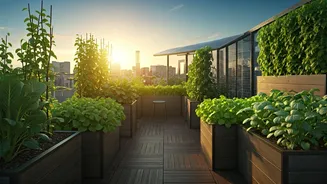
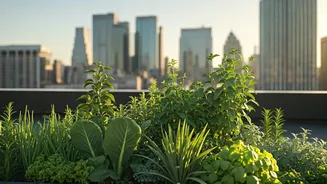
The phrase “rooftop sanctuary” conjures images of serene gardeners peacefully tending to herbs. The reality, however, is far more demanding. Urban farming is a business, and it’s a tough one. The work is physically grueling, involving heavy lifting, battling pests, and enduring unpredictable weather, from scorching summer heat to sudden downpours. The hours are long and often dictated by the sun and seasons, not a 9-to-5 schedule. Founders of urban farms and their employees often speak of the steep learning curve. Skills in horticulture, logistics, and pest management must be acquired quickly. Furthermore, the economics are challenging. Profit margins can be razor-thin, dependent on securing contracts with high-end restaurants or building a loyal base for a direct-to-consumer model. It’s a labor of love, but it is unequivocally labor.
The New Urban Business Model
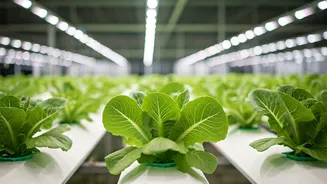
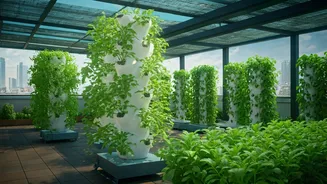
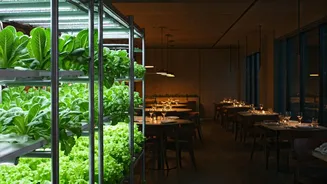
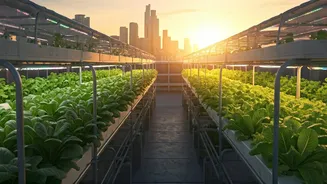
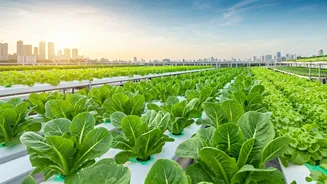
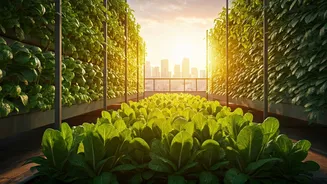
So how do these farms survive, let alone thrive, on some of the world’s most expensive real estate? The answer lies in innovative business models and technology. Many successful rooftop farms, like Brooklyn Grange in New York City or Gotham Greens in cities across the country, are not simple dirt-on-a-roof operations. They are sophisticated agricultural enterprises. Some utilize advanced hydroponic or aquaponic systems, growing produce vertically in controlled environments to maximize yield in minimal space. Their primary customers are often local restaurants willing to pay a premium for hyper-fresh, high-quality ingredients that can be harvested and delivered within hours. Other models include Community Supported Agriculture (CSA) programs for city dwellers, on-site farm stands, and even hosting events like weddings and yoga classes to create diversified revenue streams.
Greening the Concrete Jungle
This career trend represents more than just a handful of personal reinventions; it’s a component of a larger movement to reshape the urban landscape. Urban farms contribute to local food security by reducing a city’s reliance on long, fragile supply chains. They slash “food miles,” cutting down on transportation emissions and delivering more nutritious produce. These green roofs also provide critical ecosystem services: they help manage stormwater runoff, mitigate the urban heat island effect, and create vital habitats for pollinators like bees and butterflies. They become community hubs, offering educational programs and reconnecting city residents with the process of how their food is grown. Each successful urban farm is a proof of concept for a more resilient, sustainable, and livable city.