
The Original Ensemble Cast
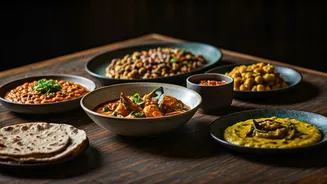
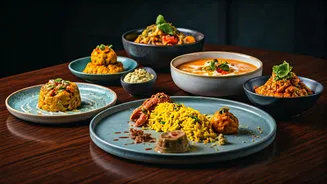
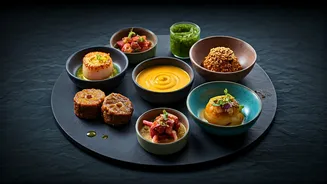
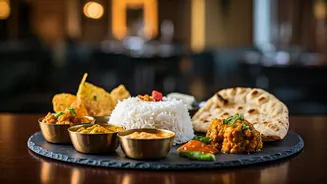
First, a quick introduction. A thali (the word simply means “plate” or “platter” in Hindi) is a foundational concept in Indian dining. It’s not one dish, but an entire meal served on a single, often round, platter. The stars of this ensemble are a collection
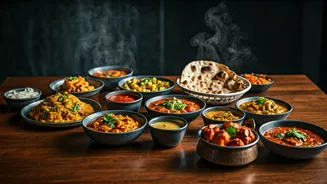
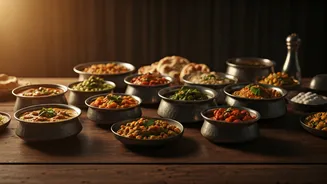
of small bowls, called katoris, each holding a different component. A typical thali is a masterclass in balance, designed to hit all six tastes of Ayurvedic tradition: sweet, salty, sour, pungent, bitter, and astringent. You’ll usually find a dal (lentils), a seasonal vegetable preparation (sabzi), perhaps a meat or fish curry, a yogurt dish (raita), a pickle (achar), and a sweet. All this is meant to be scooped up with rice and a flatbread like roti or naan. Traditionally, the thali is about wholesome, harmonious, and often regional home cooking—a complete, self-contained world of flavor.
A Star Is Born
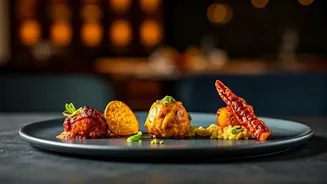
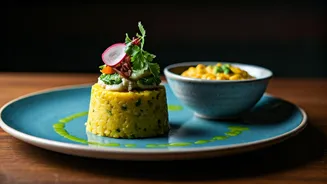
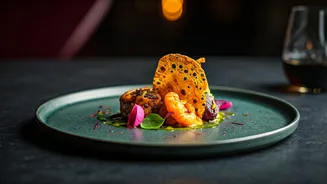
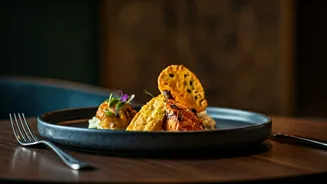
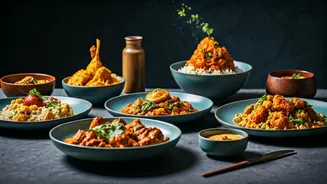
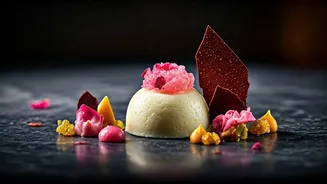
The thali’s “main character makeover” isn’t about changing its fundamental structure, but about elevating every single part of it. In the hands of modern chefs in cities like New York, Chicago, and San Francisco, the humble thali is transforming into a high-concept, prix-fixe dining experience. The rustic steel platter might be replaced by custom-made ceramics. The simple dal might feature artisanal lentils, and the vegetable curry could showcase locally sourced, peak-season produce. Instead of a standard chicken curry, you might find duck confit or pan-seared scallops nestled in a katori. It’s a shift from an everyday meal to a special occasion. This new thali is less of a buffet-on-a-plate and more of a curated tasting menu, where each small dish is executed with the precision of a fine-dining appetizer. The presentation is meticulous, designed to be admired, photographed, and posted before the first bite.
The Director's Cut: Why Now?
So why is the thali suddenly getting this star treatment? It’s a perfect storm of cultural and culinary trends. First, there’s the rise of a new generation of Indian-American chefs who are eager to tell their own stories. They grew up eating regional Indian food at home but saw a simplified, often northern-Indian-centric menu in most U.S. restaurants. For them, the thali is the perfect canvas to showcase the incredible diversity of India’s cuisines, from the coastal flavors of Kerala to the rustic fare of Rajasthan. Second, American diners have become far more adventurous. We’ve moved past the era of just chicken tikka masala and are now actively seeking authentic, specific, and high-quality culinary experiences. The chef-driven thali meets this demand perfectly. And finally, let’s be honest: social media. A well-composed thali is a feast for the eyes—a vibrant, colorful, and utterly shareable image that doubles as a restaurant’s best marketing tool.
More Than Just a Meal
This evolution is about more than just fancy ingredients; it’s a powerful act of cultural re-framing. For decades, Indian food in the U.S. was largely relegated to the “cheap eats” category, served in unassuming storefronts. The new wave of thali-centric restaurants is boldly claiming a space in the world of upscale dining. By putting a high-end spin on a traditional format, chefs are challenging perceptions and demanding that Indian cuisine be taken as seriously as French or Japanese. They are using the thali to make a statement: this food is complex, it is regional, it has a history, and it deserves to be celebrated. Each katori is not just food; it’s a chapter in a larger story, giving diners a richer, more nuanced understanding of Indian culture, one delicious platter at a time.