

The Psychology of a Warm Embrace
Our craving for warmth on a cold, wet day is deeply instinctual. Psychologically, warmth is intrinsically linked to feelings of safety, comfort, and care. Think of a hug, a cozy blanket, or a crackling fireplace—these are our foundational experiences
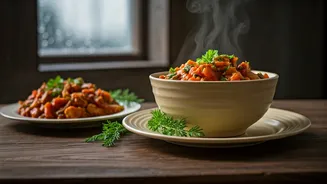
of security. When we eat a hot meal from a cold plate, the food begins to lose its heat almost immediately. The first few bites might be perfect, but the last few are often lukewarm and disappointing. A warm plate short-circuits this process. It’s a subtle act of preservation, ensuring the food provides that comforting warmth from start to finish. Holding a warm plate in your hands is, in itself, a comforting act. It grounds you in the moment and sends a signal to your brain that you are safe, settled, and about to be nourished. It’s less about thermodynamics and more about fulfilling a deep-seated human need for sustained comfort.
The Science of Better Flavor
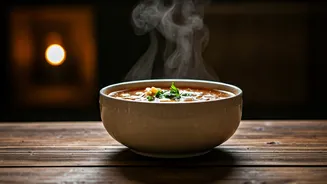
Beyond the psychological boost, there’s a genuine culinary science to warming your plates. Professional chefs do it for a reason. Temperature is a critical component of flavor perception. When hot food hits a cold ceramic surface, two things happen that diminish your dining experience. First, the food’s temperature plummets. This is especially problematic for dishes where texture is key. Sauces can break, fats in meats or stews can congeal and feel greasy on the palate, and the delicate balance of a dish can be thrown off. Second, a significant portion of what we perceive as taste is actually aroma. Volatile compounds that create the delicious smells of a stew, a pasta sauce, or roasted vegetables are released by heat. A cold plate acts as a heat sink, effectively trapping those aromas and muting the overall flavor profile of the meal. A warm plate keeps the food at its optimal temperature longer, allowing it to taste and smell exactly as the cook intended.
How to Easily Warm Your Plates
Integrating this restaurant-quality touch into your home routine is surprisingly simple and requires no special equipment. You have a few easy, safe options: 1. **The Oven Method:** If your oven is already on for cooking, this is the easiest way. Once you’re done cooking, turn the oven off and stack the plates inside for 5–10 minutes. If the oven isn’t on, you can preheat it to its lowest setting (usually 150-170°F), place the plates inside for about 10 minutes, and then turn it off. They’ll stay warm until you’re ready to serve. 2. **The Microwave Method:** This is the fastest option, but check if your plates are microwave-safe. Stack a few plates in the microwave, and for a little extra insurance, place a small cup of water alongside them. Heat them on high for 30–60 seconds. They will be hot, so handle with care. 3. **The Hot Water Method:** For a quick, low-energy solution, simply run your plates under the hottest tap water for a minute or two right before serving. Dry them thoroughly and they’re ready to go. This works especially well for a small number of plates.
Dishes That Demand a Warm Plate
While any hot meal benefits, some dishes are particularly transformed by this simple step. Think of anything with a sauce, a gravy, or a carefully calibrated texture. A rich beef stew, a creamy risotto, or a classic spaghetti Bolognese will maintain their luscious consistency far longer. Roasted chicken with pan gravy stays succulent. Even a simple dish of scrambled eggs becomes a more luxurious breakfast experience when the eggs aren't rapidly cooling and seizing up. The next time you make a braise that’s been simmering for hours or a pasta sauce you’ve lovingly tended to, give it the final presentation it deserves. Don’t let a cold piece of ceramic be the thing that stands between you and a perfect, comforting meal.