


Meet Paneer, Your New MVP
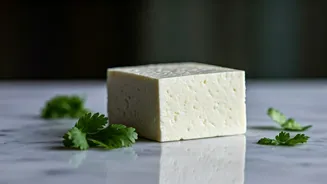
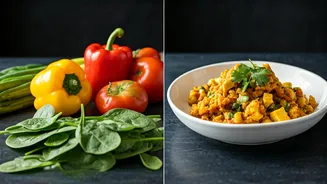
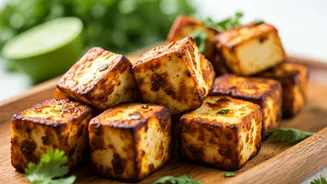
Let’s get acquainted with paneer. If you’ve ever had saag paneer at an Indian restaurant, you’ve met it before—those firm, white cubes swimming in a luscious spinach sauce. But what is it, exactly? Paneer is a fresh, unaged cheese made by curdling milk
with a food acid like lemon juice or vinegar. Unlike most cheeses, it contains no salt and, crucially, it doesn’t melt. When heated, it becomes soft and creamy on the inside while developing a beautiful golden-brown crust on the outside. Think of it as a culinary chameleon. Its flavor is incredibly mild and milky, which means it’s a perfect canvas for whatever you throw at it. It won’t overpower your dish; instead, it eagerly soaks up marinades, spices, and sauces. Its texture is its true superpower: firm, slightly springy, and satisfyingly dense, providing a substantial bite that can stand in for meat in almost any preparation. It's not crumbly like feta or stretchy like mozzarella; it’s a category all its own.
A South Asian Kitchen Staple
In the United States, paneer might feel like a new discovery, but in India and across the South Asian diaspora, it’s a cornerstone of vegetarian cuisine. For millions of people, paneer isn’t a substitute; it’s the star. It provides the protein-rich heart of countless beloved dishes, from the rich, tomato-based gravy of paneer butter masala to the smoky, charred flavors of paneer tikka, where cubes are marinated in yogurt and spices before being grilled in a tandoor oven. Its presence is a testament to the ingenuity of a culinary tradition that has mastered plant-based and dairy-based cooking. Because it’s a fresh cheese that’s easy to make at home, it has been a reliable source of protein for generations. This isn’t a trendy health food; it’s a time-honored ingredient woven into the fabric of daily meals and celebratory feasts alike.
The Protein Powerhouse
The “protein-rich” part of the headline is no exaggeration. Paneer is a nutritional heavyweight, especially for a vegetarian option. A standard serving packs a significant amount of protein, which is essential for muscle repair, and is also a good source of calcium. This makes it an incredibly satisfying addition to any meal, helping you feel full and fueled without the heaviness that can come with some traditional summer barbecue fare. For anyone looking to reduce their meat consumption or simply diversify their protein sources, paneer is a game-changer. It offers the textural satisfaction that many people miss when they skip meat, but with a lighter feel. It bridges the gap between a light salad and a heavy steak, offering a happy medium that’s both nourishing and delicious.
Perfect for Summer Grilling
This is where paneer truly earns its “summer hero” status. Because it doesn’t melt, it’s an absolute dream on the grill. While other cheeses would turn into a gooey mess, paneer holds its shape beautifully. You can cut it into thick planks or cubes, skewer it with vegetables, and place it directly on the grill grates. It develops gorgeous char marks and a smoky flavor that’s nothing short of addictive. Imagine skewers of bell peppers, onions, and yogurt-marinated paneer, sizzling over charcoal. Or thick, grilled planks of paneer served atop a fresh arugula salad with a lemon-herb vinaigrette. It’s a lighter, brighter alternative for cookouts that still feels hearty and special. Its ability to absorb marinades means you can infuse it with any flavor profile you crave, from classic BBQ to spicy chili-lime or herbaceous chimichurri.
How to Get Started
Ready to give it a try? You can find paneer in the dairy or international section of most major supermarkets, and it’s always available at Indian grocery stores. It typically comes in a block, sealed in water. For the best results, especially for grilling or pan-frying, press it first. Simply wrap the block in paper towels, place it on a plate, and put something heavy on top (like a cast-iron skillet or a few cans) for about 20-30 minutes. This removes excess moisture and ensures a better, crispier sear. Once pressed, cut it into your desired shape and marinate it for at least 30 minutes. A simple mix of yogurt, ginger, garlic, turmeric, and cumin is a classic starting point. From there, you can pan-fry it until golden, thread it onto skewers for the grill, or crumble it into scrambled eggs. Don't be afraid to experiment—paneer is forgiving and versatile.