
Beyond the Anglo-Indian Buffet
Let’s be honest: when you think of going out for Indian food, a certain checklist probably pops into your head. Chicken tikka masala, saag paneer, maybe a lamb vindaloo if you’re feeling spicy, all scooped up with a piece of pillowy garlic naan. This
is the holy trinity for millions of American diners, and for good reason—it’s delicious. But it’s also not the whole story. In fact, it’s barely a single chapter. This familiar menu is largely a product of Punjabi cuisine, filtered through a British lens and exported to the West. It was designed to be approachable and consistent, a culinary handshake for a country unfamiliar with the subcontinent's vastness. For decades, restaurateurs operated under the assumption that the American palate wasn’t ready for the funky, fiery, or truly regional flavors of India. But that assumption is finally being put to the test.
A Map on a Plate
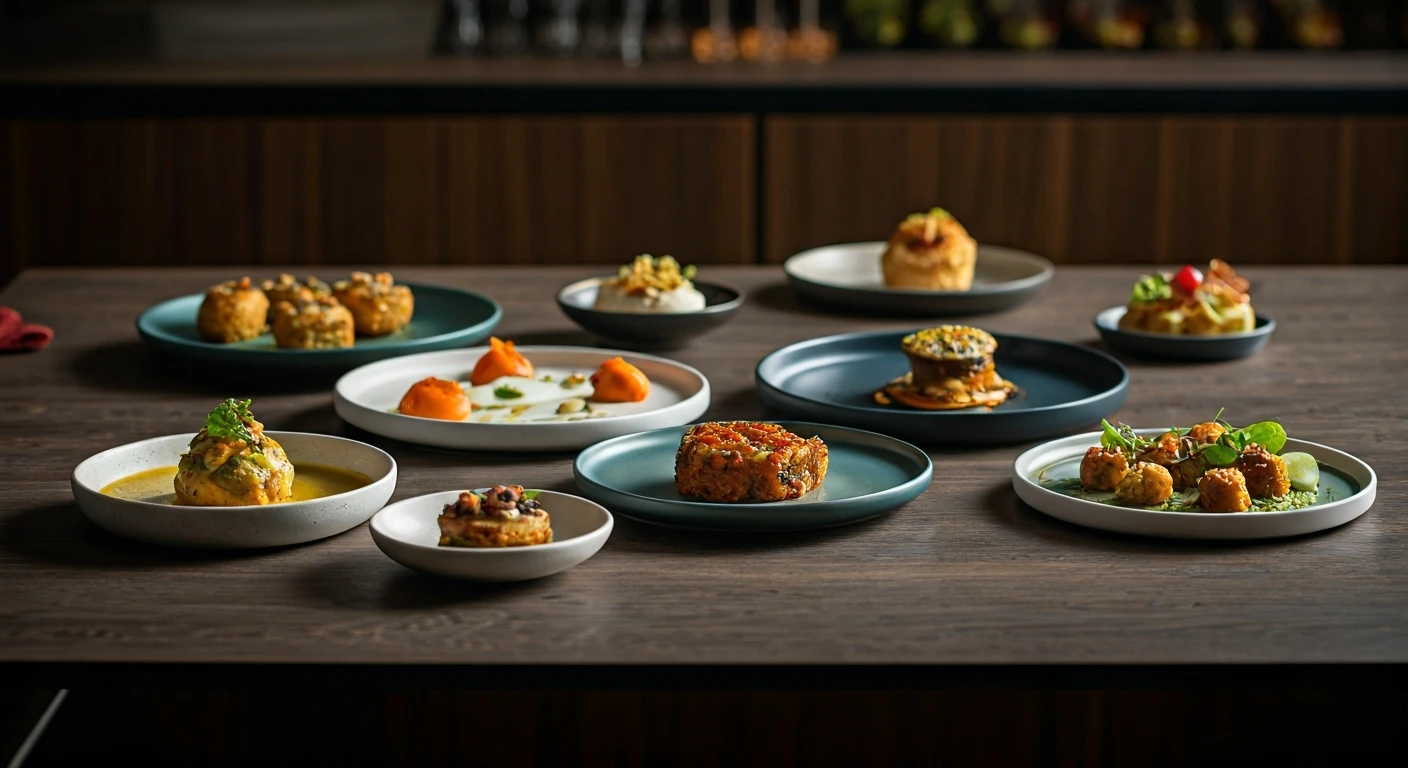
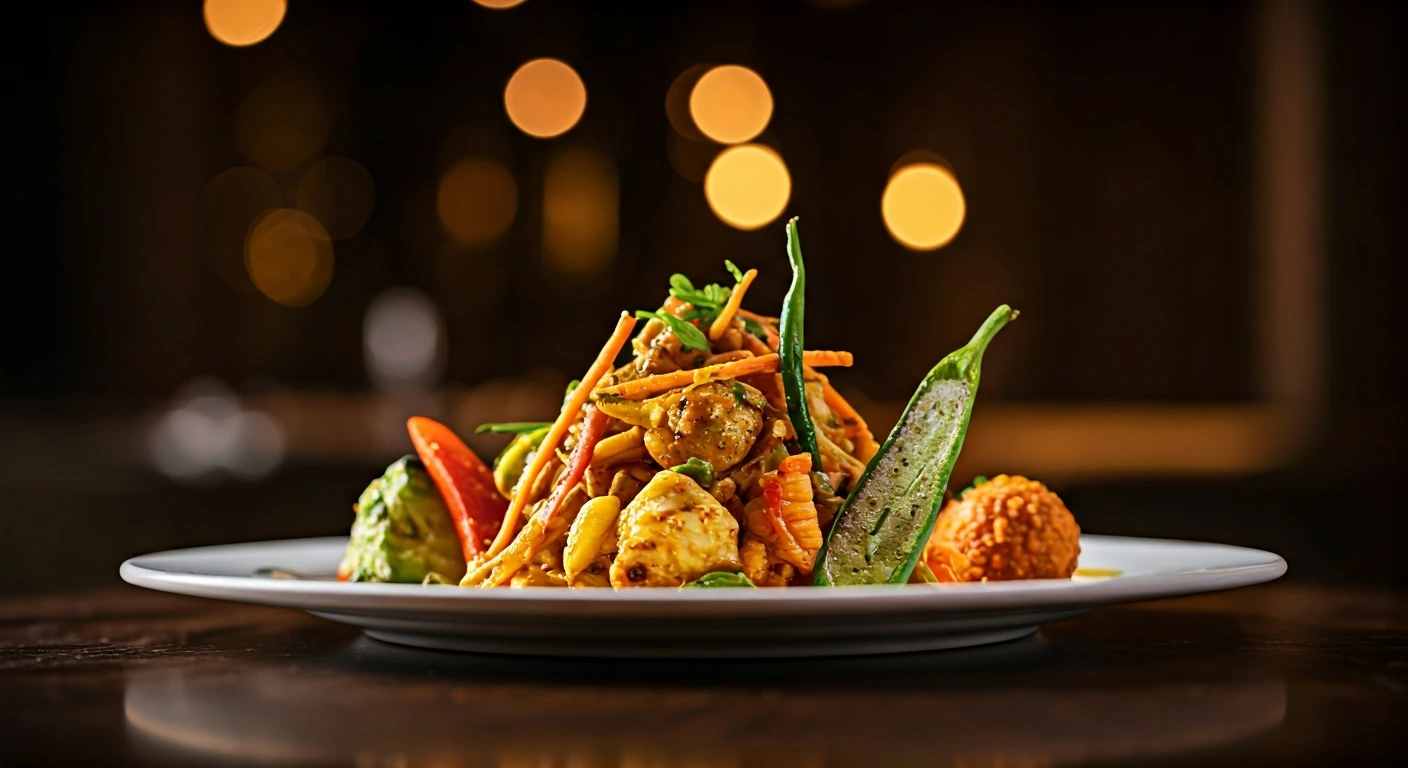
So what does “hyperlocal” actually mean? It means understanding that India isn’t a culinary monolith. It’s a subcontinent with at least 28 states, each with its own language, culture, and, most importantly, its own distinct kitchen. The food of coastal Kerala, rich with coconut, tamarind, and fresh seafood, bears little resemblance to the robust, meat-heavy Wazwan feasts of Kashmir. The delicate, steamed vegetarian snacks of Gujarat are a world away from the pungent, mustard-oil-laced fish dishes of Bengal. This new movement is about putting that map on the plate. It’s about restaurants that don’t just serve “Indian food” but proudly declare they are serving the food of Tamil Nadu, or Maharashtra, or Goa. It’s a shift from a menu that tries to please everyone to one that seeks to tell a specific story—of a family, a village, or a region that has been overlooked by the mainstream.
The Chefs Leading the Charge
This culinary shift isn’t happening by accident. It’s being driven by a new generation of chefs, many of them second-generation Indian Americans, who are tired of hiding their heritage behind a wall of creamy, mild curries. They are digging into their own family recipes and regional histories to present what some call “unapologetic” Indian food. Take, for instance, the explosive popularity of restaurants like New York City’s Dhamaka, which focuses on the “forgotten” provincial dishes from across India, or Semma, which earned a Michelin star for celebrating the rural, southern Indian cooking of its chef’s home state of Tamil Nadu. These kitchens aren’t toning down the spice or shying away from unfamiliar ingredients. Instead, they are betting that diners are ready for the real deal—and the long waiting lists for a table prove they are right.
Why Now? An Evolving Palate
Several factors are fueling this hyperlocal boom. American diners are more adventurous than ever, their curiosity stoked by travel shows, food blogs, and Instagram feeds filled with exotic dishes. There's a growing appreciation for authenticity and storytelling in food; people don't just want to eat a meal, they want to know its origin. Furthermore, there's a powerful cultural element at play. For many Indian American chefs, cooking and sharing the specific foods of their parents and grandparents is an act of cultural reclamation. It’s a way to proudly assert their identity in a country that once asked them to homogenize it. This isn't just about food; it's about representation, pride, and the confidence that the complex, diverse, and thrilling flavors of home deserve a spot on America’s biggest culinary stages.