


The Golden Gateway: Haldi Doodh
You might know it as a “turmeric latte,” the golden-hued drink that has become a staple in wellness cafes across the U.S. But long before it was a trendy $7 beverage, it was *haldi doodh*, a staple in Indian households for generations. This simple concoction
of warm milk, turmeric, and often a pinch of black pepper and ginger is the ultimate comfort drink, traditionally given to soothe coughs, fight off colds, and ease inflammation before bed. The “benefit” here comes primarily from curcumin, the active compound in turmeric, which is a potent anti-inflammatory and antioxidant. The black pepper is crucial, as it contains piperine, a substance that dramatically increases the body's ability to absorb curcumin. It’s the original wellness latte, perfected over centuries.
The Coastal Cooler: Solkadhi
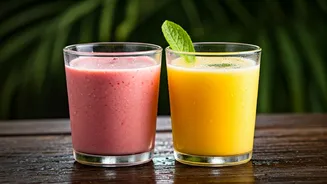
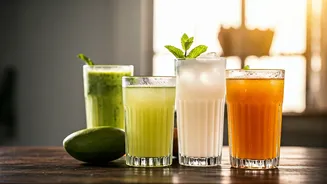
Imagine a drink that’s savory, tangy, and a stunning shade of pastel pink. That’s *solkadhi*. Hailing from the coastal regions of Maharashtra and Goa, this unique beverage is made from coconut milk and the juice of dried kokum fruit, a souring agent common in the region. It’s traditionally served as a digestive after a rich, spicy meal. The coconut milk provides a cooling, soothing effect on the palate, while the kokum is prized in Ayurveda for its ability to combat acidity and improve appetite. It’s a beautiful example of how Indian cuisine uses beverages not just for hydration, but as an integral part of the digestive process, balancing the heat of the food with a functional, flavorful sip.
The Probiotic Powerhouse: Kanji
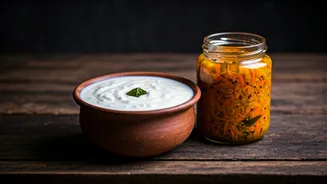
Before kombucha became the fermented darling of the health food world, there was *kanji*. This North Indian beverage is a masterclass in turning humble vegetables into a tangy, probiotic-rich tonic. Traditionally made with black carrots during the winter months (or beets as a substitute), the drink is prepared by fermenting the vegetables in water with salt and mustard seeds for several days. The result is a savory, sour, and slightly pungent drink teeming with beneficial bacteria. In a modern context, *kanji* is the ultimate gut-health hero. It's a natural, food-based probiotic that aids digestion and boosts immunity, making it a perfect example of ancient wisdom aligning with contemporary wellness goals.
The Zesty Appetizer: Jaljeera
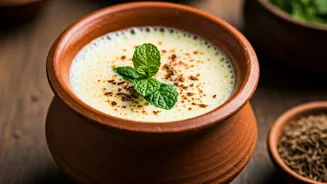
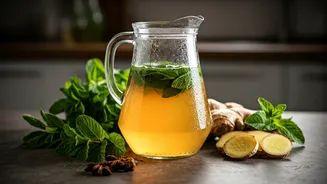
Literally translating to “cumin water,” *jaljeera* is so much more than its name implies. This zesty, refreshing drink is a symphony of spices designed to awaken the senses and kickstart digestion. The base is a blend of roasted cumin, black salt (*kala namak*), ginger, mint, and dried mango powder (*amchur*), mixed into chilled water. It’s often served as a welcome drink or an appetizer, with its tangy and slightly spicy profile intended to whet the appetite before a meal. The benefits are all in the spice blend: cumin and ginger are renowned digestive aids, mint provides a cooling effect, and black salt is believed to help with bloating. It’s the ultimate natural alternative to a pre-dinner cocktail, designed to prepare your body for the feast to come.
The Festive Elixir: Thandai
If other drinks are for daily wellness, *thandai* is for celebration. Strongly associated with festivals like Holi and Shivaratri, this rich, creamy drink is a complex and luxurious blend of milk, nuts (almonds, pistachios), seeds (poppy, fennel, melon), and fragrant spices like cardamom and rose petals. It's designed to be both cooling and nourishing. Traditionally, it was prepared to provide energy and cool the body down during the onset of India's hot season. The nuts provide protein and healthy fats, fennel aids digestion, and poppy seeds are thought to have a calming effect. Think of it as a medieval-era protein shake, but infinitely more delicious and aromatic. It’s a perfect reminder that in Indian culture, even celebratory indulgence comes with benefits.