


From Personal Passion to Public Good
For years, the rewards of home gardening have been deeply personal: the taste of a sun-warmed tomato, the satisfaction of watching a seed sprout, and the quiet therapy of tending to something green. But a significant shift is underway. Municipalities,
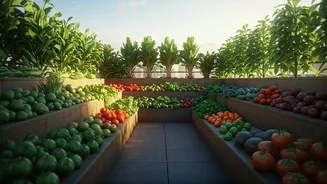
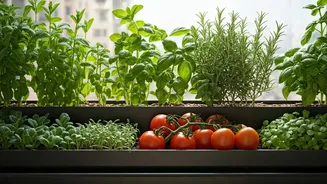
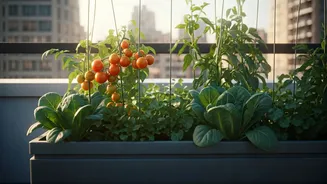
horticultural societies, and university extension programs across the country are recognizing that these small, private acts have a massive public benefit. A collection of balcony herb gardens can support local pollinators. A well-tended community plot can improve neighborhood food security. A beautiful front-yard vegetable patch can inspire others and build community pride. This growing awareness is transforming the humble home garden from a personal pastime into a celebrated act of civic and environmental stewardship. Your efforts are no longer invisible; they're seen as a vital part of creating healthier, greener, and more connected communities.
What 'Official Recognition' Actually Looks Like
The phrase "Official State Awards" might conjure images of a formal gala, but the reality is often more accessible and community-focused. These recognition programs come in many forms. For example, the Pennsylvania Horticultural Society (PHS), one of the nation's oldest, runs a celebrated "Gardening and Greening Contest" that recognizes everything from vibrant flower boxes to productive vegetable gardens and transformed public spaces. Similarly, many city parks departments, like NYC Parks' GreenThumb program, hold annual contests for community gardeners. On another level, university-led Master Gardener programs, such as those run by the University of California system, often present 'Master Gardener of the Year' awards to volunteers who excel in community education and sustainable practices. These aren't just about the prettiest plants; they often celebrate sustainability, community involvement, and educational impact.
How to Position Your Garden for Praise
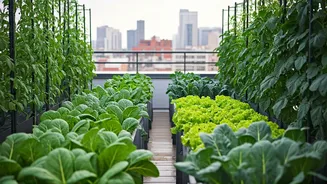
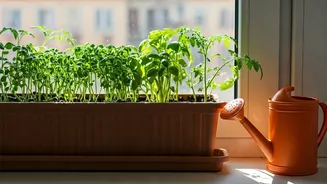
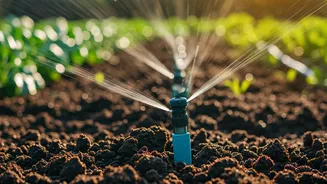
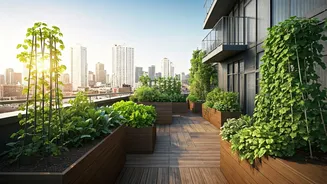
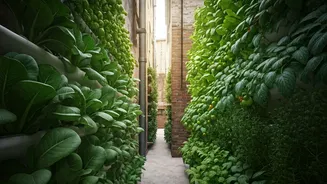
If you're interested in having your own green corner recognized, it's helpful to understand what judges and committees are often looking for. While criteria vary, several themes are common. First is community impact: Does your garden benefit others? This could mean sharing your harvest with neighbors, creating a welcoming space that beautifies the block, or mentoring new gardeners. Second is sustainability: Judges love to see practices like composting, rainwater harvesting, planting native species to support wildlife, and avoiding chemical pesticides. Documenting these efforts can be a huge plus. Third is creativity and ingenuity, especially in challenging urban spaces. A well-designed vertical garden on a tiny balcony or a clever use of recycled containers demonstrates thoughtful problem-solving. Finally, a clear purpose—whether it’s growing food for your family, creating a pollinator haven, or simply adding beauty to a neglected corner—gives your garden a compelling story.
Beyond the Certificate: The Real Prize
While winning an award is a wonderful validation of your hard work, the gardeners who participate in these programs almost universally agree that the recognition itself isn't the main goal. The real prize is the process. Preparing an application often encourages you to reflect on your gardening journey—what you’ve learned, the challenges you’ve overcome, and the impact you’ve had. It connects you with a wider community of like-minded people, creating networks for sharing seeds, tips, and encouragement. These programs elevate the conversation around urban gardening, showing non-gardeners that a few pots on a patio can be a powerful force for good. The certificate or plaque is a symbol, but the true reward is seeing your personal passion amplified into a recognized and respected community asset.