



The Promise and the Peril
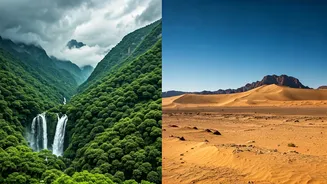
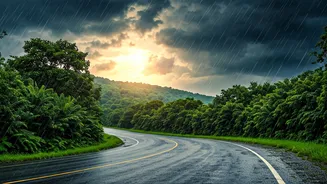
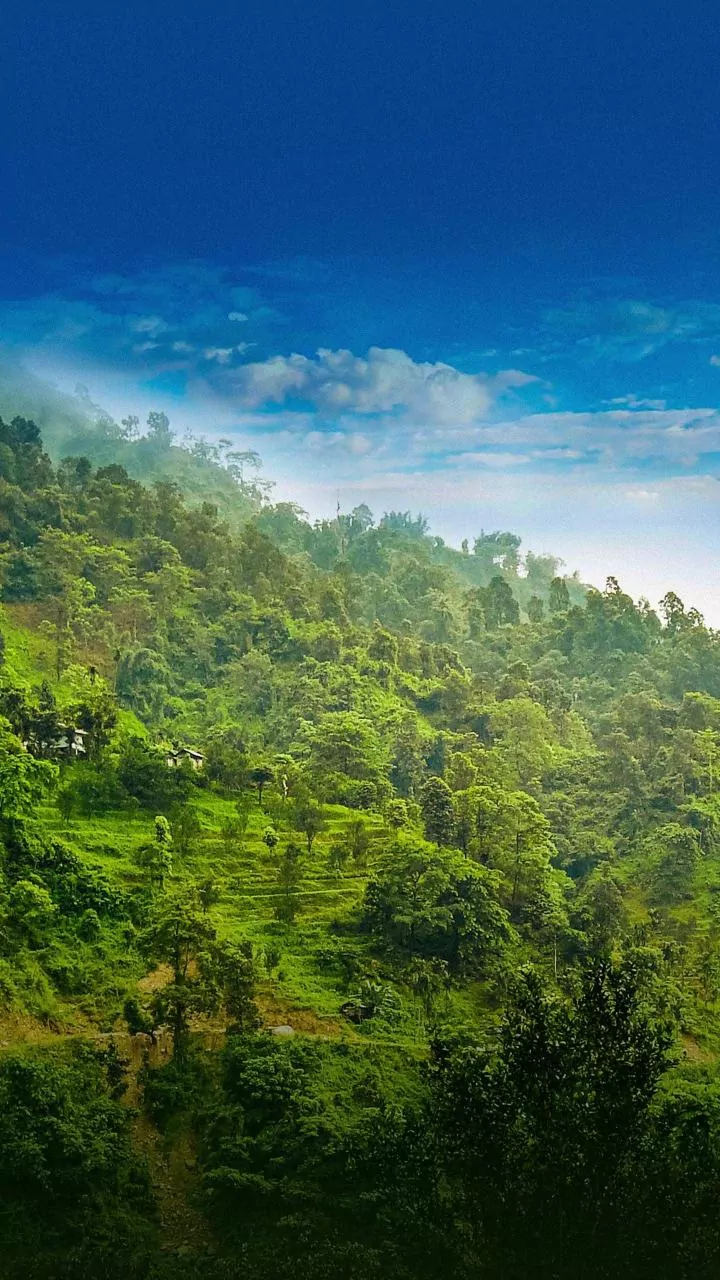
For roughly four months, from June to September, the Indian subcontinent undergoes a dramatic transformation. The monsoon is the country’s lifeblood, replenishing wells and turning parched, dusty landscapes into a riot of emerald green. The scent of petrichor—that
earthy smell of rain on dry soil—fills the air. Waterfalls thunder back to life in the Western Ghats, the lakes of Rajasthan fill to the brim, and tourist-heavy cities breathe a sigh of relief as crowds thin out. This is the promise of the monsoon: a quieter, lusher, and often cheaper time to visit. But this seasonal rebirth is delivered with overwhelming force. The ‘mood swings’ of the monsoon are not gentle shifts; they are dramatic, unpredictable, and powerful. A light, cooling drizzle can become a torrential downpour in minutes, causing flash floods that turn streets into canals. What looks like a minor storm on a weather app can ground flights for a day, wash away a rural road, or trigger landslides in hilly regions, effectively cutting off entire towns.
Why Your Perfect Plan Will Fail
American travelers, accustomed to clockwork efficiency and predictable infrastructure, often build itineraries with tight connections and back-to-back activities. In monsoon India, this is a recipe for frustration. A two-hour drive can easily become an eight-hour ordeal. That domestic flight you booked to make a temple tour might be delayed, cancelled, or diverted, leaving you stranded. Trains, while a romantic way to see the country, often run on heavily delayed schedules due to waterlogged tracks.
Your meticulously planned day of sightseeing can be a complete washout. Parks, outdoor markets, and even some monuments may close with little notice due to flooding or safety concerns. The expectation of checking off five sights before dinner must be replaced with the reality of maybe, just maybe, making it to one and spending the rest of the day watching the rain from a cafe. Rigidity is the enemy; the monsoon demands surrender.
Embrace the Art of the Detour
The key to a successful monsoon trip is not to fight the chaos, but to build a trip around it. Instead of a rigid A-to-B-to-C plan, think in terms of regions and hubs. Base yourself in a city for several days, building in ‘do-nothing’ buffer days. If your planned day trip to a fort is rained out, your backup plan isn't another frantic journey—it's exploring a local market, taking a cooking class, or visiting a museum.
This approach turns a disruption into an opportunity. A cancelled train might lead you to discover a small, charming town you would have otherwise sped past. A rain-soaked afternoon is the perfect excuse to linger over endless cups of masala chai and samosas, watching the world go by. Talk to locals; they have a lifetime of experience with the monsoon's rhythm and can often suggest the best way to spend a rainy day. Let go of the checklist and you’ll find the real India revealing itself in the unplanned moments.
Choosing Your Monsoon Destination Wisely
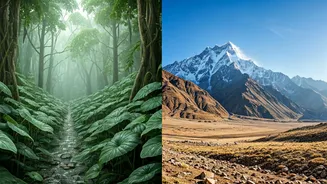
Not all of India experiences the monsoon equally. Strategic planning can help you enjoy the atmosphere without facing the worst of the disruptions. Southern states like Kerala and Goa are famously beautiful during the monsoon but are also extremely wet; go here for the lush scenery, but expect heavy rain and plan to stay put. The desert state of Rajasthan receives far less rainfall, and the storms that do arrive transform the arid landscape into a green oasis, making it a surprisingly good monsoon bet.
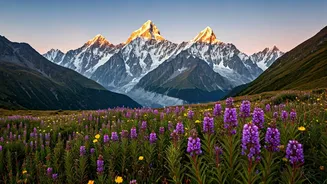
Conversely, mountainous regions like Himachal Pradesh and Uttarakhand in the Himalayas can be treacherous, with a high risk of landslides. It’s best to avoid them during peak monsoon. The ultimate escape? Head to the rain shadow regions. Ladakh, a high-altitude desert in the far north, remains almost completely dry, offering clear blue skies and spectacular mountain views while the rest of the country is under cloud cover.