




The Magic Is in the Method
Let’s reframe the one-pot meal. It’s not about laziness; it’s about efficiency and depth of flavor. When you cook everything in a single vessel, nothing is wasted. The browned bits from searing your chicken become the foundation of your sauce. The starches
from your pasta or rice naturally thicken the cooking liquid, creating a velvety texture you can't replicate otherwise. Every ingredient has a conversation with the others, their flavors melding and deepening over time. A great one-pot dish isn't a jumble of components tossed together; it's a symphony where each part contributes to a cohesive, satisfying whole. This method simplifies your process, yes, but its true genius lies in the delicious, layered result.
Choose Your Vessel Wisely
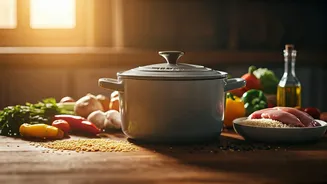
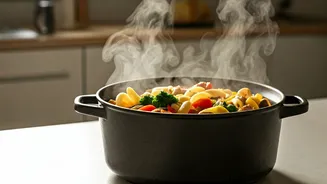
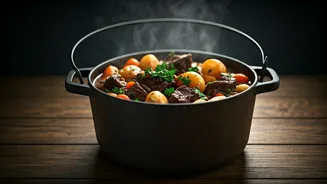
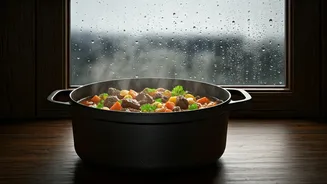
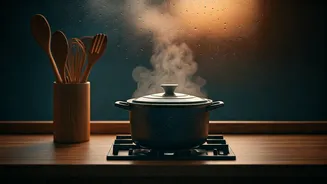
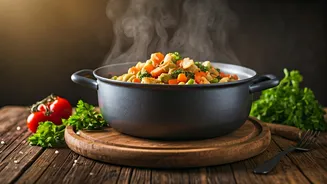
While technically any pot can be a “one pot,” the right tool makes the job infinitely easier and yields better results. Your best friend here is a heavy-bottomed Dutch oven or a large, deep skillet with a tight-fitting lid. The heavy base provides even heat distribution, which is crucial for searing meat without scorching and gently simmering sauces without sticking. Cast iron, whether enameled or traditional, is the gold standard because it retains heat beautifully. A 5-to-7-quart Dutch oven is versatile enough for everything from a creamy pasta dish to a hearty stew for four. If you're working with a skillet, make sure its sides are high enough to contain liquids and prevent splatters. While sheet pans and Instant Pots also fall under the one-vessel umbrella, the stovetop skillet or Dutch oven offers the most control for building flavor from the ground up.
The Formula: How to Layer Flavor
Successful one-pot cooking follows a simple, repeatable pattern. Think of it as building a house from the foundation up. 1. **Sear Your Protein:** Start by browning your chicken thighs, sausage, or beef in a little oil over medium-high heat. This step, creating what chefs call a 'fond,' is non-negotiable. It builds the savory, caramelized base of your entire dish. Once browned, remove the protein and set it aside. 2. **Sauté the Aromatics:** Lower the heat and add your flavor-builders—diced onion, carrots, and celery. Cook until softened, scraping up those browned bits from the bottom of the pan. Add garlic, spices, or tomato paste and cook for another minute until fragrant. 3. **Deglaze and Build the Sauce:** Pour in a splash of liquid—wine, broth, or even water—and use a wooden spoon to scrape the bottom of the pot clean. All that flavor is now incorporated into your sauce. Add the rest of your liquid, along with any grains like rice or orzo. 4. **Simmer and Finish:** Bring the liquid to a simmer, return the protein to the pot, cover, and let it cook. The timing here is key. Add quick-cooking components like pasta or tender vegetables toward the end to prevent them from turning to mush.
Get Started with These Archetypes
Instead of a rigid recipe, think in templates. Once you master the pattern, you can improvise with whatever you have on hand. * **The Skillet Chicken and Rice:** Sear chicken thighs, then set aside. Sauté onions and garlic, toast some long-grain rice, then add chicken broth. Nestle the chicken back on top, cover, and simmer until the rice is tender and the chicken is cooked through. Wilt in a few handfuls of spinach at the very end. * **The Creamy Tomato Pasta:** Sauté sliced Italian sausage and garlic. Add canned crushed tomatoes, broth, and a splash of cream. Bring to a simmer, then stir in your dry short-cut pasta (like penne or rigatoni). Cook, stirring occasionally, until the pasta is al dente and has absorbed most of the liquid, creating its own sauce. * **The Weeknight Lentil Stew:** Sweat onions, carrots, and celery. Add garlic and spices like cumin and coriander. Stir in brown or green lentils, a can of diced tomatoes, and vegetable broth. Simmer for 30-40 minutes until the lentils are tender. Finish with a squeeze of lemon juice and fresh parsley.