







Treat Your Scalp Like Your Face
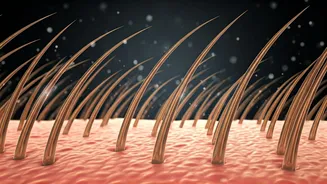
The most overlooked part of any haircare routine is the scalp, but dermatologists insist it’s the foundation for healthy hair. Think of it this way: your scalp is skin, just like the skin on your face. It has pores, produces oil (sebum), and sheds dead
cells. When it’s clogged with product buildup, excess oil, and dead skin, it can lead to inflammation, flaking, and even inhibit healthy hair growth. A clean, balanced scalp provides the best environment for hair follicles to thrive. Dermatologists recommend regularly clarifying your scalp, especially if you use a lot of dry shampoo or styling products. This doesn't mean using harsh, stripping scrubs. Instead, look for shampoos with gentle exfoliants like salicylic acid or ingredients that soothe inflammation, such as tea tree oil or ketoconazole for dandruff, to keep the follicle environment healthy and clear.
Focus Shampoo on Roots, Conditioner on Ends
It sounds simple, but experts see people get this wrong all the time. Shampoo is a cleanser designed to remove dirt, oil, and product buildup. Its primary job is to clean the scalp. When you wash your hair, concentrate the lather at the roots where oil is most concentrated. The rest of your hair will get cleansed as you rinse the suds out. Piling shampoo on your ends can strip them of necessary moisture, leading to dryness and frizz. Conversely, conditioner is designed to hydrate, smooth the hair cuticle, and protect the strands from damage. The hair at your ends is the oldest and most fragile. Applying conditioner there restores moisture where it’s needed most. Applying it heavily at the roots can weigh hair down, make it look greasy faster, and even contribute to scalp buildup.
Understand Your Ingredients
You don't need a chemistry degree to read a label, but knowing a few key ingredients can transform your hair health. Sulfates (like Sodium Lauryl Sulfate) are powerful detergents that create that satisfying lather, but they can be too harsh for many, stripping natural oils and fading color. For dry, color-treated, or sensitive scalps, a sulfate-free shampoo is often a better choice. On the other hand, silicones (like dimethicone) are common in conditioners and styling products. They coat the hair shaft to reduce frizz and add shine, but some types can build up over time, requiring a clarifying shampoo to remove. Experts also point to the benefits of ingredients like hyaluronic acid for hydration, ceramides to fortify the hair cuticle, and antioxidants to protect from environmental damage.
Be Gentle, Especially When Wet
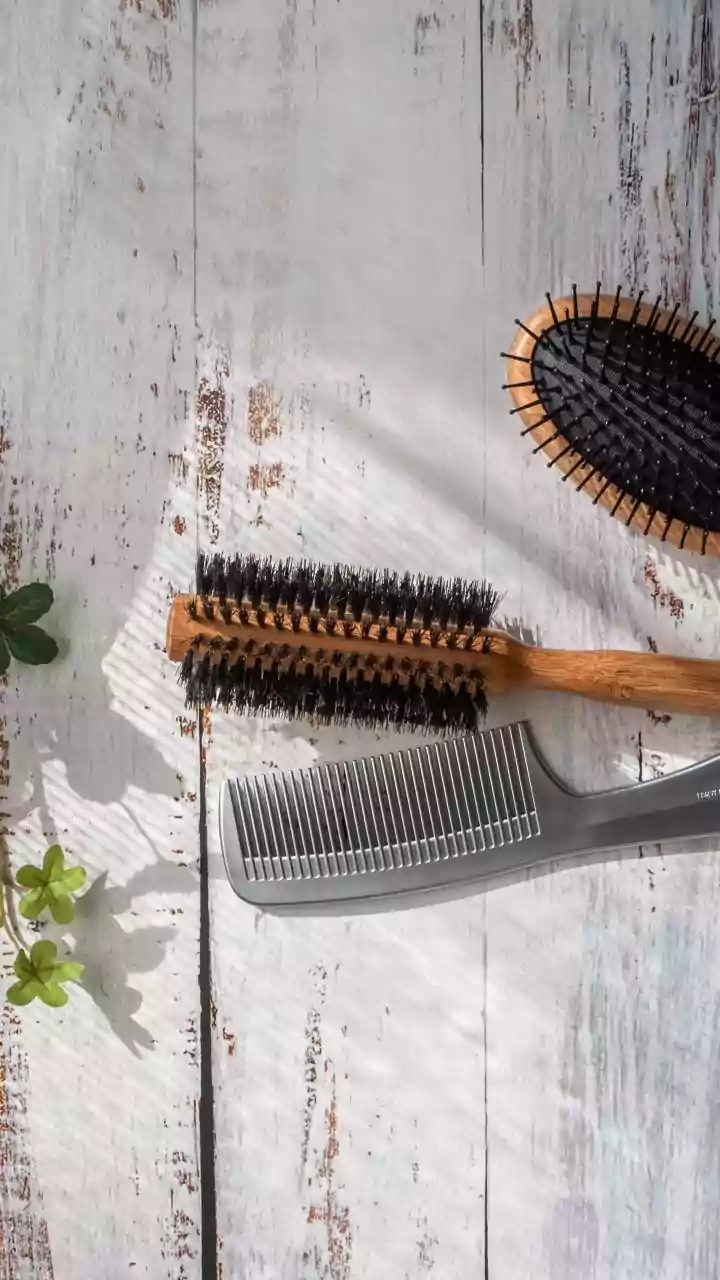
Hair is at its most vulnerable when it's wet. The water causes the hair shaft to swell, making the protective outer layer, the cuticle, lift up. This makes it much more susceptible to stretching and snapping. Aggressively towel-drying your hair with a rough cotton towel creates friction that can rough up the cuticle and cause frizz and breakage. Dermatologists recommend gently squeezing out excess water with your hands, then patting it dry with a soft microfiber towel or an old cotton t-shirt. Similarly, brushing wet hair with a standard bristle brush is a recipe for damage. If you need to detangle, do it in the shower after applying conditioner, using a wide-tooth comb or your fingers, starting from the ends and working your way up to the roots.
Protect Your Hair from the Sun
We're diligent about applying sunscreen to our skin, but the scalp and hair are often forgotten. Just like UV rays damage skin, they can also damage your hair. UVA and UVB radiation can degrade the protein structure of the hair, leading to discoloration, brittleness, split ends, and overall weakness. It also damages the scalp, which can impact the hair follicle. Dermatologists advise wearing a wide-brimmed hat when you’re in the sun for extended periods. There are also hair products formulated with UV filters that can offer a layer of protection, acting like sunscreen for your strands. This is especially important for color-treated hair, as sun exposure is one of the fastest ways to fade your expensive dye job.