



A Real Bed and a Hot Shower
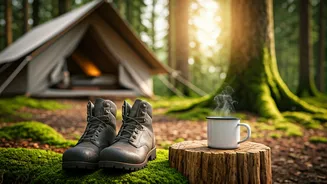
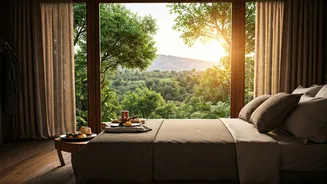
Let’s start with the most obvious upgrade: the accommodations. While traditional camping involves wrestling with tent poles and sleeping bags, a wildlife lodge provides a sanctuary of comfort. Imagine ending a long day of hiking not with a struggle to
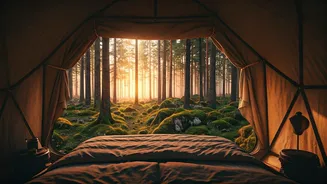
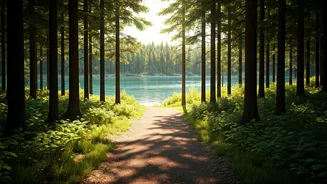
start a fire in the damp, but by sinking into a plush bed with high-thread-count sheets. These lodges replace the lumpy ground with proper mattresses, shared bunkhouses with private rooms, and a frantic search for a usable restroom with an ensuite bathroom featuring a hot, high-pressure shower. It’s the foundational difference that transforms a trip from an endurance test into a restorative retreat. You get all the benefits of waking up to the sound of birdsong and the scent of pine, but you’ve had a genuinely restful night’s sleep to prepare you for the day’s adventures.
Gourmet Dining, Minus the Cleanup
Campfire cooking has its charms, but it also involves careful planning, tedious prep, and a lot of cleanup with limited resources. Wildlife lodges elevate the culinary experience from a chore to a highlight. Many feature on-site restaurants or communal dining halls where professional chefs prepare multi-course meals, often highlighting local and seasonal ingredients. Instead of dehydrated chili, you might find grilled trout, bison steaks, or wild berry cobbler on the menu. Breakfasts are hearty affairs designed to fuel a day of exploration, and packed lunches are often provided for your excursions. You get to enjoy delicious, satisfying food in a cozy dining room—often with a spectacular view—without ever having to wash a single pot or pan.
Guided Expertise on Demand
Navigating unfamiliar trails, identifying flora and fauna, and knowing where to safely spot wildlife can be daunting for casual adventurers. One of the greatest comforts offered by a lodge is access to local expertise. Most establishments have staff guides who lead daily excursions, from gentle nature walks to more strenuous peak ascents. These guides take the guesswork and risk out of exploring. They know the best trails, the safest routes, and the hidden spots where you’re most likely to see a moose or an eagle. This built-in service not only enhances your safety but also deepens your connection to the environment. You learn about the ecosystem from a knowledgeable source, turning a simple hike into an educational and enriching experience.
An All-Weather Base of Operations
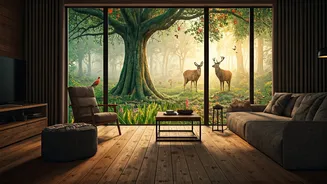
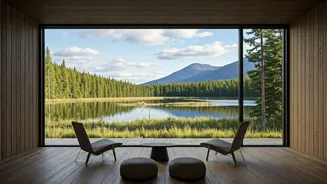
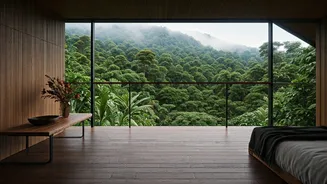
A sudden downpour or an unexpected cold snap can ruin a camping trip, forcing you to huddle in a cramped, damp tent. A lodge, however, is an all-weather haven. If the elements turn against you, you have a warm, dry, and spacious place to wait it out. You can read a book by a large stone fireplace, play a board game in the common area, or simply watch the storm roll across the valley from a picture window. This reliability makes planning a trip far less stressful. You don't have to cancel your plans due to a questionable forecast. The lodge provides a comfortable and engaging environment regardless of what’s happening outside, ensuring your vacation time is never wasted.
Connection and Community (If You Want It)
While solitude is a key appeal of the wilderness, sometimes it’s nice to share the experience with others. Unlike the isolation of a remote campsite, a lodge offers a social dimension. The communal great rooms, bars, and dining areas are natural gathering spots where you can swap stories with fellow travelers from around the country. It’s a low-pressure way to meet like-minded people who share your appreciation for nature. This blend of private retreat and social hub offers the best of both worlds: you can spend your days in quiet contemplation on the trail and your evenings enjoying a drink and conversation by the fire. It’s a layer of comfort that’s social, not just physical.