
The Rise and Fall of Diversity
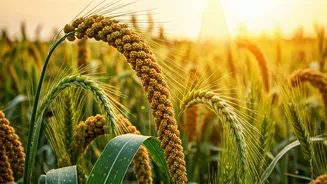
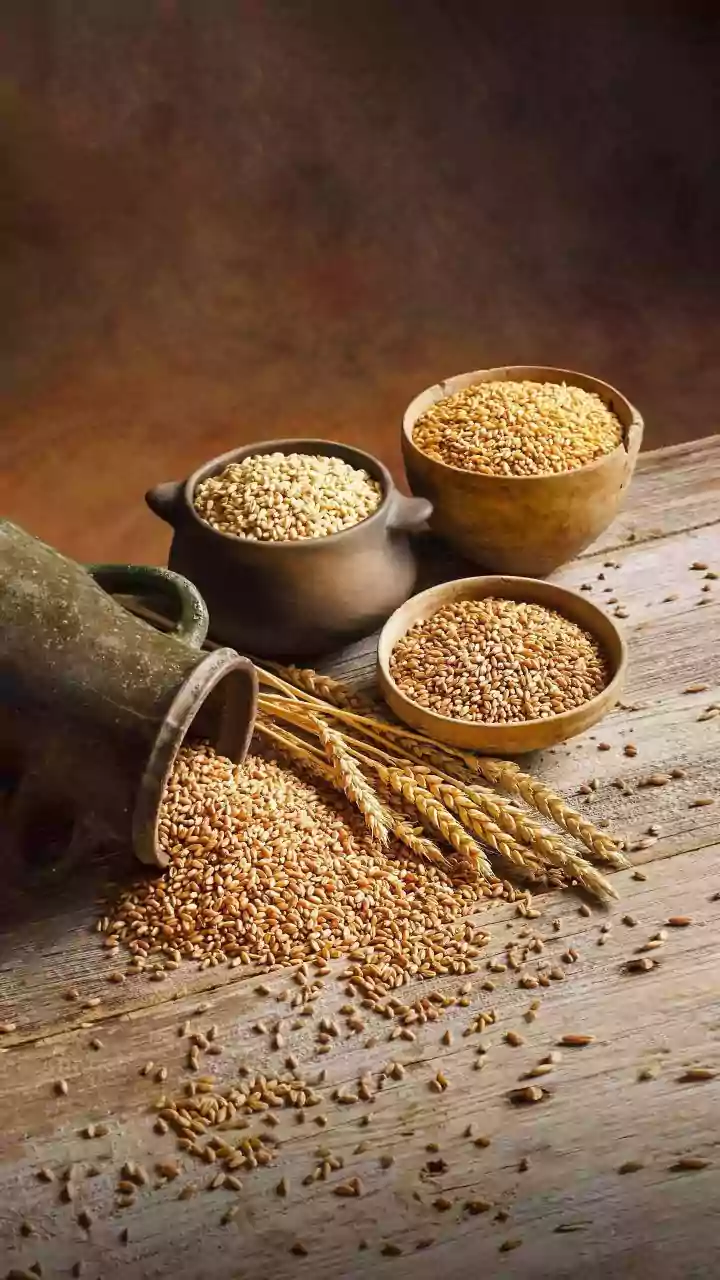
For generations, India’s culinary landscape was a rich tapestry of regional grains and legumes. Sorghum (jowar), pearl millet (bajra), and finger millet (ragi) were staple foods, perfectly adapted to local climates. But the Green Revolution of the 1960s,
while critical for preventing famine, changed everything. It prioritized high-yield, water-intensive crops like wheat and rice. Government subsidies and a new, modern image made these two grains aspirational. Suddenly, the hearty millets and diverse beans that sustained communities for centuries were seen as “poor people’s food,” relegated to rural areas and fading from urban memory. The result was a less diverse national plate, more dependent on refined carbohydrates and vulnerable to the whims of climate.
A Nutritional and Sustainable Comeback
So why the rediscovery now? It’s a perfect storm of health consciousness, climate anxiety, and cultural pride. As lifestyle diseases like diabetes and gluten sensitivity rise, Indians are seeking healthier alternatives. Millets are a powerhouse: naturally gluten-free, high in fiber and protein, and with a low glycemic index. They offer sustained energy without the blood sugar spike of refined grains. At the same time, their environmental credentials are a major selling point. These are “climate-smart” crops, thriving in arid conditions with minimal water and no need for expensive fertilizers. In an era of unpredictable monsoons and depleted water tables, reviving millets isn't just about nostalgia; it's a strategic move toward a more resilient food system. This shift has been championed by the Indian government, which successfully lobbied the UN to declare 2023 the International Year of Millets.
Meet the Rediscovered Stars
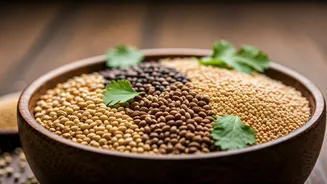
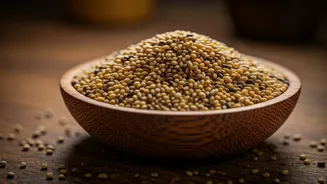
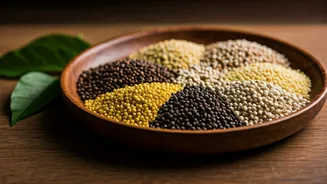
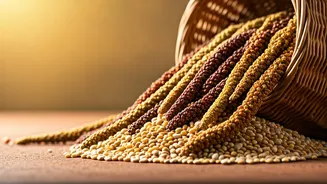
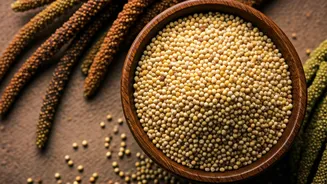
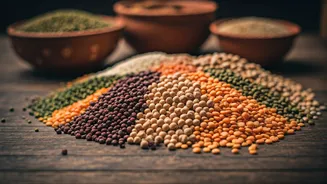
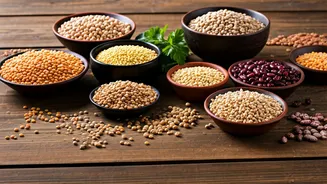
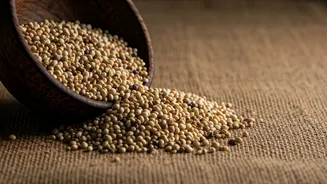
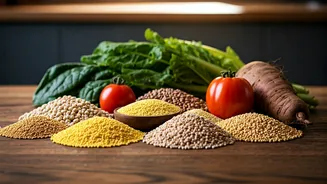
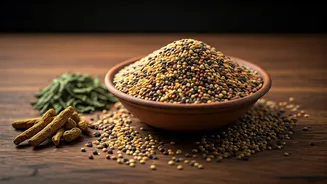
For American foodies familiar with quinoa and farro, India’s rediscovered grains offer a new world of flavor and texture. Ragi (finger millet), a deep reddish-brown grain, is often ground into flour for porridge or flatbreads (rotis) with a distinctive earthy flavor. Jowar (sorghum), which has a parallel history in the American South, provides a hearty, chewy texture perfect for salads or unleavened breads. Bajra (pearl millet) has a slightly nutty taste and is used to make dense, satisfying rotis that are a winter staple in northern India. Alongside these grains, heirloom beans are also seeing a revival. Cooks are looking beyond the standard lentils to embrace forgotten varieties like the mottled kidney bean (chitra rajma) and black chickpeas (kala chana), each with a unique taste and regional story that adds depth to the pot.
From Michelin Stars to Meal Kits
This movement isn't just happening in home kitchens. India’s top chefs are leading the charge, decolonizing their menus by replacing imported ingredients like kale and quinoa with local superfoods. They're crafting millet risottos, ragi-based pastas, and jowar crepes, proving that traditional ingredients can be modern, innovative, and sophisticated. This culinary validation has a powerful trickle-down effect. Simultaneously, a wave of food startups is making these ancient grains accessible to the busy urban consumer. You can now find millet-based breakfast cereals, ready-to-cook dosa batters, and even ragi cookies in mainstream grocery stores. They are rebranding these humble ingredients for a new generation, stripping away the old stigma and presenting them as the smart, healthy, and authentically Indian choice.