

The End of 'No Pain, No Gain'
The cultural shift is seismic. The 'no pain, no gain' mantra, long the unofficial slogan of American fitness, is finally being challenged by a more sustainable philosophy: work smarter, not just harder. For a generation increasingly wary of burnout in their
professional lives, the idea of applying the same grueling logic to their bodies is losing its appeal. Instead of celebrating exhaustion as a badge of honor, the new fitness culture prioritizes longevity, consistency, and holistic health. The goal is no longer to destroy yourself in the gym for one hour but to build a body that feels good and performs well for the other 23. This is less about momentary triumph and more about the long game of staying active, mobile, and pain-free well into the future.
The New Tools of the Trade
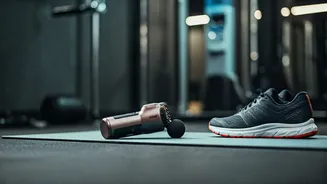
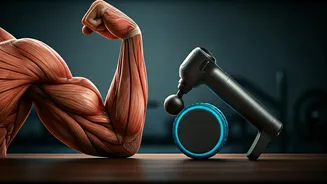
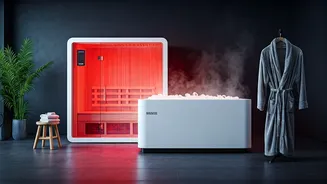
So, what does this new flex look like in practice? It’s a whole ecosystem of tools and rituals, once the exclusive domain of elite athletes, now available at boutique studios and for at-home use. The percussive massage gun, like a Theragun or Hypervolt, is a common starting point, promising to knead away muscle soreness. Then there are the more immersive experiences. Infrared saunas offer a deep, penetrating heat said to aid detoxification and relaxation. At the other extreme are cold plunges and ice baths, which believers credit with slashing inflammation and boosting mental resilience. And for a passive session, there are high-tech compression boots that use air pressure to massage the legs, aiming to improve circulation and speed up recovery. Posting a selfie from an ice barrel has become the 2020s equivalent of a locker room mirror picture.
From Pro Athletes to Your Feed
We can thank figures like LeBron James, who famously spends a fortune on his body's upkeep, for popularizing this trend. When people see their sports heroes prioritizing recovery, the message is clear: rest is not laziness; it’s part of the work. Social media then acts as a powerful accelerant. Wellness influencers and everyday fitness enthusiasts share their recovery routines, creating a sense of aspirational normalcy. This has spawned a new category of business: the dedicated recovery studio. These spaces function like gyms for resting, offering access to all the latest tech—saunas, cold plunges, compression therapy—in one sleek, Instagrammable location. It’s a commercialization of rest, turning what was once a passive activity into an active, and often expensive, pursuit.
Hype vs. Help: A Reality Check
Amid the hype, it's worth asking: does all this stuff actually work? The answer is nuanced. Some practices have solid science behind them. For instance, cold water immersion has been shown to reduce post-exercise muscle soreness. Heat therapy can increase blood flow and relax muscles. However, the evidence for other claims can be thin, and many benefits might be attributable to the placebo effect—if you believe a $500 device is helping you, it just might. The most crucial point that often gets lost in the marketing is that no gadget can replace the foundational pillars of recovery: adequate sleep, proper nutrition, and hydration. These free, fundamental habits deliver far more physiological benefits than any 30-minute session in a compression boot. The new tools are best seen as supplements, not substitutes, for a healthy lifestyle.