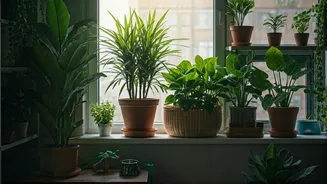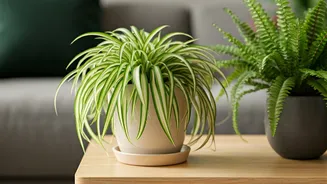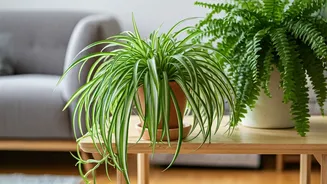

1. Spider Plant (Chlorophytum comosum)
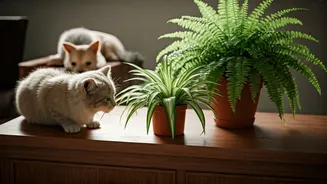
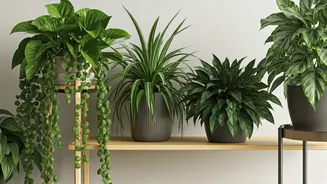
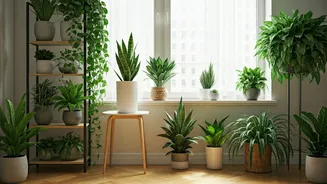
The quintessential easy-care houseplant is also a champion of pet safety. Spider plants are celebrated for their air-purifying qualities and forgiving nature, making them perfect for beginners. Their arching leaves and cascading 'spiderettes' (baby plants)
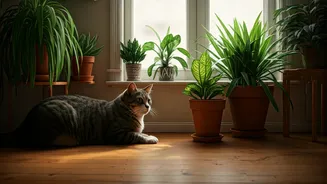
create a dynamic, lush look on a shelf or in a hanging basket. Confirmed as non-toxic to cats and dogs by the ASPCA, they thrive in bright, indirect light but tolerate lower light conditions. Water them when the top inch of soil is dry, and watch them flourish. While they are safe, some cats find the dangly leaves irresistible to bat at, so hang them high if you want to preserve their foliage.
2. Parlor Palm (Chamaedorea elegans)
For a touch of tropical elegance, the Parlor Palm is an unbeatable choice. These petite palms bring the dramatic shape of their larger relatives indoors without taking over your space. They are slow-growing and thrive in medium to low indirect light, making them ideal for apartment corners that don't get direct sun. The ASPCA lists them as non-toxic, so you can rest easy if your pet decides to nibble a frond. Keep their soil consistently moist but not waterlogged to maintain their deep green, feathery leaves. They add vertical interest and a sophisticated, jungle-like feel to any room.
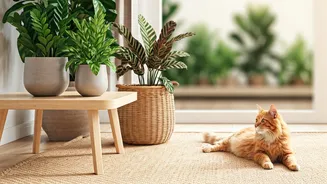
3. Calathea (e.g., Rattlesnake Plant)
Often called 'Prayer Plants' for the way their leaves fold up at night, the Calathea family is known for its stunning, patterned foliage. Varieties like the Rattlesnake Plant (Calathea lancifolia) feature wavy-edged leaves with intricate green markings, adding instant visual texture. They are completely pet-safe, allowing you to enjoy their beauty without risk. Calatheas are a bit more demanding, preferring high humidity and filtered water to prevent brown tips, but their dramatic appearance is well worth the effort. They prefer bright, indirect light to maintain their vibrant patterns.
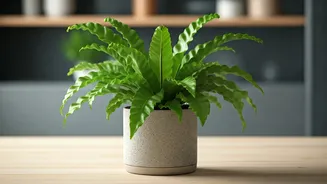
4. Boston Fern (Nephrolepis exaltata)
If 'lush' is your goal, look no further than the Boston Fern. With its shaggy, overflowing fronds, this plant screams abundance. It’s perfect for creating a verdant focal point in a hanging basket or on a plant stand where its foliage can cascade freely. Boston Ferns are non-toxic to pets and love humidity, making them an excellent choice for a well-lit bathroom. They prefer consistently moist soil and bright, indirect sunlight. A happy Boston Fern can transform a sterile corner into a vibrant, green escape.
5. Money Tree (Pachira aquatica)
Famous for its braided trunk and star-shaped leaves, the Money Tree is believed to bring good luck and prosperity. More importantly for pet owners, it’s also non-toxic. This plant adds a sculptural, tree-like element to your indoor garden. It’s surprisingly easy to care for, thriving in bright, indirect light and enjoying a deep watering only when the top few inches of soil have dried out completely. Overwatering is its main enemy. It's a statement plant that combines unique form with peace of mind.
6. African Violet (Saintpaulia)
For a pop of color among the green, the African Violet is a classic, pet-safe choice. These small, charming plants produce velvety leaves and clusters of vibrant flowers in shades of purple, blue, pink, and white. They don't require much space and do well in the same moderate temperatures and light conditions that people enjoy, such as on an east-facing windowsill. Keep their leaves dry and water from the bottom to prevent rot. They are a delightful way to add flowering beauty to your collection without endangering your pets.
7. Haworthia (Haworthiopsis attenuata)
Love the look of spiky succulents but worried about toxic aloes? Meet the Haworthia, often called the Zebra Plant. This small, striking succulent features fleshy green leaves with white, textured bands. It’s completely safe for pets and incredibly low-maintenance. Haworthias require very little water (let the soil dry out completely between waterings) and thrive in bright, indirect light. They stay compact, making them perfect for sunny windowsills, desks, or small shelves where you want a touch of modern, geometric greenery.
8. Prayer Plant (Maranta leuconeura)
A close relative of the Calathea, the Prayer Plant is equally stunning and pet-safe. Its oval leaves feature beautiful veining in shades of red, cream, and deep green. The real show, however, is its nyctinastic movement—the leaves lie flat during the day and fold upwards as if in prayer at night. This fascinating behavior, combined with its striking appearance, makes it a captivating addition. It enjoys medium to bright indirect light, high humidity, and soil that stays evenly moist.
9. Cast Iron Plant (Aspidistra elatior)
If you worry about your ability to keep a plant alive, the Cast Iron Plant is for you. True to its name, it’s nearly indestructible. It tolerates low light, infrequent watering, and general neglect, all while maintaining its elegant, dark green leaves. This resilience makes it a fantastic choice for darker apartment hallways or corners where other plants might struggle. Best of all, this tough-as-nails plant is entirely non-toxic to cats and dogs, making it the ultimate low-worry, high-reward option.
10. Baby Tears (Soleirolia soleirolii)
For a delicate, moss-like carpet of green, Baby Tears is an enchanting choice. This plant forms a dense mat of tiny, round leaves that spills beautifully over the edges of its pot. It's perfect for terrariums or as a charming companion plant in a larger container. It's completely safe for pets, though its delicate nature means it might not hold up to a playful paw. Baby Tears thrives in high humidity and bright, indirect light, and it prefers to be kept consistently moist. It creates a soft, lush groundcover effect that feels straight out of a fairy tale.