




1. Replace Your Wiper Blades
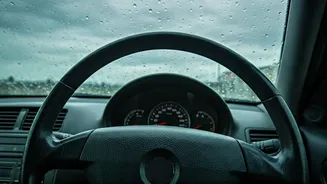
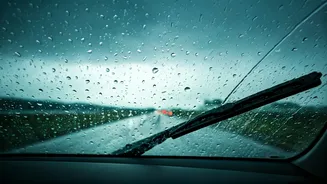
This is the most obvious, yet most frequently overlooked, piece of monsoon prep. The intense sun and dry heat of the preceding months wreak havoc on the rubber in your wiper blades, causing them to crack, harden, and become useless. A fresh pair of high-quality
blades is a small investment that pays huge dividends in visibility when a wall of water suddenly descends. Don't forget to top off your windshield washer fluid, as you'll need it to clear the mud and debris that get kicked up onto your windshield during the first few minutes of a storm.
2. Inspect Your Tires for Tread and Pressure
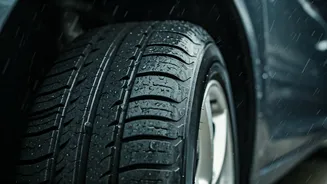
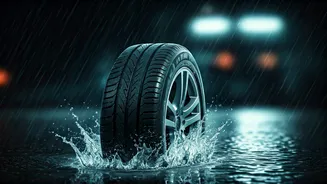
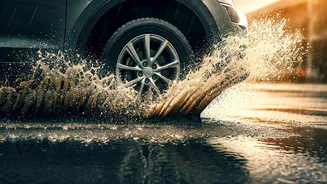
Your tires are your car's only connection to the road, and their effectiveness plummets on wet surfaces. The grooves in your tires are designed to channel water away, preventing hydroplaning—a dangerous situation where your vehicle essentially floats on a thin layer of water, causing a complete loss of steering and braking control. Use the classic 'penny test': insert a penny into your tire's tread with Lincoln's head upside down. If you can see all of Abe's head, your tread is worn too low and it’s time for new tires. Also, ensure your tires are inflated to the manufacturer’s recommended PSI, which you can find on a sticker inside your driver-side door jamb.
3. Check Your Brakes and Lights
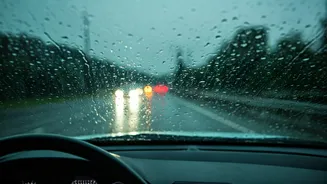
Wet roads mean longer stopping distances. Before the season starts, have your brakes inspected to ensure your pads, rotors, and brake fluid are in good shape. Listen for any squealing or grinding, and pay attention to any sponginess in the brake pedal. Equally important for safety is being seen. Have a friend help you test all your exterior lights: headlights (both low and high beams), tail lights, brake lights, and turn signals. In many states, it’s legally required to have your headlights on when your wipers are in use, as it makes you far more visible to other drivers in low-light, rainy conditions.
4. Understand Flash Flood Dangers
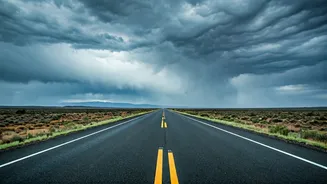
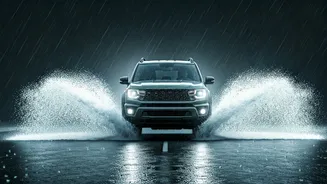
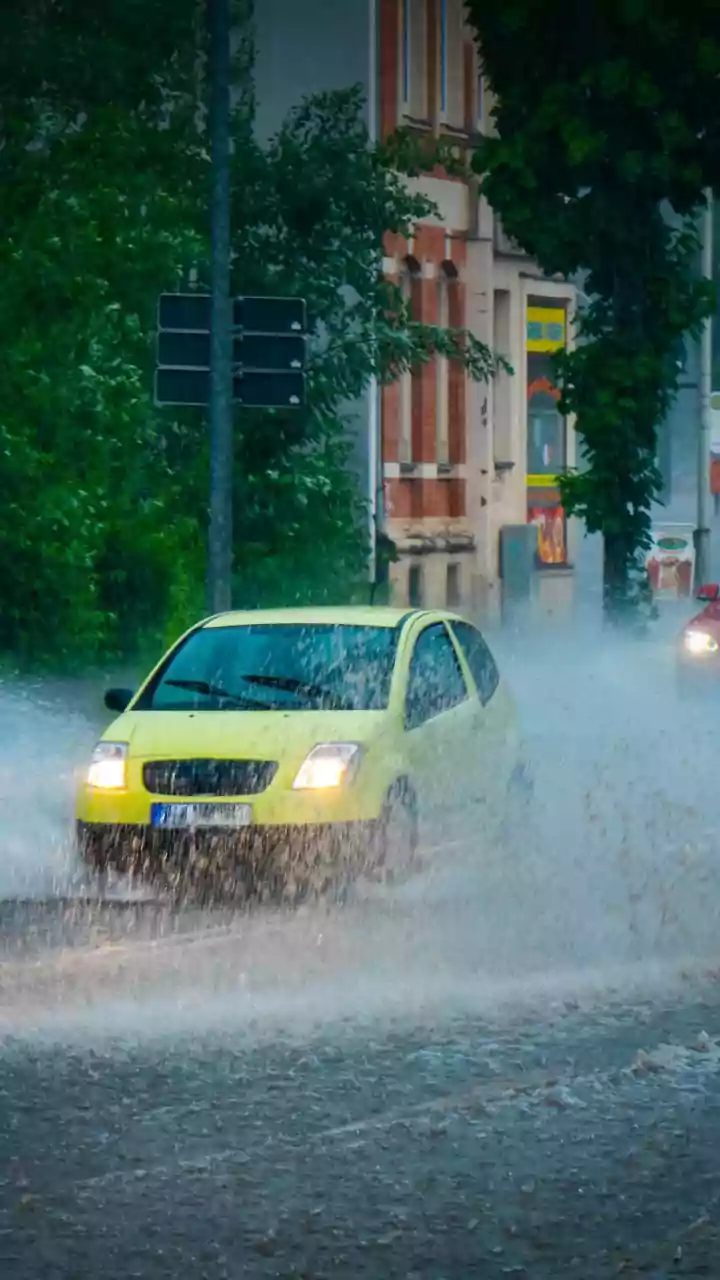
The single greatest danger during monsoon season isn't the rain itself, but the flash floods that follow. It takes only six inches of moving water to knock over an adult, and just 12 inches can sweep away a small car. Never attempt to drive through a flooded roadway, even if it looks shallow. The road beneath could be washed out, and the water's depth is often deceptive. Heed the National Weather Service's crucial advice: "Turn Around, Don't Drown." If you encounter a flooded road, find an alternate route. It’s far better to be late than to become a statistic.
5. Assemble a Car Emergency Kit
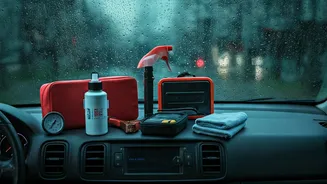
Getting stranded is more likely during severe weather. A well-stocked emergency kit can be a lifesaver. Your monsoon kit should include essentials like a flashlight with extra batteries, a first-aid kit, jumper cables, and a portable phone charger. Also consider adding bottled water, non-perishable snacks, a rain poncho, and a towel. If you get stuck, stay in your vehicle unless water is rising around you. A car provides better shelter from lightning and is more visible to rescuers than a person on foot.
6. Perform Post-Storm Maintenance
Driving through a monsoon storm can leave its mark. The dust and sand that accumulate during the dry season turn into a gritty, abrasive mud that gets kicked into your car's undercarriage, engine bay, and wheel wells. After a particularly messy drive, it’s wise to give your car a thorough rinse, paying special attention to the underside to wash away corrosive grime. Also, check your engine's air filter. Driving through dust storms, or 'haboobs', which often precede the rain, can clog the filter and reduce your engine's performance and fuel efficiency.