



So, What Is 'Hormone-Friendly Eating'?
At its core, hormone-friendly eating is an approach to nutrition that aims to support and balance the body's key hormones through dietary choices. It’s not a rigid diet with a specific name, but rather a framework. Instead of focusing on calories or macros
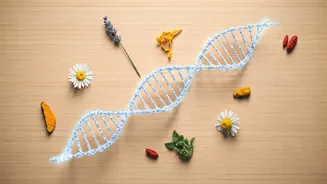
alone, the goal is to eat in a way that minimizes hormonal disruption and supports the systems that regulate everything from your mood and energy to your metabolism and menstrual cycle. The primary hormones in the crosshairs are usually insulin (blood sugar regulation), cortisol (stress), and reproductive hormones like estrogen and progesterone. The thinking is that by stabilizing these chemical messengers, you can address common issues like fatigue, bloating, acne, mood swings, and stubborn weight gain that are often dismissed as just a normal part of life.
From Wellness Practice to Status Symbol
Here’s where the “flex” comes in. In a world saturated with generic diet advice, meticulously tuning your food intake to your body’s hormonal symphony has become the new marker of wellness sophistication. It signals that you’ve graduated from basic calorie-counting and are now operating on a higher plane of bio-individuality. Posting a photo of your perfectly balanced plate—complete with protein, healthy fats, and fiber to manage blood sugar—is the 2024 equivalent of posting a gym selfie. It says, 'I not only have the knowledge to understand my endocrine system, but I also have the time and resources to prepare meals that cater to it.' It’s a subtle brag that you’re in tune with your body on a cellular level, a feat of self-optimization that goes beyond simply being 'thin' or 'fit.'
The Core Principles in Practice
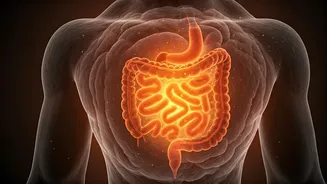
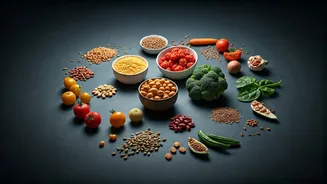
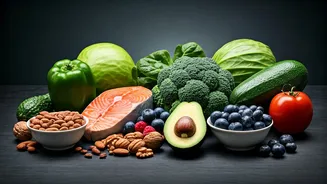
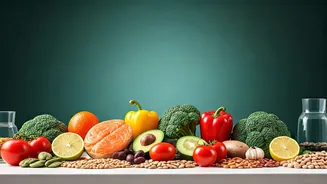
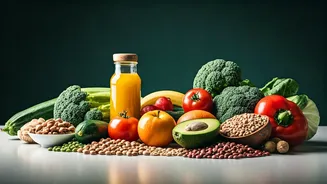
So what does this look like on a plate? While it varies from person to person, a few key pillars are consistent across the trend. First and foremost is blood sugar balance. This involves pairing carbohydrates with protein and fat to slow the absorption of sugar and prevent insulin spikes. Think avocado toast on whole-grain bread with an egg, not a sugary cereal. Second is stress management through food, which involves consuming magnesium-rich foods like leafy greens and nuts to support the adrenal system, and avoiding excessive caffeine and alcohol that can spike cortisol. Another popular practice is 'cycle syncing,' where women adjust their diet based on the phase of their menstrual cycle—for example, eating more iron-rich foods during menstruation and more fiber-heavy foods to help process estrogen in the first half of the cycle. Finally, supporting gut health with probiotics and fiber is seen as essential, as the gut microbiome plays a crucial role in hormone regulation, particularly estrogen.
The Science vs. The Social Media Hype
Here's the important reality check. Many core principles of hormone-friendly eating are rooted in solid nutritional science. The link between balanced meals and stable blood sugar is undisputed. The impact of chronic stress (and high cortisol) on health is well-documented. And a healthy gut is foundational to overall wellness. However, some of the more niche practices, like 'seed cycling' (eating specific seeds like flax and pumpkin at different times of the month to balance hormones), have limited robust scientific evidence to back them up. While they are generally harmless and may offer benefits from their nutritional content, they haven't been proven in large-scale clinical trials to have the dramatic hormonal effects often claimed on social media. The takeaway from registered dietitians is often that the foundational principles are excellent, but the hyper-specific, influencer-driven protocols may be more trend than science. The true 'personalization' comes from listening to your own body, not just copying someone else's.