
The Polished Sheen of Standard Luxury
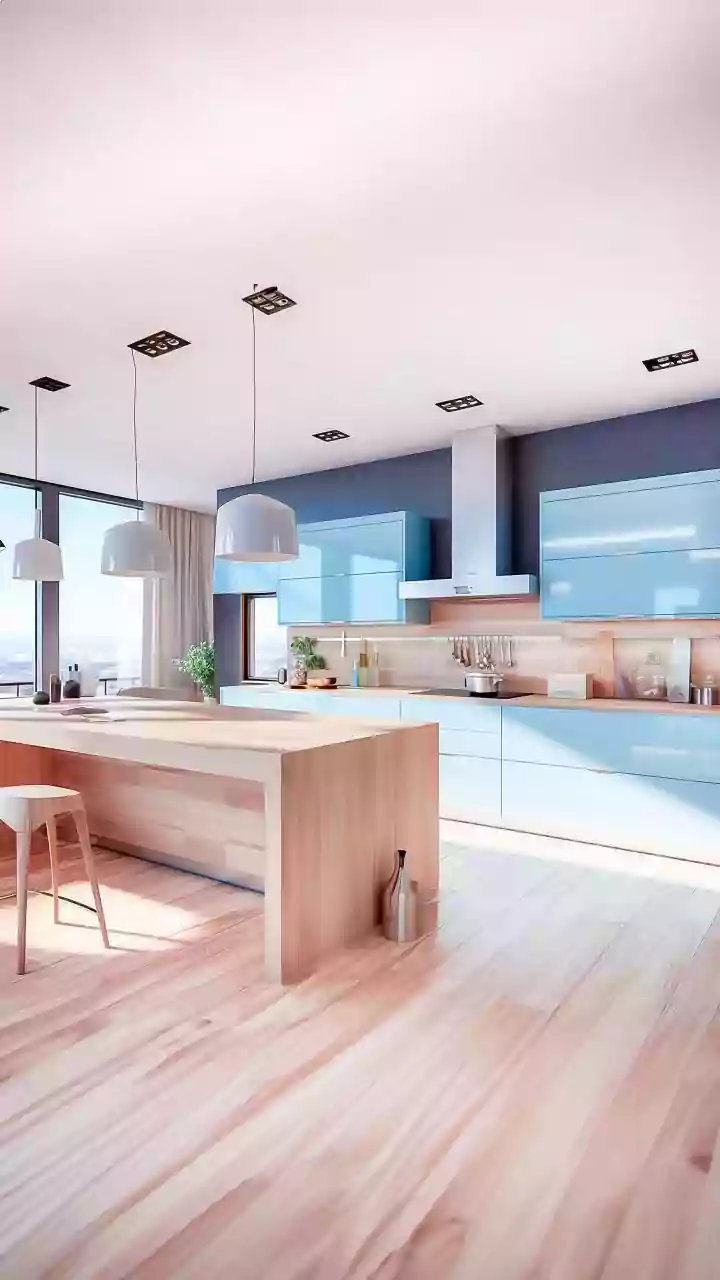
For decades, the peak of aspirational interior design was a specific type of visual opulence. Think of the spaces that dominated design magazines and luxury hotel lobbies in the 2000s and 2010s. This is 'standard luxury': a look defined by high-shine
surfaces, dramatic contrasts, and expensive materials used for maximum impact. Polished marble floors, gleaming chrome and gold accents, lacquered furniture, and vast, empty spaces were its hallmarks. The palette was often a stark black and white or a jewel-toned explosion against a neutral backdrop. While undeniably expensive, this aesthetic often prioritized a look of untouchable, museum-like perfection. It was a design language built to impress visitors, communicating status and wealth through a visual vocabulary of formality and grandeur. The inherent message was, 'Look at what I have,' rather than, 'Come in and get comfortable.'
Enter: The Quiet Confidence of Warm Minimalism
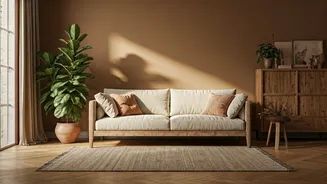
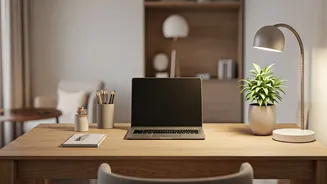
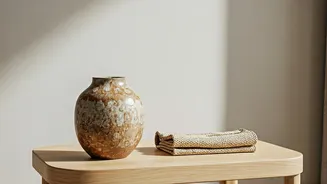
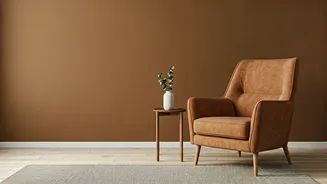
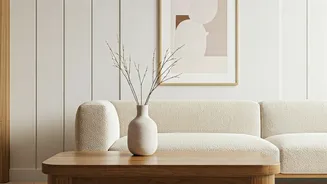
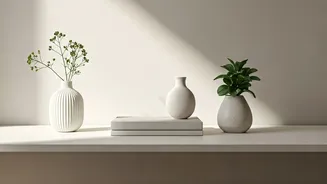
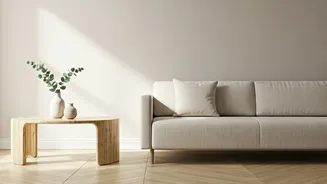
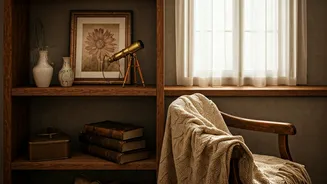
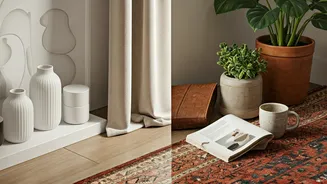
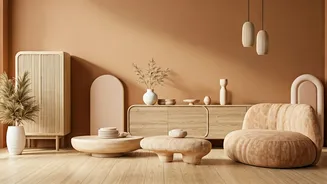
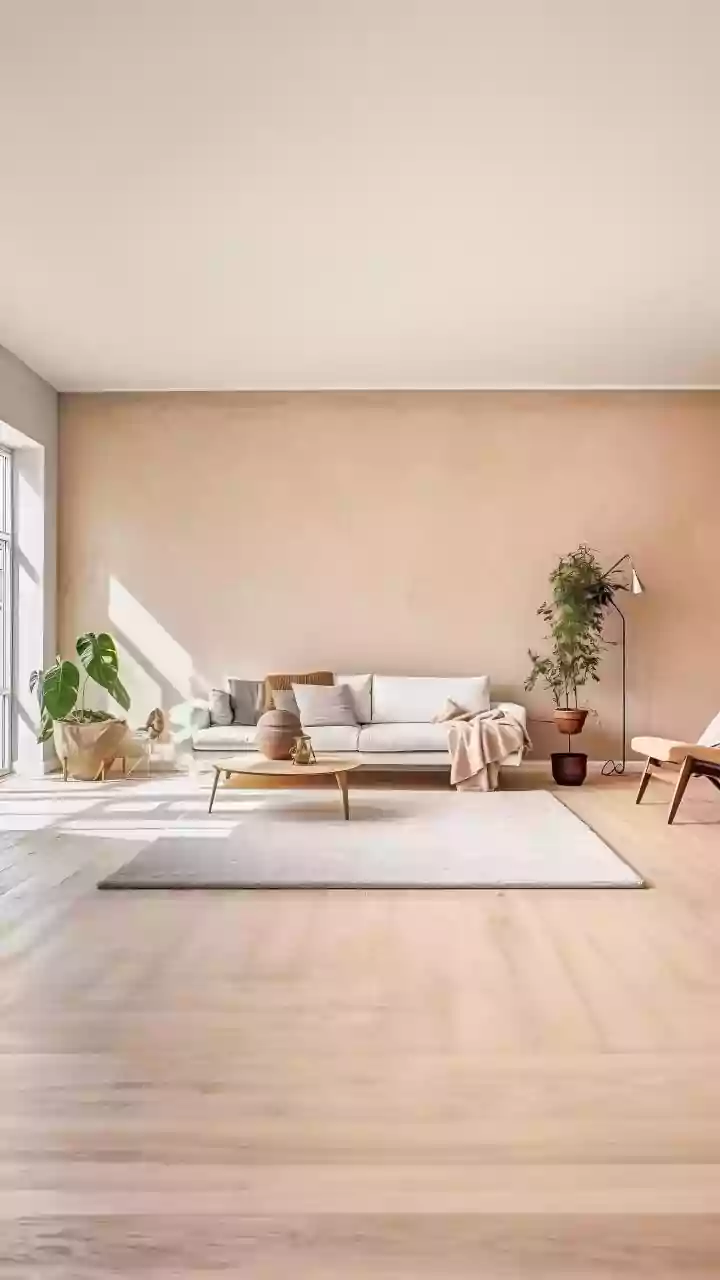
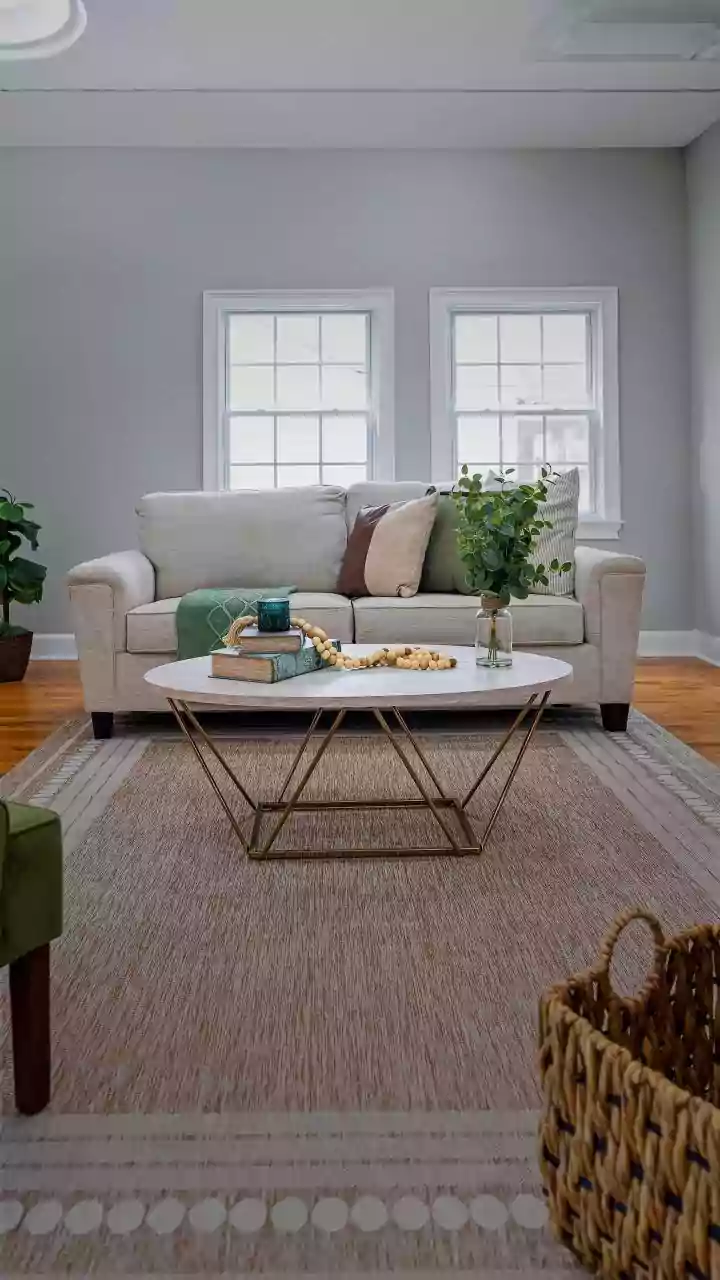
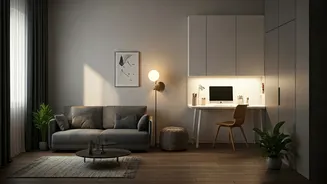
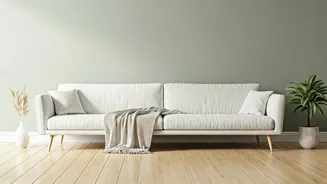
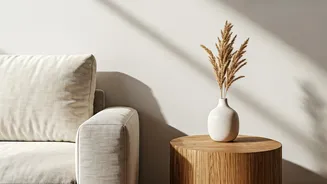
In contrast, warm minimalism isn't about emptying a room but about filling it with intention. It borrows the 'less is more' philosophy from traditional minimalism but swaps the cold, stark emptiness for a sense of coziness, texture, and soul. This style champions natural materials—light woods, soft linens, worn leather, chunky wool, and textured stone. The color palette is muted and drawn from nature: shades of cream, beige, taupe, terracotta, and soft greens. Instead of sharp, perfect lines, you'll find gentle curves and organic shapes. The focus shifts from statement pieces to the overall feeling of the space. It’s a design ethos that finds luxury not in sparkle, but in craftsmanship; not in grandeur, but in serenity. It’s the soft light from a paper lantern, the feel of a cashmere throw, and the beauty of a single, handmade ceramic vase on a simple wooden shelf.
From Impressing Guests to Nurturing Ourselves
The core reason warm minimalism is 'outperforming' standard luxury lies in a fundamental shift in our cultural values. Standard luxury is an outward-facing aesthetic. Its success is measured by the awe it inspires in others. It's performative. Warm minimalism is inward-facing. Its success is measured by how it makes the inhabitants feel: calm, safe, and content. It's restorative. Where one style says, “Don’t touch,” the other whispers, “Please stay awhile.” This pivot reflects a broader move away from conspicuous consumption. In a world of digital noise and constant pressure, people are increasingly seeking to create a personal sanctuary. The home is no longer just a backdrop for a life lived elsewhere; it is the center of it. A home that feels like a hug is now more desirable than one that feels like a gallery.
Why Comfort Replaced Formality, Right Now
The 'now' in this equation is crucial. The global pandemic acted as a powerful accelerant for this trend. Forced to spend unprecedented amounts of time within our own four walls, we began to see our homes differently. The formal living room nobody used became a waste of precious space. The impractical but stylish chair became a source of back pain. Suddenly, function, comfort, and emotional well-being became non-negotiable. Our homes had to become our offices, schools, gyms, and, most importantly, our havens. This collective experience taught us that the true luxury isn't a room that looks good on Instagram; it's a sofa you can truly sink into at the end of a long day. This desire for authentic, livable spaces has outlasted lockdowns, fundamentally rewiring our sense of what makes a house a home.