




Beyond the Vitamin C Megadose
For decades, the “immunity” section of our collective consciousness was dominated by a few key players. Vitamin C was the undisputed champion, with zinc and maybe echinacea as its trusty sidekicks. The strategy was straightforward: when you felt a sniffle
coming on, you flooded your system with these nutrients to help your body’s defenses. Think of it as reinforcing the castle walls—a general, all-purpose fortification. This approach isn’t wrong, exactly. These micronutrients are undeniably crucial for a functioning immune system. A deficiency in vitamin C or zinc absolutely can impair your body’s ability to fight off pathogens. But the wellness industry is now shifting its focus from simply plugging nutritional gaps to actively modulating and optimizing specific biological systems. The new thinking isn't just about giving your immune cells the basic tools they need; it's about fine-tuning the entire operational environment.
The Gut as Immune Mission Control
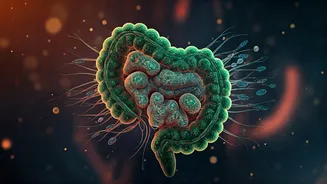
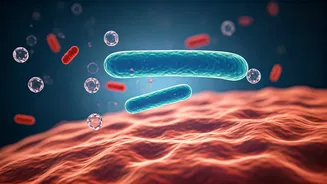
The biggest star of this new, targeted approach is your gut. It turns out, the old saying “you are what you eat” is more profound than we thought. Scientists now understand that the gut is home to roughly 70% of your immune system. The trillions of microbes living in your digestive tract—collectively known as the gut microbiome—are in constant communication with your immune cells.
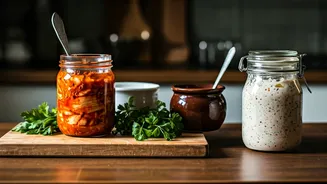
This is where “targeted” gets real. Instead of just a general boost, we’re now seeing products aimed specifically at nurturing this gut-immune axis. Probiotic-packed yogurts and kombuchas are just the beginning. The conversation has moved to prebiotics (the fiber that feeds good bacteria) and even postbiotics (the beneficial compounds produced *by* those bacteria). Foods and supplements are now being marketed with the promise of supporting a specific, healthy inflammatory response in the gut or promoting the growth of certain bacterial strains linked to stronger immunity. It's less about a shield and more about cultivating a healthy, balanced internal ecosystem that knows how to respond appropriately to threats.
Taming the Stress and Inflammation Axis
Another sophisticated target is the link between stress, inflammation, and immunity. We’ve all experienced it: after a brutally stressful week, you’re suddenly more likely to catch a cold. This isn’t a coincidence. Chronic stress pumps your body full of hormones like cortisol, which can suppress the immune system and promote low-grade, chronic inflammation.
This has opened the door for adaptogens—a class of herbs and mushrooms like ashwagandha, reishi, and rhodiola—to enter the immunity mainstream. Traditionally used in Ayurvedic and Chinese medicine, these ingredients are believed to help the body better manage its stress response. The new logic is that if you can modulate cortisol and reduce the physiological toll of stress, you are indirectly but powerfully supporting your immune system. So, you'll see reishi mushrooms in your coffee and ashwagandha in your smoothie, sold not just for “calm” but as a targeted strategy for immune resilience.
Reading Between the Marketing Lines
So, what does this new era of “targeted” immunity mean for you as a consumer? It’s a mix of exciting science and clever marketing. The focus on systemic health—nurturing the gut and managing stress—is a positive and more holistic evolution from the old nutrient-stacking model. The science connecting the microbiome and stress to our immune function is robust and growing.
However, the claims on a specific bottle of kombucha or a single adaptogenic powder are often ahead of the scientific consensus. While the ingredients may have potential, they are not magic bullets. The real takeaway from this trend is the principle behind it: a truly resilient immune system isn't built on a single ingredient you take when you're feeling sick. It's the result of consistent, daily support for the complex systems, like your digestive and nervous systems, that underpin your overall health. This new wave of products can be seen as tools, but the foundational work of a balanced diet, good sleep, and stress management remains the ultimate strategy.