







Beyond the Butter Chicken Buffet
Let’s be honest: for many in the U.S., the experience of Indian cuisine is defined by the all-you-can-eat lunch buffet or a handful of famous restaurant dishes. We load up on paneer makhani, chicken tikka masala, and garlic naan, then spend the afternoon
in a food coma. But that's a narrow, celebration-focused slice of a vast and incredibly diverse culinary landscape. In homes across India, food is deeply regional, seasonal, and, above all, practical. During the sweltering months from April to June, when temperatures can soar past 100°F, nobody is craving a heavy, spice-laden curry. Instead, home kitchens turn to a sophisticated arsenal of light, hydrating, and cooling recipes—a tradition that modern, health-conscious households are embracing with renewed vigor.
The Ancient Wisdom of 'Cooling' Foods
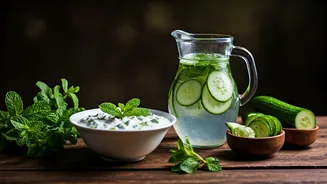
This isn't just about preference; it’s rooted in centuries of Ayurvedic tradition, India's ancient system of wellness. Ayurveda classifies foods based on their effect on the body, not just their temperature. Summer is considered the season of 'pitta,' or fire, and the goal is to pacify this internal heat with 'cooling' foods. This doesn't mean eating ice cream for lunch. Instead, it’s about ingredients that are believed to reduce body heat and aid digestion. Think cucumbers, mint, coconut, melons, and, most importantly, yogurt. These principles have guided Indian home cooks for generations, creating a blueprint for summer eating that is both delicious and functional. It’s a philosophy that feels more relevant than ever in a world increasingly focused on wellness and mindful eating.
Yogurt: The Undisputed Hero of Summer
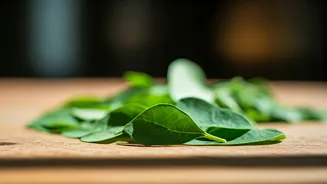
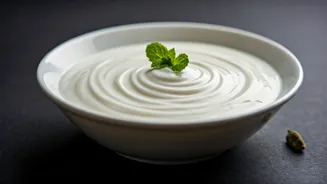
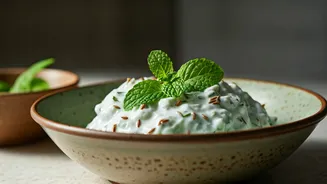
If Indian summer cooking had a superhero, it would be yogurt. Plain, unsweetened yogurt (dahi) is the foundation of countless cooling dishes. The most iconic is curd rice, or *thayir sadam*. It sounds deceptively simple—cooked rice mixed with yogurt—but it’s a masterpiece of texture and flavor. Often tempered with a sizzle of mustard seeds, curry leaves, and dried red chilies, and sometimes mixed with pomegranate seeds or grated carrots, it’s a savory, creamy, and deeply satisfying one-bowl meal. Then there’s *chaas* (or *mor*), a savory buttermilk drink. Thinned yogurt is whisked with water, black salt, and spices like cumin and ginger. It's the ultimate digestive and hydrator, served alongside or after a meal to cool the system down. It’s India’s answer to iced tea, but with a probiotic punch.
Salads, But Not as You Know Them
The Western concept of a salad—leafy greens tossed in a creamy dressing—doesn't have a strong foothold in traditional Indian cuisine. But that doesn’t mean Indians don't eat raw, refreshing vegetable dishes. Enter *koshimbir*, a type of salad from Maharashtra. A typical version involves finely chopped cucumber and onion mixed with roasted peanuts for crunch, fresh cilantro, a squeeze of lime, and sometimes a little grated coconut. It’s light, crunchy, and bursting with flavor. Other regions have similar versions, using everything from grated carrots and beets to sprouted moong beans. These aren’t side dishes; they are integral parts of the meal, providing freshness and texture to balance the other elements on the plate.
Lighter Grains and Lentils for Lunch
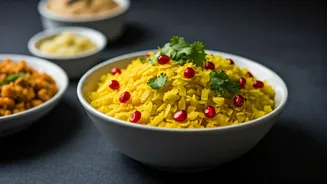
Heavy, wheat-based breads and rich, long-simmered lentil dishes are often swapped for lighter alternatives in the summer. *Poha*, or flattened rice, is a perfect example. It rehydrates in minutes and is typically pan-fried with onions, potatoes, mustard seeds, and turmeric for a quick, fluffy, and savory meal that’s popular for breakfast or a light lunch. Even the ubiquitous *dal* (lentil soup) gets a summer makeover. Instead of the thick, creamy *dal makhani*, summer calls for thin, soupy versions made from quick-cooking lentils like red lentils (*masoor*) or split mung beans (*moong*), often flavored simply with a *tarka* (tempered spices) of cumin, garlic, and turmeric. Served with plain steamed rice, it's a comforting yet light source of protein that won't weigh you down.