




The Tyranny of the Optimized Self
We were promised a better life through data. Apps that would help us sleep deeper, run faster, eat cleaner, and breathe slower. For a while, it felt revolutionary. We had dashboards for our own bodies, metrics that turned the messy business of being human
into a neat, color-coded chart. But for many, the promise of optimization has curdled into a new form of anxiety. Did you close your rings? Did you hit your step goal? Did your sleep score dip below 80? The tools designed to reduce stress started to become a source of it. This phenomenon, often called 'digital fatigue' or 'app burnout,' stems from the pressure to constantly perform, measure, and improve. Instead of feeling present, we're stuck analyzing the past or planning a more 'optimized' future, all through the cold glow of a screen. Wellness became just another task to complete, another notification to clear.
Rediscovering the Physical World
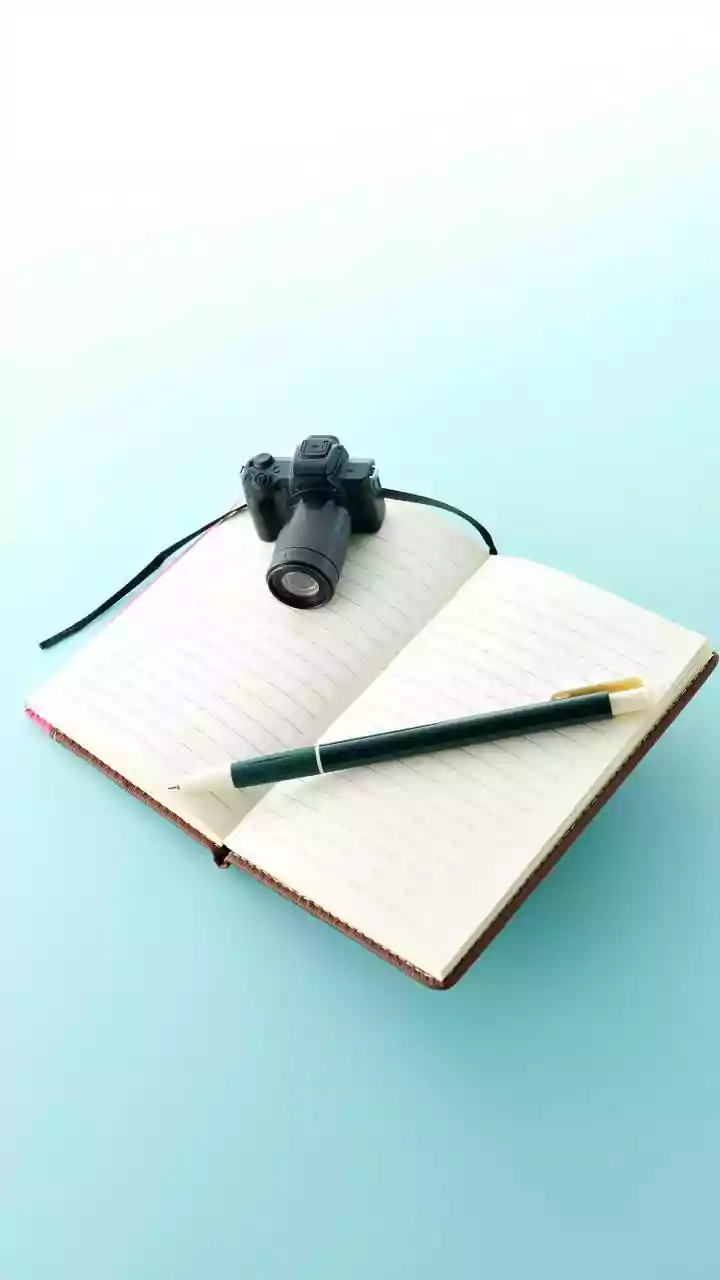
Enter analogue wellness. It’s not a Luddite-style rejection of all technology, but a conscious, deliberate turn toward activities that are tangible, imperfect, and blissfully offline. It’s the intentional choice of a physical book over a Kindle, a vinyl record over a streaming playlist, or a pen and paper over a notes app. At its core, analogue wellness is about engaging your senses in the real world. Think of the satisfying scratch of a fountain pen on thick paper, the earthy smell of soil while gardening, the focused calm of fitting jigsaw puzzle pieces together, or the simple weight of a ceramic mug of tea in your hands. These activities don’t track your progress, send you push notifications, or demand you share your achievements. Their value is in the process itself, not in the data they produce. They offer a single-tasking sanctuary in a multi-tasking world, allowing our overstimulated brains a chance to downshift.
Why Your Brain Loves Tangible Things
There's a neurological basis for this sense of relief. Interacting with physical objects—a concept known as haptics—engages our brains in a richer, more memorable way. Studies have shown that writing by hand, for example, activates different parts of the brain than typing and can improve memory retention. The physical act of turning a page helps us create a mental map of a book, making the content feel more grounded and real. This isn't just nostalgia; it's about how our brains are wired. The digital world is abstract and ethereal, but the analogue world offers concrete, sensory feedback. It reminds us that we have bodies, not just profiles. This hands-on engagement helps pull us out of the anxious chatter of our minds and into the present moment, a core principle of the very mindfulness that so many apps promise but often fail to deliver.
It’s a Spectrum, Not a Switch
Embracing analogue wellness doesn't require you to cancel your subscriptions and delete your apps. The most sustainable approach is about balance and intentionality. It's about asking a simple question: Does this tool actually make me feel better, or does it just make me feel busy? Maybe your running app is genuinely motivating, but your meditation app just makes you feel guilty. Keep the former, and replace the latter with five minutes of quiet, unguided breathing. The goal is to curate your wellness toolkit, blending the digital and the analogue in a way that serves you. Perhaps you start your day with a page of journaling before checking your phone, or you designate a 'no screens' hour in the evening to read a magazine or do a crossword puzzle. It’s a gentle rebellion against the idea that self-care must be tracked to be valid. The real measure of wellness isn’t a score on a screen, but a genuine feeling of peace and contentment.