
The Symphony of the River
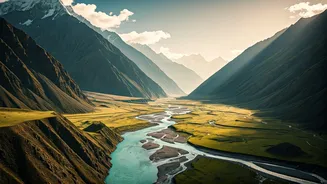
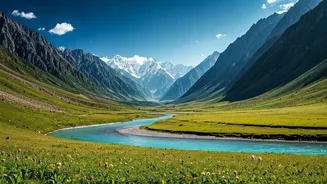
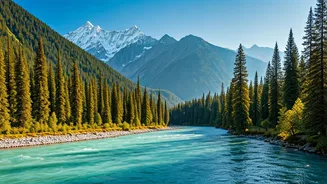
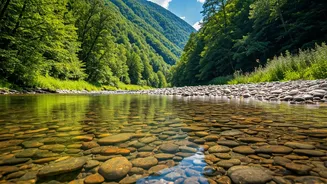
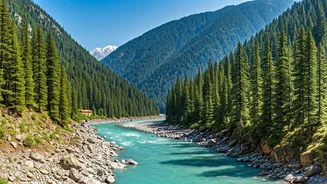
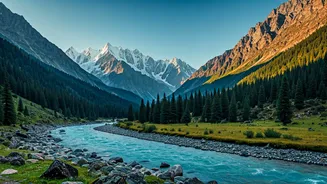
The heart and soul of the valley is the Tirthan River itself. Fed by glacial springs, its water is shockingly clear and breathtakingly cold. It crashes over smooth, grey boulders in a rush of white foam before settling into tranquil, turquoise pools.
This constant, rhythmic sound is the valley’s soundtrack, a natural white noise machine that erases the hum of city life. For many visitors, the river is the main attraction. It's renowned for its population of rainbow and brown trout, making it a bucket-list destination for anglers seeking a pristine fishing experience. But even for those who don’t fish, simply sitting on its banks, watching the water flow, is a meditative act. The river dictates the pace of life here—unhurried, powerful, and pure.
Gateway to a Himalayan Paradise
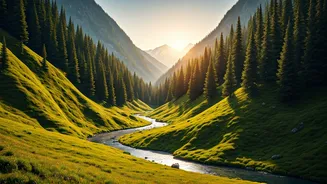
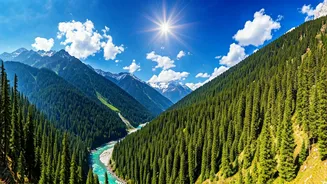
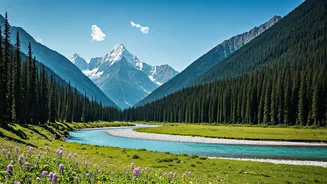
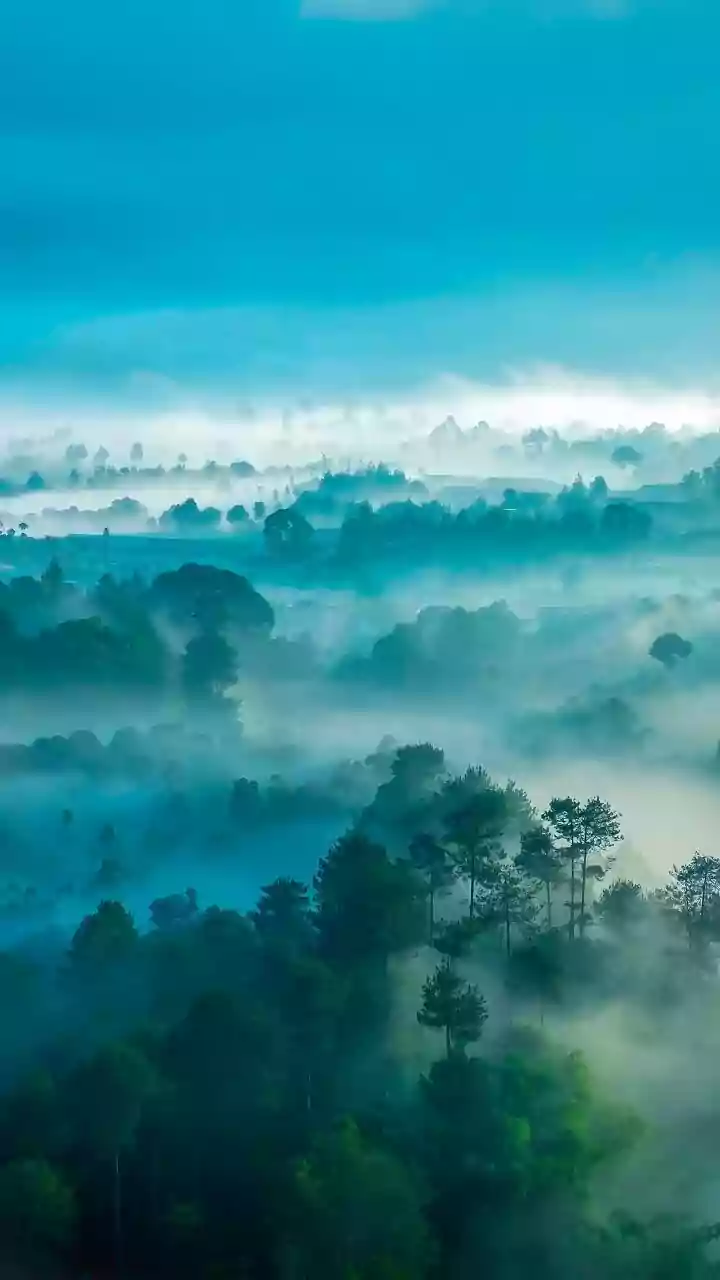
Tucked away in the Kullu district of Himachal Pradesh, India, the Tirthan Valley serves as the gateway to the Great Himalayan National Park, a UNESCO World Heritage Site. This designation isn't just a title; it's a promise of preservation. The park is a vast, untouched wilderness, home to elusive species like the snow leopard and blue sheep. While access to the park’s core requires serious trekking, its buffer zone envelops the valley in a protective embrace of dense, coniferous forest. Towering deodar cedars, pines, and oaks climb the steep hillsides, their canopy creating a cool, fragrant atmosphere. This connection to a protected wilderness is what gives Tirthan its 'fresh' feeling—it’s not just a town with trees, but a community living in harmony with an ancient, protected ecosystem.
A Commitment to Slow Travel
Perhaps what makes Tirthan Valley most refreshing is what you don’t find there. There are no sprawling, five-star resorts, no fast-food chains, and no overwhelming crowds. Instead, tourism here has grown organically and intentionally. The dominant form of accommodation is the homestay, where local families open their traditional wood-and-stone homes to travelers. This model fosters a deeper connection between visitors and the local culture, turning a simple vacation into a genuine cultural exchange. The emphasis is on eco-tourism and sustainability. Guides are local, food is sourced from nearby farms, and there’s a shared understanding that the valley’s natural beauty is a precious resource to be protected, not just exploited. It’s a destination that champions 'slow travel'—encouraging visitors to stay longer, connect more deeply, and leave a minimal footprint.
Trails Through Ancient Woods
To truly understand Tirthan, you must walk. The valley is crisscrossed with trails ranging from gentle riverside ambles to challenging multi-day treks. A short hike can lead you to a hidden waterfall cascading into a mossy grotto, or to a tiny, remote village where life continues much as it has for centuries. Walking through these forests is a sensory experience. The air smells of pine needles and damp earth. Sunlight filters through the dense canopy, dappling the path ahead. You might pass shepherds guiding their flocks, their bells echoing through the quiet woods. This immersion in nature, away from roads and noise, is the ultimate reset. It’s where the feeling of being 'fresh' becomes profound—a clearing of the mind as much as a breath of clean air.