





The Rise of the ‘Heat Refugee’
Forget the classic beach trip. A new travel pattern is emerging across the American heartland, driven not by school schedules or holiday weekends, but by the oppressive, relentless heat of modern summers. Residents of states like Texas, Oklahoma, Arizona,
and Kansas, facing weeks of 100-plus-degree weather, are increasingly booking 'cooling-cations'—getaways chosen specifically for their milder climates. The destination of choice? The mountains. High-altitude towns in Colorado, Wyoming, Utah, and Montana are experiencing a significant uptick in summer visitors looking for nothing more than crisp morning air and afternoon temperatures that don't require a public health warning. This isn't a fluke. Travel industry analysts and tourism officials confirm that weather patterns are now a primary driver for domestic travel decisions, with online searches for 'cool weather destinations' spiking in tandem with heatwave forecasts in the South and Midwest.
Colorado and Wyoming: The New Summer Hotspots
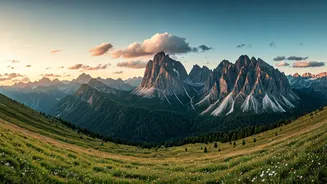
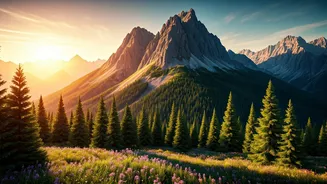
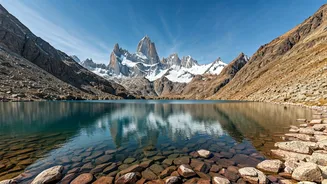
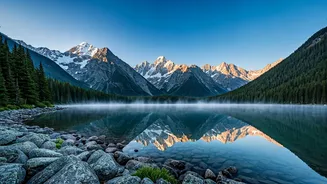
Once considered primarily winter destinations for skiing and snowboarding, mountain towns are transforming into bustling summer hubs. Drive through places like Aspen, Telluride, or Jackson Hole in July, and you'll see a sea of license plates from Texas, Florida, and other sun-scorched states. Vacation rental data consistently shows that bookings in the Rocky Mountain region surge from visitors whose home zip codes are simultaneously experiencing extreme heat alerts. For many, a week in the mountains where temperatures hover in the 70s is no longer a luxury but a necessary reprieve from summers that feel increasingly untenable back home. This migration has become so predictable that some Colorado tourism boards have shifted their marketing efforts, targeting social media users in southern cities during peak heatwave periods with images of green valleys and snow-capped peaks.
A Double-Edged Sword for Mountain Towns
For these high-altitude communities, the influx is both a blessing and a curse. On one hand, it provides a massive economic boost during what was once a quieter season. Restaurants are full, shops are busy, and hotels can maintain near-peak occupancy rates from June through August. This extended tourist season helps stabilize local economies that were once heavily dependent on snowfall. On the other hand, the surge is straining local infrastructure that was never designed for year-round peak capacity. Traffic congestion, packed hiking trails, and a shortage of affordable housing for the local workforce are becoming serious issues. Water resources, already a concern in the arid West, are stretched even further. The very qualities that make these towns attractive—their sense of peace and pristine nature—are at risk of being loved to death by visitors desperate to escape the heat.
What This Means for Travelers
If you're one of the many Americans dreaming of a mountain escape, this trend has practical implications. The days of snagging a last-minute cabin in the Rockies for a reasonable price in July are largely over. Experts advise booking summer mountain travel months in advance, much like you would a popular winter ski trip. Expect higher prices for lodging, flights, and even dining. To avoid the biggest crowds, consider visiting during the shoulder seasons of late spring or early fall, or exploring less famous mountain ranges beyond the I-70 corridor in Colorado or the immediate vicinity of national parks like Yellowstone and Grand Teton. And with more people on the trails, it’s more important than ever to practice 'Leave No Trace' principles to help preserve the fragile ecosystems that everyone is coming to enjoy.