


The New Travel Uniform
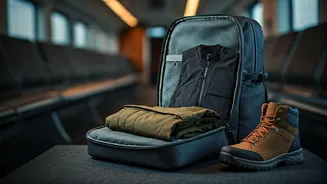
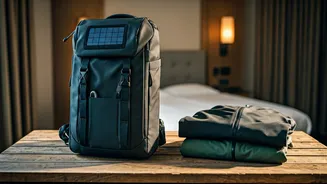
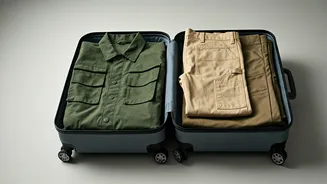
Peek inside a Gen Z traveler’s luggage, and you might be surprised. Where you’d expect to find an array of single-purpose vacation clothes, you’re now more likely to see a curated collection of gear that values function as much as form. We’re talking
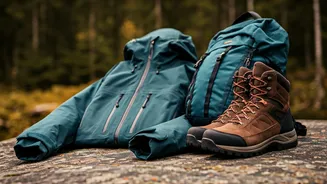
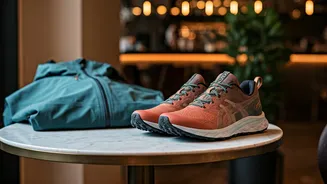
about cargo pants with ample pocket space, convertible hiking trousers that turn into shorts, waterproof technical shells from brands like Arc’teryx or The North Face, and chunky, trail-ready sneakers from Salomon or Hoka. This aesthetic, often dubbed “gorpcore” (a playful take on “Good Ol' Raisins and Peanuts,” the classic trail mix), borrows heavily from outdoor and workwear. It’s a look that says, “I’m ready for anything,” whether that’s a spontaneous mountain hike or navigating a new city’s public transit system.
Practicality Over Posing
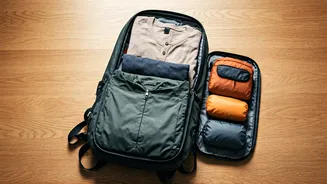
The primary driver behind this shift is a deep-seated pragmatism. For a generation navigating economic uncertainty while still craving rich travel experiences, every item in the suitcase needs to earn its place. A single waterproof jacket that works for a drizzly day in London, a windy hike in a national park, and as a light layer for a cool evening is infinitely more valuable than three separate, less-versatile pieces. This mindset extends to footwear, with comfortable, all-terrain shoes replacing multiple pairs of less practical options. It’s a minimalist approach born not out of a desire to have less, but a desire to do more. By packing versatile items that can handle various climates and activities, travelers free up space, reduce luggage weight, and eliminate the stress of being unprepared.
The Search for Authenticity
On a deeper level, the utility trend is a quiet rebellion against the hyper-curated, often-unattainable perfection of traditional travel influencing. The flawlessly polished Instagram feed of a traveler posing in a pristine white dress on a windy cliffside feels increasingly disconnected from reality. In its place, Gen Z is championing an aesthetic of authenticity. Wearing gear that is genuinely useful suggests a focus on the experience itself, not just on documenting it for social media. The scuffs on a pair of hiking boots tell a better story than a pristine pair of sandals that were only worn for a photo. This style telegraphs a readiness for adventure and a down-to-earth approach that resonates with a generation wary of anything that feels fake or performed.
Smarter Spending and Sustainability
This trend is also intrinsically linked to Gen Z’s values around sustainability and conscious consumption. The fast-fashion model—buying cheap, trendy outfits for a single trip and then discarding them—is falling out of favor. Young consumers are increasingly aware of the environmental and ethical costs of disposable clothing. Investing in a high-quality, durable piece of utility wear, even if it has a higher upfront cost, is seen as a smarter long-term decision. The concept of “cost-per-wear” is paramount. A $200 technical jacket worn hundreds of times over several years is a better value than a $30 coat that falls apart after one season. This mindset treats clothing as long-term gear rather than a fleeting accessory, aligning financial prudence with environmental responsibility.
From Niche to Mainstream
What started in niche outdoor communities has officially hit the mainstream, thanks in large part to social media platforms like TikTok. Hashtags like #gorpcore and #utilityfashion have billions of views, with creators showcasing how to style Carhartt pants or Patagonia fleeces for everyday life, not just for the trail. When celebrities like Bella Hadid and A$AP Rocky are photographed in technical gear, it solidifies the trend’s cultural cachet. This has created a feedback loop: as the aesthetic becomes more popular, more brands lean into it, making utility wear more accessible and stylish than ever before. The result is a travel wardrobe that’s no longer just for hardcore adventurers but for anyone who values resilience, versatility, and a style that’s built to last.