



Embrace the Desert's Dramatic Transformation
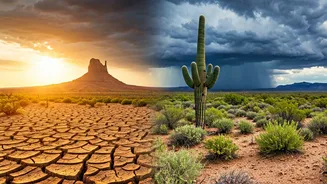
From late June through September, the North American Monsoon transforms the arid landscapes of Arizona, New Mexico, and parts of Utah and Colorado. This seasonal shift in wind patterns pulls moist, tropical air from the Pacific, resulting in spectacular
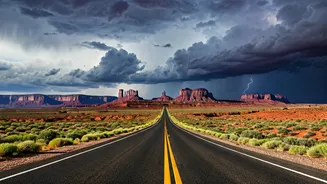
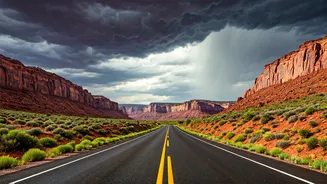
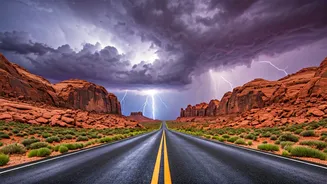
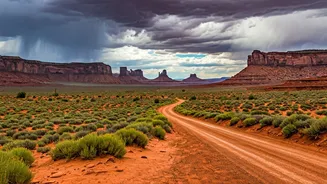
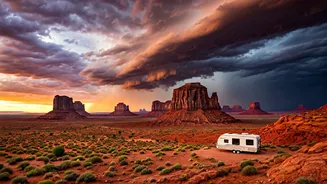
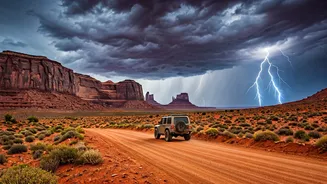
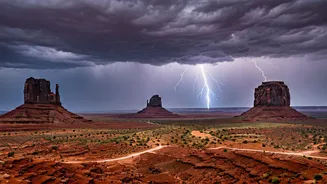
afternoon thunderstorms. For photographers and adventurous travelers, it’s a magical time. The sky becomes a canvas of towering cumulonimbus clouds, fractured by dramatic lightning. After a downpour, the ozone-rich air feels crisp and clean, the parched earth releases the intoxicating scent of creosote, and the desert palette shifts from dusty brown to vibrant green. A monsoon road trip isn't about chasing storms in a reckless way; it’s about positioning yourself to safely witness one of nature’s most impressive shows.
Prime Routes for Monsoon Views
Not all roads are created equal when it comes to monsoon viewing. The key is to find routes with expansive vistas and higher elevations that are less prone to impassable flooding. Arizona’s Sky Island Scenic Byway (State Route 336) outside Tucson is a prime example. As you climb Mount Lemmon, you ascend through multiple climate zones, offering different perspectives on the storms building over the valley below. In New Mexico, the High Road to Taos between Santa Fe and Taos provides stunning views of the Sangre de Cristo Mountains and vast plains where you can see storms rolling in from miles away. The key is to pick a destination, check the forecast religiously, and be prepared to stay put if conditions worsen. The adventure is in the patient observation, not the frantic pursuit.
The Non-Negotiable Safety Rules
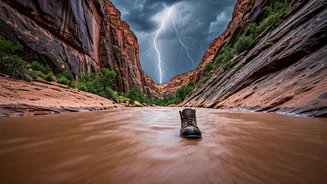
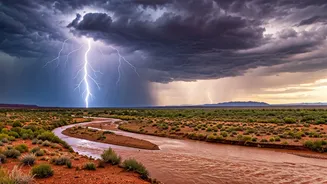
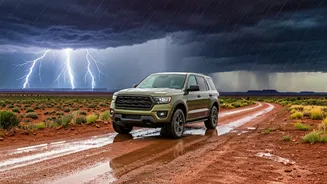
The raw power of a monsoon storm demands respect. Flash floods are the single greatest danger, and they can occur miles away from the actual rainfall. Water rushes through dry riverbeds, known as arroyos or washes, with incredible speed and force. The number one rule is the National Weather Service’s mantra: “Turn Around, Don’t Drown.” Never attempt to drive through a flooded roadway or a flowing wash. It’s impossible to judge the depth of the water or the condition of the road beneath it. A mere six inches of moving water can knock you off your feet, and a foot can sweep a vehicle away. If you encounter a flooded road, turn back and find an alternative route or wait for the water to recede, which can often happen quickly once the rain stops. Always have a plan B.
Gearing Up for the Drive
Your monsoon road trip toolkit should go beyond the standard snacks and playlists. Preparation is your best defense against getting stranded. Ensure your vehicle is in top condition, especially the tires, wipers, and brakes. Pack an emergency kit that includes extra water (at least one gallon per person, per day), non-perishable food, a first-aid kit, flashlights with extra batteries, and a portable power bank for your phone. Since cell service is often spotty in remote areas, download maps for offline use before you leave. A physical map or road atlas is an invaluable, battery-free backup. Finally, monitor weather alerts from a reliable source. A NOAA Weather Radio can provide critical warnings even when you don't have a cell signal.
Techniques for Driving in a Downpour
If you get caught in a heavy downpour, your driving strategy needs to change immediately. Slow down significantly to reduce the risk of hydroplaning. Increase your following distance to at least double the norm, as braking distances are much longer on wet pavement. Turn on your headlights to increase your visibility to other drivers. If the rain becomes so intense that you can't see the road edges or other vehicles, the safest move is to pull over as far off the road as possible, turn on your hazard lights, and wait for the storm to lessen. Avoid stopping under overpasses, which can become chokepoints, or near large trees that could lose limbs in high winds.