








The Data on Your Wrist
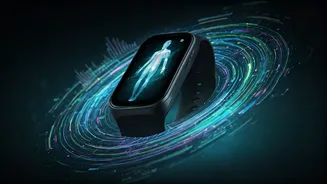
The first nail in the coffin of the generic meal plan is the device you’re probably wearing right now. Smartwatches and fitness trackers have moved beyond simply counting steps. Today’s wearables monitor heart rate variability, sleep quality, blood oxygen
levels, and even stress responses. This constant stream of personal biometric data provides a real-time picture of how your body responds to food, exercise, and daily life. Why follow a rigid 2,000-calorie plan when your watch can tell you that after a poor night’s sleep and a stressful morning, your body might need different fuel? The future of nutrition isn’t a static document; it’s a dynamic feedback loop between your body and your plate, informed by data that is uniquely yours. This level of insight makes a pre-printed, one-size-fits-all plan seem laughably imprecise.
Your Body Is Not a Template
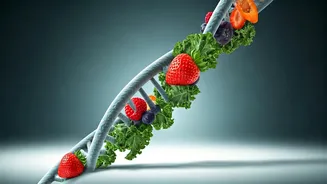
For decades, nutrition was based on averages. But the science of bio-individuality is proving that we are all outliers. The most significant driver of this shift is nutrigenomics—the study of how our specific genes affect our response to food. At-home DNA testing kits, once a novelty for discovering ancestry, now offer insights into how your body metabolizes fats, carbohydrates, and caffeine, or if you’re predisposed to certain vitamin deficiencies. Beyond genetics, there’s the burgeoning field of microbiome analysis. The trillions of bacteria in your gut influence everything from digestion to mood, and what fuels a healthy microbiome for one person might cause inflammation in another. This understanding dismantles the very foundation of generic dieting. If two people can eat the exact same muffin and have wildly different blood sugar responses, as studies have shown, then prescribing them the same meal plan is fundamentally flawed.
The AI-Powered Dietitian
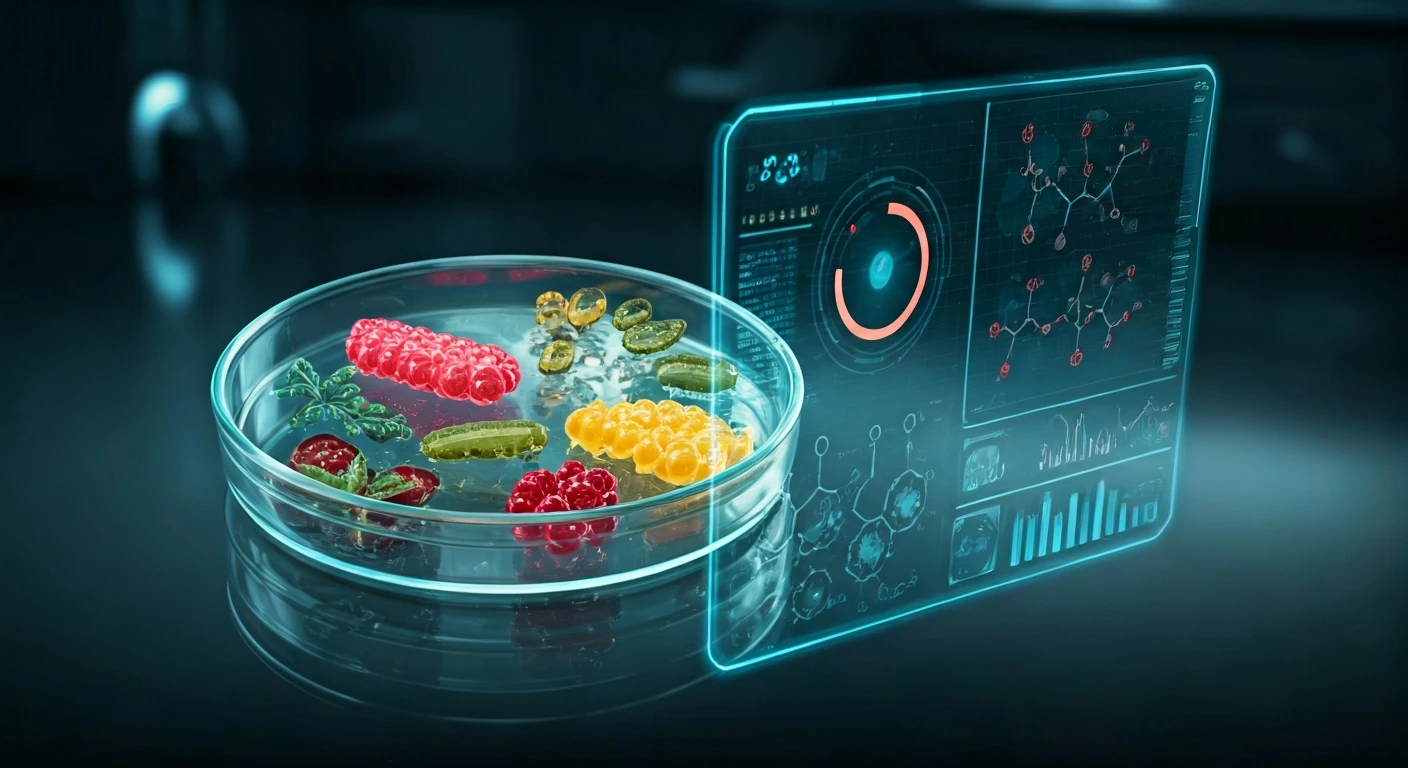
So you have your genetic predispositions and a flood of data from your wearable. What do you do with it all? This is where artificial intelligence steps in, acting as a personal, on-demand nutritionist. AI-powered apps are becoming increasingly sophisticated, capable of synthesizing your health data, dietary preferences, and even real-time glucose levels (from a continuous glucose monitor) to provide hyper-personalized suggestions. Instead of a weekly plan, you might get a daily prompt: “Your sleep was fragmented last night; prioritize magnesium-rich foods like spinach and almonds today.” Or, “Your blood sugar spiked after your usual breakfast; try adding more protein tomorrow.” This isn't about replacing human experts but augmenting their advice, making personalized nutrition accessible and actionable for millions, 24/7. AI can analyze patterns a human might miss, turning a mountain of data into a simple, helpful suggestion.
Beyond Calories and Restriction
Perhaps the most profound shift is a cultural one. We are collectively moving away from the restrictive, often punitive, mindset of traditional dieting. The conversation has evolved from “weight loss” to “holistic wellness,” incorporating mental health, intuitive eating, and body respect. Generic meal plans often reinforce a toxic all-or-nothing mentality, categorizing foods as “good” or “bad” and promoting cycles of restriction and guilt. The new paradigm focuses on adding nourishment rather than taking things away. It encourages listening to your body’s hunger and satiety cues—a skill that rigid meal plans actively discourage. In this context, a generic plan feels not just outdated, but out of touch with the modern understanding that a healthy relationship with food is just as important as the nutrients on your plate.