


The Ghost of Low-Fat Past
If you grew up in the '80s or '90s, you remember the era of fat-phobia. Prompted by early studies linking saturated fat to heart disease, the food industry and public health messaging launched an all-out war on dietary fat. Supermarket aisles swelled
with products proudly labeled "99% Fat-Free." The problem? When food manufacturers removed fat, they had to replace it with something else to make the food palatable. That something was often sugar, refined carbohydrates, and a cocktail of artificial ingredients. We swapped out the fat in our cookies and dressings but loaded up on sugary sodas, white bread, and processed snacks. The result wasn't a healthier America. Instead, rates of obesity and type 2 diabetes continued to climb, prompting scientists to reconsider if fat was the true enemy after all.
Not All Fats Are Created Equal
The pivotal shift in our understanding is the realization that 'fat' isn't one single nutrient. It’s a diverse family of compounds, each with a different effect on the body. Think of it like this: you wouldn't group a house cat and a tiger in the same category just because they're both felines. The same goes for fats. On one end, you have artificial trans fats, the undisputed villain created through an industrial process called hydrogenation. These are found in some processed foods and are so damaging that the FDA has taken steps to remove them from the food supply. Then there’s saturated fat, found in red meat, butter, and full-fat dairy. Its role is more complex; while excessive amounts are still linked to higher cholesterol, moderate intake as part of a balanced diet is no longer seen as the primary driver of heart disease for most people. The real heroes of the story are unsaturated fats—both monounsaturated and polyunsaturated—which are proving to be essential for our health.
The Rise of 'Good' Fats
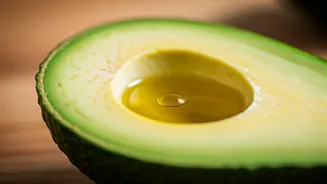
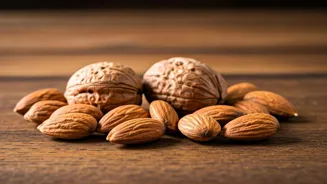
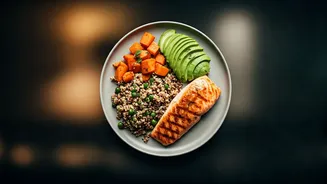
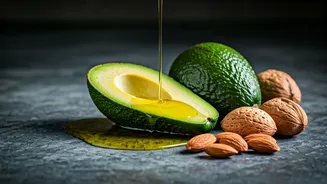
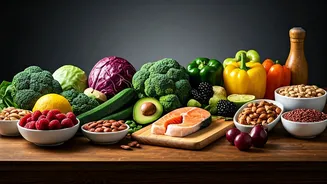
So, which fats are making a comeback? The natural, unsaturated ones. Monounsaturated fats, found in olive oil, avocados, and nuts like almonds and cashews, are celebrated for their ability to help lower 'bad' LDL cholesterol and raise 'good' HDL cholesterol. Polyunsaturated fats are another powerhouse group. This category includes the famous omega-3 and omega-6 fatty acids. Omega-3s, abundant in fatty fish like salmon, mackerel, and sardines, as well as in flaxseeds and walnuts, are critical for brain health and fighting inflammation throughout the body. The American Heart Association recommends eating fish at least twice a week for this very reason. These 'good' fats do more than just manage cholesterol; they are vital for absorbing certain vitamins (A, D, E, and K are fat-soluble), building healthy cell membranes, and keeping you feeling full and satisfied after a meal, which can prevent overeating.
How to Embrace the Balance
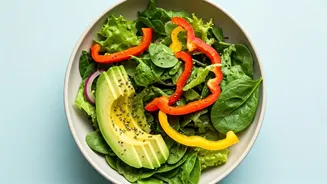
Putting this new wisdom into practice doesn't require a radical diet overhaul. It's about making smart, simple swaps. Instead of slathering butter on your toast, try smashing a quarter of an avocado on it. Drizzle your salads with olive oil-based vinaigrette instead of a creamy, sugar-laden dressing. Snack on a handful of almonds instead of a bag of fat-free pretzels. The goal is no longer to avoid fat but to prioritize its source. A doughnut and an avocado might have a similar amount of fat, but their nutritional impact is worlds apart. One offers empty calories and processed ingredients, while the other provides fiber, potassium, and heart-healthy monounsaturated fats. By focusing on whole, unprocessed foods, you’ll naturally increase your intake of beneficial fats while crowding out the unhealthy ones. This balanced approach is less about restriction and more about nourishment.