





Going Beyond the Hike with Forest Bathing
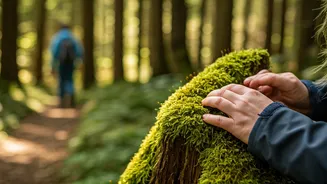
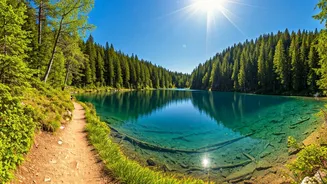
Forget crushing miles and hitting peak heart rates. The trend of *shinrin-yoku*, or forest bathing, is about slowing down and soaking in the atmosphere of the woods. Originating in Japan in the 1980s as a response to tech-boom burnout, this practice isn't
about exercise; it's about sensory immersion. Practitioners are encouraged to walk slowly, breathe deeply, and engage all five senses: listen to the birdsong, feel the texture of bark, smell the damp earth, and see the way sunlight filters through the canopy. Studies have pointed to real-world benefits, including reduced stress, lower blood pressure, and improved mood. It reframes a walk in the park from a physical task to a meditative experience, offering a powerful antidote to our screen-saturated lives.
Becoming a Citizen Scientist
For many, a nature walk now comes with a sense of purpose beyond personal enjoyment. With apps like iNaturalist and eBird, any amateur enthusiast can become a valuable contributor to scientific research. By simply snapping a photo of a mushroom, recording a bird call, or identifying a wildflower, you’re providing real-time data that helps scientists track species migration, monitor biodiversity, and understand the effects of climate change. This transforms a casual stroll into a micro-mission. Instead of just seeing a cool-looking bird, you can identify it, log the sighting, and know you’ve contributed to a global database used by conservationists. It adds an intellectual and altruistic layer to outdoor exploration that people are finding deeply rewarding.
Seeking Solitude in Lesser-Known Lands
America’s most famous national parks, like Yellowstone and Zion, are more popular than ever—and the crowds prove it. In response, a growing number of nature lovers are intentionally looking elsewhere. They’re exploring the vast, often-overlooked landscapes of national forests, Bureau of Land Management (BLM) areas, and state parks. These places offer a different kind of beauty—quieter, less curated, and with a powerful sense of solitude. The appeal is escaping the reservation systems, selfie lines, and crowded trails for a more rugged and personal encounter with nature. It's a shift from 'seeing the sights' to simply 'being in a place,' and it reflects a desire for authenticity over spectacle.
Rewilding the American Yard
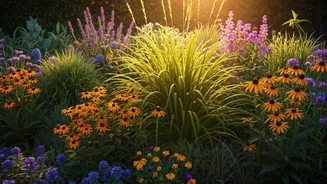
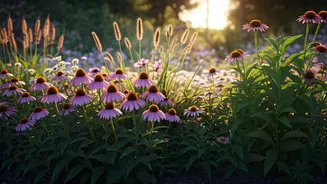
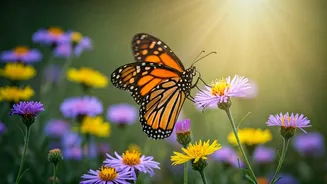
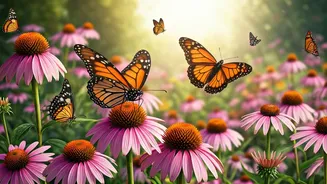
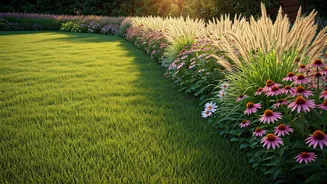
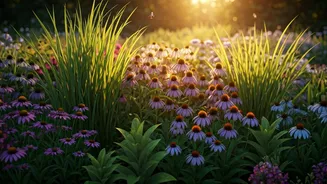
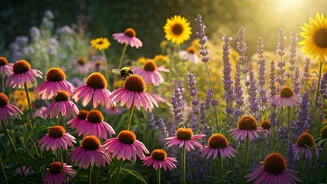
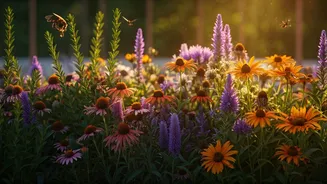
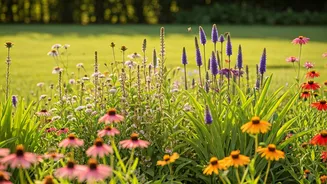
The passion for nature is coming home—literally. A significant movement is underway to 'rewild' the classic American lawn. Instead of pristine, monoculture grass that offers little ecological value, homeowners are opting for native plants, wildflowers, and grasses that support local pollinators like bees and butterflies. This approach to gardening is less about aesthetics and more about ecosystem restoration. It creates a mini-sanctuary that brings biodiversity to the doorstep, reduces the need for pesticides and excessive watering, and provides a daily connection to the local environment. It’s a way to participate in conservation without leaving your property, turning a patch of green into a living, breathing habitat.
Chasing the Stars with Astrotourism
Some of nature's most spectacular shows happen after the sun goes down. With light pollution obscuring the night sky for more than 80% of Americans, traveling to see the stars has become a booming form of tourism. People are seeking out designated 'Dark Sky Parks' and remote locations for a chance to witness the Milky Way in its full, unobscured glory. This isn't just about stargazing; it’s a profound experience that connects us to the vastness of the universe. From organized meteor shower viewing parties to night-sky photography workshops, astrotourism taps into a primal sense of wonder that has been lost in modern urban life, reminding us of a natural world that extends far beyond our own planet.