





What Is Customized Pet Food?
Forget the giant, dusty bags of brown pellets. The new wave of pet food is all about fresh, human-grade ingredients tailored specifically to your animal's needs. Companies like The Farmer's Dog, Nom Nom, and Ollie are leading a movement away from one-size-fits-all
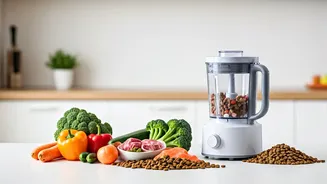
kibble and toward a model that looks a lot like a human meal-kit service. At its core, customized pet food involves creating a detailed profile of your pet—including their breed, age, weight, activity level, and any health issues like allergies or sensitive stomachs. Based on this data, the service formulates meals with specific caloric and nutritional targets, cooks them using whole ingredients like turkey, beef, carrots, and peas, and then ships pre-portioned packs to your doorstep on a subscription basis. The goal is to replace highly processed foods with meals that are closer to what you might cook at home, but with the convenience and scientific backing of a dedicated service.
The 'Humanization' of Pet Care
This trend didn't appear in a vacuum. It's a direct result of what industry experts call the “humanization” of pets. For a growing number of Americans, particularly millennials and Gen Z, pets aren't just animals; they're cherished family members, or “fur babies.” This emotional shift has completely changed spending habits. We buy them orthopedic beds, track their activity with smart collars, and worry about their mental well-being. It was only a matter of time before that focus turned to their diet. We scrutinize ingredient labels for our own food, avoiding preservatives and artificial additives, so it feels natural to apply the same logic to what we feed our companions. The rise of wellness culture, personalized nutrition, and direct-to-consumer subscription models created the perfect environment for customized pet food to thrive. It taps directly into a pet owner's desire to provide the absolute best for a loved one who can't choose for themselves.
How the Process Typically Works
Getting started is surprisingly simple and happens almost entirely online. The first step is always a detailed quiz. You'll answer questions about your dog or cat, covering everything from their ideal body condition to whether they're spayed or neutered. You’ll list any known health concerns, from itchy skin to digestive upset. An algorithm then uses this information to recommend a specific recipe and portion size. Some services even allow for further customization, letting you exclude certain ingredients your pet dislikes or is allergic to. Once you sign up, you receive a trial box with a few weeks' worth of food, often frozen to maintain freshness. The meals are individually portioned for each day, taking the guesswork out of feeding time. The service then continues on a recurring subscription, which you can typically adjust, pause, or cancel as needed. It's designed for maximum convenience, aiming to make feeding fresh food as easy as scooping kibble.
The Claims vs. The Reality
Proponents of fresh, customized diets often point to a host of anecdotal benefits: shinier coats, higher energy levels, better digestion, and relief from allergies. The logic is that minimally processed, human-grade ingredients are more bioavailable and easier for a pet’s system to handle than the fillers and preservatives found in some mass-market kibbles. However, it's important to approach these claims with a critical eye. While many pets do thrive on these diets, the traditional pet food industry argues that high-quality kibble is also nutritionally complete and backed by decades of research. Most veterinarians agree that the primary benefit comes from controlled portions and high-quality, digestible ingredients, whether fresh or in premium kibble. The American Veterinary Medical Association (AVMA) notes the importance of ensuring any diet, commercial or home-prepared, is complete and balanced. The biggest, verifiable win of these services is often portion control—a major factor in combating pet obesity.
What to Consider Before You Switch
This wellness upgrade comes with a few key considerations. The most significant is cost. Fresh, customized pet food is considerably more expensive than even premium kibble, potentially running into hundreds of dollars per month for a large dog. Second is logistics. While convenient, the subscription model requires freezer space to store the food and a routine for thawing meals. Finally, and most importantly, it's wise to talk to your veterinarian before making a major dietary change. They can help you assess whether a fresh food diet is appropriate for your pet's specific health needs and may be able to point you toward brands that consult with board-certified veterinary nutritionists, adding an extra layer of trust and scientific rigor to their formulas.