

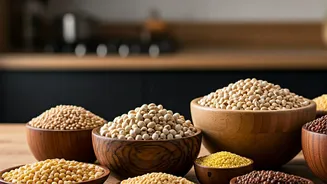
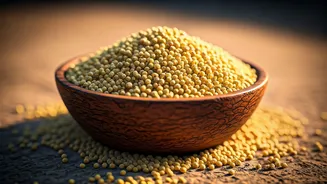


First Off, What Even Is Millet?
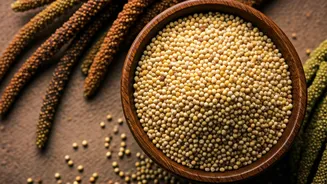
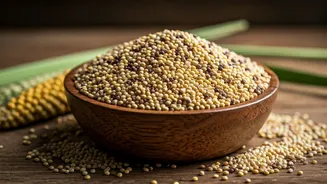
Let’s clear this up: millet isn't one single grain. It’s a group of small-seeded grasses that have been cultivated for over 7,000 years, making most other “ancient grains” look like trendy upstarts. While you might associate it with birdseed—and yes,
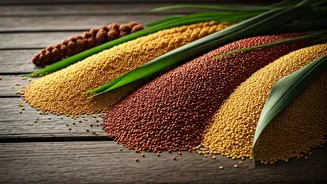
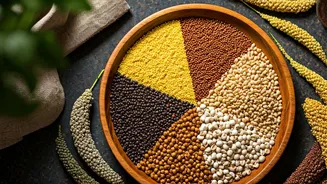
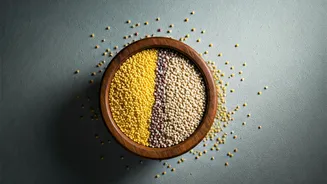
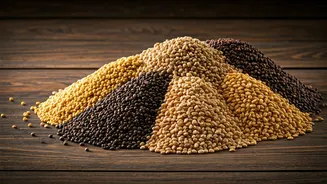
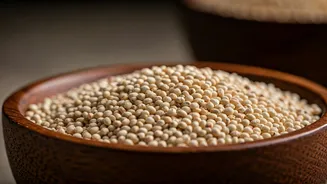
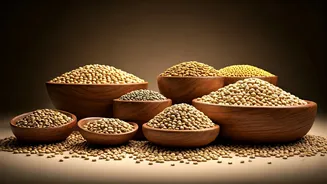
birds love it—the varieties grown for human consumption are culinary powerhouses. The most common type you’ll find in American grocery stores is pearl millet, but the family includes sorghum (a staple in the American South), fonio, teff (the foundation of Ethiopian injera bread), and foxtail millet. Unlike wheat or rice, millets are gluten-free, making them an immediate star for a growing segment of the population. But their real appeal lies in their chameleon-like texture. Depending on how you cook it, millet can be fluffy and separate like couscous, creamy and comforting like polenta, or even crunchy when toasted. This versatility is a big reason chefs and adventurous home cooks are embracing it.
The 'Climate-Smart' Superpower
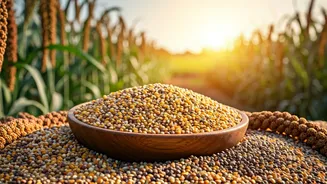
Here's where the story gets bigger than your dinner plate. The “climate-smart” label isn’t just marketing fluff. Millets are incredibly resilient and have been nicknamed “crops of the future” by agricultural scientists. They are exceptionally drought-tolerant, capable of growing in arid conditions with minimal water. In a world of increasing water scarcity, a grain that doesn’t demand much irrigation is a game-changer. Furthermore, they have a short growing season (some varieties mature in as little as 60 days) and can thrive in poor soil without the need for heavy chemical fertilizers. This reduces the carbon footprint associated with their cultivation. While other crops require carefully managed, resource-intensive environments, millets are tough, adaptable survivors. The United Nations even designated 2023 as the “International Year of Millets” to promote their potential to provide nutritious food and support smallholder farmers in the face of climate change. In short, eating millet is one of the easiest, most delicious ways to support a more sustainable food system.
From Ancient Staple to Modern Menu
The word “again” in the headline is doing a lot of work. For millennia, millets were a primary food source for vast populations across Africa and Asia. They were the foundation of diets long before rice and wheat became globally dominant. In many ways, their current resurgence in the West is a rediscovery of a food that never really went away, it just wasn't on our radar. So why now? The trend is a perfect storm of factors. First, the gluten-free movement opened the door for alternative grains. Then came the quinoa craze, which made Americans comfortable with the idea of cooking with unfamiliar seeds. Now, with a greater focus on sustainability and global flavors, millet’s time has come. Chefs in innovative restaurants are using it as a base for grain bowls, a creamy side dish instead of risotto, or popping it like corn for a crunchy topping. This fine-dining visibility signals to home cooks that millet is not just a humble pantry staple but a canvas for culinary creativity.
How to Get Started with Millets
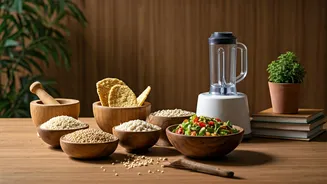
Intrigued? Good. Getting started is simple. You can find pearled millet in the bulk bins or grain aisle of most well-stocked grocery stores, health food stores, and online. The basic cooking method is similar to rice: use a 2:1 ratio of liquid (water or broth) to grain. Bring the liquid to a boil, add the millet, reduce the heat to a simmer, cover, and cook for about 15-20 minutes, or until the water is absorbed. For a fluffy texture perfect for salads or grain bowls, let it sit, covered, off the heat for 10 minutes and then fluff with a fork. For a creamier, porridge-like consistency, add a little more liquid and stir frequently, just as you would with oatmeal or polenta. It has a mild, slightly nutty, and sweet flavor that pairs well with almost anything—roasted vegetables, savory stews, or a simple drizzle of honey and a sprinkle of cinnamon for a hearty breakfast.